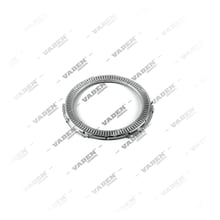
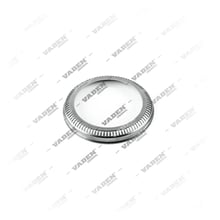
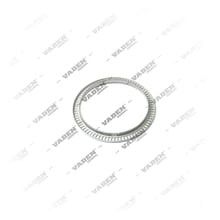
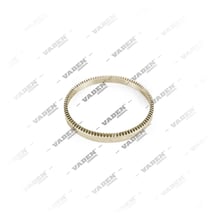
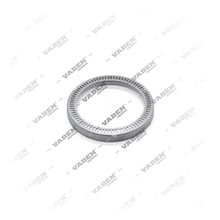
What Is an ABS Sensor?
An ABS sensor (Anti-lock Braking System wheel speed sensor, also called a wheel speed sensor) is a safety component of the brake system. Mounted on each wheel, it tracks rotation speed continuously and passes that data to the ABS control unit, so that the wheels do not lock up and the driver does not lose control under braking. When a wheel begins to slip, the ABS system engages and adjusts brake pressure so the wheel does not lock. On heavy commercial vehicles, above all during high-speed transit and emergency stops, stability and grip on the road depend on this sensor. It is widely compatible with Mercedes-Benz, MAN, Scania, Volvo, DAF, Iveco, Renault, and BMC trucks, tractors, and buses, and it integrates with Wabco and Knorr-Bremse brake systems.
Functions of the ABS Sensor
At every wheel the ABS sensor measures rotation speed continuously, which lets the system judge how fast the vehicle is moving and how great the risk of slip is. The ABS module analyzes these signals and uses them to stop the wheels locking during braking. In an emergency stop that means braking without skidding, and on a heavy vehicle this matters particularly, because it lets the driver keep directional control. The same data lets braking adapt to road conditions. On wet, snowy, or slippery roads wheel slip is reduced, the stopping distance gets shorter, and the vehicle is safer. The sensor also works in conjunction with the Electronic Stability Program (ESP) and the Traction Control System (TCS) to get as much grip and handling performance as possible.
ABS Sensor Technical Specifications
| Specification | Details |
|---|
| Part name | ABS Sensor / Wheel Speed Sensor |
| System | Brake System – Anti-lock Braking (ABS) |
| Function | Measure wheel rotation speed and transmit to ABS control unit |
| Operating principle | Detect wheel speed and convert to electrical signal |
| Connection | Wired connector for signal transmission to ABS module |
| Compatible systems | ABS, ESP, TCS (traction control) brake systems |
| Vehicle class | Heavy commercial trucks, tractors, buses, and trailers |
| OEM brake system compatibility | Wabco and Knorr-Bremse ABS systems |
| Product range | 36 different ABS sensor references available in this category |
ABS Sensor Types and Related Components
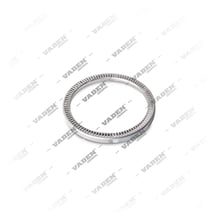
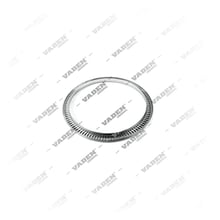
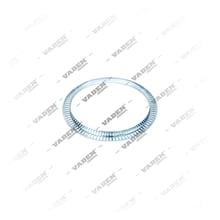
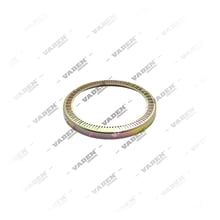
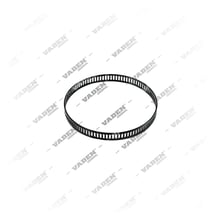
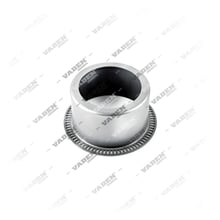
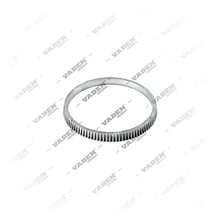
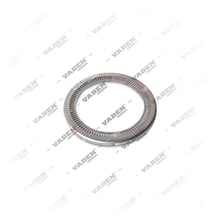
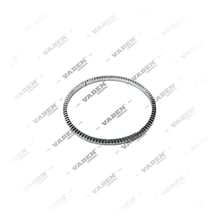
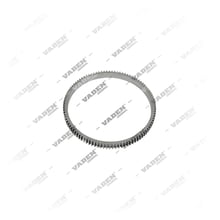
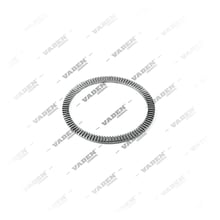
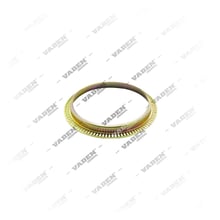
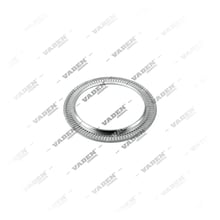
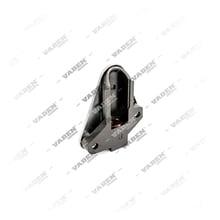
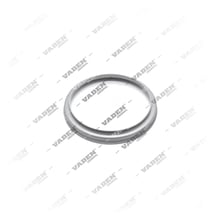
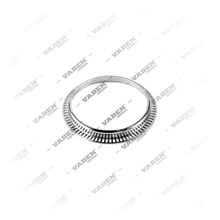
ABS sensors come in passive and active designs. The passive, or inductive, ABS sensor picks up rotation speed through magnetic reluctance at the tone ring; it is the traditional design and is used in many existing systems. The active ABS sensor relies on electronic circuitry and measures precisely even at low speeds, and it is the preferred choice for modern heavy commercial vehicles. Housings come in straight and angled (90°, right-angle) versions with varying cable lengths to suit different mounting positions. The sensor works together with a sensor guide (sensor bore guide), a wiring harness, and a connector, while its data is processed by the ABS electronic control unit and the ABS relay valve to modulate braking force.
ABS Sensor Maintenance and Care
Look the sensor over regularly for cracks, breaks, or other damage to the housing. Wiring and connector get the same treatment. The cables should be free of corrosion and damage, and cleaning the sensor terminals periodically keeps the signal from being lost. Make sure the cable and connector attachments are tight, with no sign of loosening or corrosion, and from time to time verify signal integrity between the sensor and the ABS control unit. The sensor itself is replaced at the manufacturer's service intervals, following the OEM recommended mileage, so the system stays dependable. For any replacement, use OEM parts and always choose a genuine VADEN ORIGINAL sensor over an aftermarket alternative, for precision and durability.
Common ABS Sensor Faults and Solutions
When a sensor fails, it triggers the ABS warning light on the dashboard; check the sensor and the wiring connections, and replace the faulty sensor as needed. Braking performance can drop as well. The vehicle may skid, or the ABS may not engage under hard braking, and here the sensor signal and its compatibility with the ABS module should be tested. A faulty sensor may also report the wrong wheel speed, in which case clean the sensor surface and the tone ring, and replace the sensor if it is damaged. Vibration or an unusual noise while the ABS is engaged may point to sensor misalignment, so check the mounting and how secure the cable is. In the wiring or connector, corroded or damaged cables cause signal loss; clean the connections and replace a damaged harness with an OEM equivalent.
Why Choose VADEN ORIGINAL ABS Sensor?
VADEN ORIGINAL ABS sensors offer superior sensing accuracy. Their high-precision measurement picks up wheel speed dependably, so braking stays safe and responsive. They are built for heavy-duty service, with a sturdy construction that withstands harsh road and weather conditions and delivers a long service life. Full compatibility with ABS and ESP means they integrate smoothly with modern safety systems for the best possible vehicle control. Precise operation cuts unplanned downtime and gives dependable braking performance, which means lower maintenance cost and higher safety. With 36 ABS sensor variants in the range, there is a right fit for every heavy commercial vehicle application.
Frequently Asked Questions (FAQ)
What is an ABS sensor and what does it do?
An ABS sensor is the wheel speed sensor of the anti-lock braking system. It measures wheel rotation continuously and sends the data to the ABS control unit, which is how it prevents wheel lock-up under braking. That keeps the vehicle stable and prevents skidding on all road surfaces.
What are the symptoms of a faulty ABS sensor?
Common signs include the ABS warning light illuminating on the dashboard, weaker braking performance, the vehicle skidding when the brakes are applied, inaccurate speed readings, or unusual vibration and noise when the ABS engages.
Can I drive safely with a faulty ABS sensor?
A faulty ABS sensor can make the ABS system malfunction, and the risk of wheel lock-up during emergency braking then goes up. For safety, have the sensor replaced with an OEM-compatible sensor as soon as possible.
How do I maintain and clean an ABS sensor?
Inspect the sensor body regularly for cracks and make sure the cable and connector are secure. Clean any corroded terminals and test signal integrity with the ABS module. When the manufacturer-recommended service interval comes up, replace the sensor, and always fit genuine parts.
What is the difference between passive and active ABS sensors?
A passive (inductive) sensor detects speed through magnetic reluctance, and its accuracy at low speed is limited. An active sensor uses electronics and measures precisely at any speed; it is the preferred type on modern heavy commercial vehicles.
Which vehicles is VADEN ORIGINAL ABS sensor compatible with?
VADEN ORIGINAL ABS sensors are compatible with Mercedes-Benz, MAN, Scania, Volvo, DAF, Iveco, Renault, and BMC heavy trucks, tractors, and buses equipped with Wabco or Knorr-Bremse brake systems.
Conclusion
The ABS sensor is the part that keeps the wheels from locking up, and it keeps braking safe on heavy commercial vehicles. How dependable the whole braking system is depends on regular maintenance and on replacing the sensor in good time with genuine, compatible parts. VADEN ORIGINAL ABS sensors are engineered to deliver accurate speed detection and long-term performance in demanding applications. Choosing original quality means safer roads and vehicle control you can count on.
Related technical guide: ABS Wheel Speed Sensor & ECU · Download PDF
Related articles: ABS Sensor Failure Symptoms and How to Check It
Related technical guide: ABS Wheel Speed Sensor & ECU: Faults, Replacement & Care
Related technical guide: ABS Brake System: How It Works, Warning Light and Faults