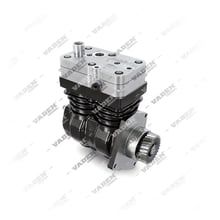
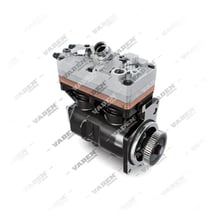
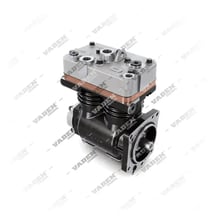
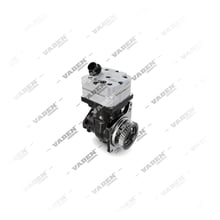
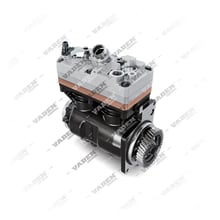
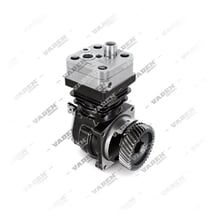
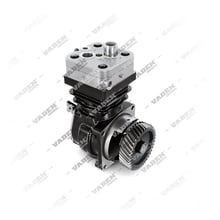
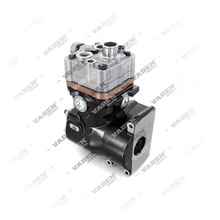
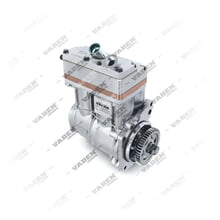
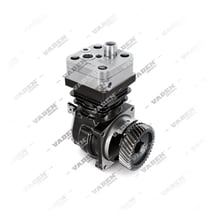
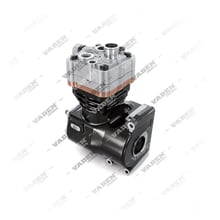
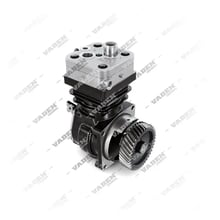
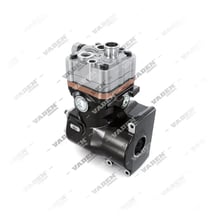
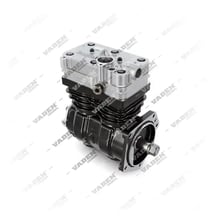
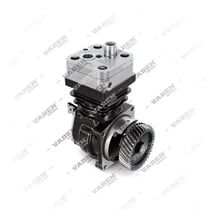
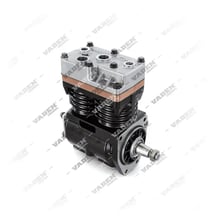
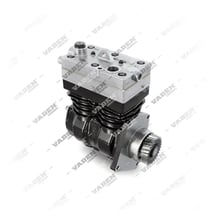
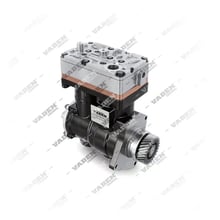
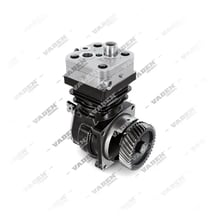
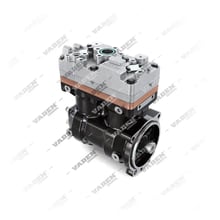
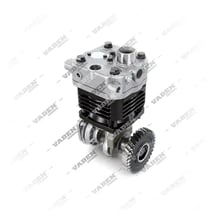
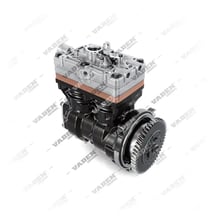
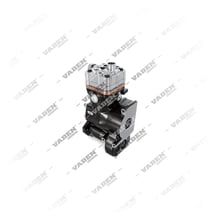
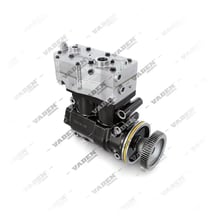
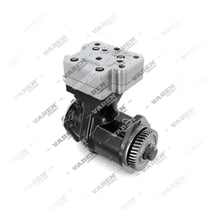
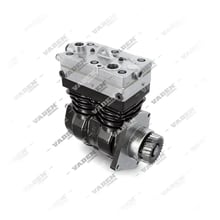
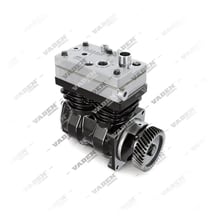
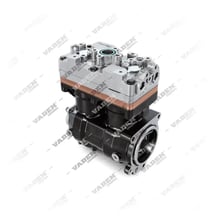
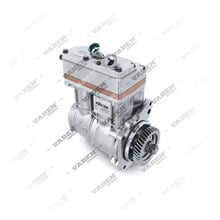
What Is an Air Compressor?
In a heavy vehicle brake system, the air brake compressor is the component whose job is to generate compressed air pressure for braking. Driven by engine power, it draws in atmospheric air, compresses it and delivers the pressurized air to the brake system, where it supplies the force needed to slow the vehicle down and stop it safely. Through the brake bellows and valves, that compressed air engages the wheel brakes, allowing the vehicle to slow down and stop effectively and safely. On large commercial vehicles such as trucks, buses and trailers, vehicle safety depends on this air compressor spare part.
Functions of the Air Compressor
The compressor builds brake pressure by using engine power to compress atmospheric air, producing the pressure the brake system requires. It also supplies the air tank and holds it under continuous pressure, so the brake system keeps operating at its best performance level. The same pressurized air is delivered through the brake bellows and valves to the wheel brakes, which it activates.
For the driver, the result is braking that stays consistent. Keeping that performance steady prevents extended stopping distances and reduces safety risks.
Air Compressor Technical Specifications
| Feature | Description |
|---|
| Function | Produces compressed air pressure for brake system operation |
| Power Source | Engine-driven |
| Cylinder Configuration | Single-cylinder or dual-cylinder designs |
| Cooling Type | Air-cooled or water-cooled |
| Drive Mechanism | Clutched (engaged/disengaged) or continuous-drive designs |
| Housing Material | High-strength durable alloy construction |
| Application | Heavy commercial vehicles: trucks, buses, and trailers |
| OEM Compatibility | Mercedes-Benz, MAN, Scania, Volvo, DAF, Iveco, Renault, and others |
Air Compressor Types and Variants
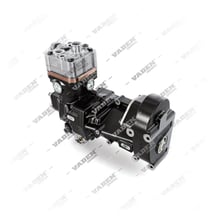
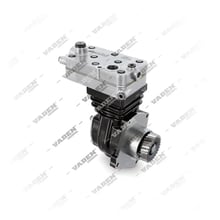
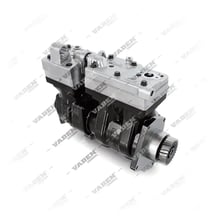
Compressors differ in cylinder count. Single-cylinder compressors are used in smaller heavy vehicles and preferred for their simple design and lower cost. Dual-cylinder compressors suit larger vehicles and high-pressure systems, with superior performance and higher air output.
Cooling is another split. Water-cooled compressors are made for heavy-duty applications, where they prevent overheating; they are long-lasting and dependable. Air-cooled compressors, common in small and medium vehicles, are cooled by airflow with no additional cooling system required.
Clutched compressors have a clutch system that disengages the compressor from the engine when not in use, reducing unnecessary fuel consumption and improving efficiency; they are preferred in modern heavy-duty vehicles. In piston and ring assemblies, long-life designs minimize wear, preserving compressor efficiency and extending service life.
Air Compressor Maintenance and Inspection
A clogged air filter reduces compressor performance, so the filter should be cleaned and replaced regularly. Keep the oil at the correct level as well, which lets the compressor run at its best and last longer. The system should be inspected periodically for air leaks, and on water-cooled models the coolant level and condition need to be checked on a regular basis.
Always install OEM-quality components from brands like VADEN ORIGINAL, so that braking performance stays dependable.
Common Air Compressor Issues and Solutions
When a vehicle shows low air pressure, the cause is usually a clogged air filter or worn pistons and rings. Replace the filter and inspect the compressor, keeping in mind that reduced pressure leads to longer stopping distances. Excessive oil consumption is caused by worn rings or damaged seals, and the repair is either a seal kit or a replacement compressor.
Overheating results from a cooling system failure or from continuous operation. Inspect the cooling components, and consider switching to a clutched compressor. Noise and vibration are often down to worn bearings or piston wear; the fix there is to install genuine OEM components with solid construction and a balanced design. Air leaks come from worn seals and loose connections, so perform leak tests and replace the damaged seals and fittings.
Why Choose VADEN ORIGINAL Air Compressors?
VADEN ORIGINAL air compressors are manufactured to strict international standards and deliver OEM-level reliability and performance. They are built from high-strength alloys so they can withstand heavy loads and demanding road conditions. In service they give a powerful air pressure output and run quietly, which makes for energy-saving, trouble-free operation.
Extended-life piston and ring designs keep maintenance needs to a minimum and reduce repair expenses. As for fitment, the compressors are engineered to fit Mercedes-Benz, MAN, Scania, Volvo, DAF, Iveco, Renault and other leading commercial vehicle brands.
Frequently Asked Questions (FAQ)
What does an air compressor do in a vehicle's brake system?
The air compressor takes power from the engine, compresses atmospheric air and sends it to the brake system, giving the brakes the pressure they need for safe braking. With that pressure available, trucks, buses and trailers can brake dependably and stop effectively.
What happens when an air compressor fails?
If the air compressor fails, the air tank no longer receives adequate pressure, and the brake system cannot operate at full capacity. Braking performance degrades, stopping distances grow longer and the safety of the vehicle is compromised.
What is the difference between single-cylinder and dual-cylinder compressors?
A single-cylinder compressor is the type used on smaller vehicles; its design is simple and it costs less. The dual-cylinder version is intended for larger vehicles and high-pressure applications, and it delivers superior performance along with a higher air output.
Should I choose a water-cooled or air-cooled compressor?
For heavy-duty applications, water-cooled compressors are preferred because they prevent overheating, and they are long-lasting. Air-cooled compressors are common on small and medium vehicles and need no additional cooling system.
How do I maintain an air compressor?
Clean and replace the air filter, check the oil level and carry out air leak tests on a regular basis; on water-cooled models the cooling system needs inspecting too, and genuine OEM parts should be used. Kept up, these steps give a long service life and dependable performance.
What vehicles use air brake compressors?
An air brake compressor is standard equipment on heavy commercial vehicles, trucks, buses and trailers among them. VADEN ORIGINAL compressors are compatible with Mercedes-Benz, MAN, Scania, Volvo, DAF, Iveco and Renault vehicles.
Conclusion
Safe braking on a heavy vehicle rests on the air compressor, one of the most important components in its brake system. For a safe drive, two things matter here: regular maintenance and picking a product of the right quality. VADEN ORIGINAL air compressors bring proven quality, durability and performance, and they are dependable solutions trusted in the commercial vehicle industry. Choose VADEN ORIGINAL for superior braking safety and peace of mind.
Related technical guide: Air Brake Compressor · Download PDF
Related articles: Truck Air Compressor by Engine & Make: DD15, Cummins, PACCAR, Mack & More · Choosing an Air Brake Compressor Manufacturer · Air Compressor Failure Symptoms: No Air Pressure or Compressor Pumping Oil
Related technical guide: Truck Air Compressor Overhaul Kit: Head, Valve Plate, Gasket