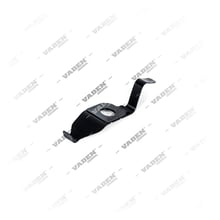
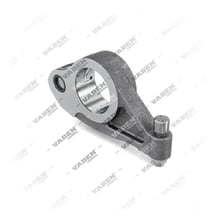
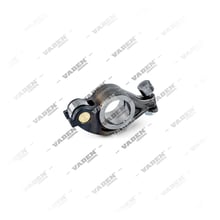
What Is a Rocker Swing Arms?
A rocker arm, also called a valve rocker or rocker swing arm, is a mechanical part in the valvetrain of a heavy-duty diesel engine. It takes the motion of the camshaft and passes it to the intake and exhaust valves, and that is what controls exactly when each valve opens and when it closes. Pivoting on the rocker shaft, the arm governs how the air-fuel mixture comes into the cylinder and how the exhaust gases are released. In truck, tractor unit, bus and heavy equipment diesel engines, a worn or faulty rocker arm shows itself as rough running, higher fuel consumption and a noticeable drop in engine power.
What Does a Rocker Swing Arms Do?
The rocker swing arm picks up the motion of the camshaft and passes it to the valves, and through them it controls the airflow and fuel delivery into the cylinder. Valve opening and closing are kept precisely in step with the profile of the camshaft lobe. With the valves opening and closing at the correct timing, engine performance improves and overall engine efficiency goes up.
The arm also supports fuel economy by delivering the air-fuel mixture at the right time and in the right amount, which helps optimize fuel consumption. Its balanced mechanical design keeps running vibration and valvetrain noise to a minimum.
Rocker Swing Arms Specifications
| Specification | Description |
|---|
| Part Group | Engine / Valvetrain (Rocker Arm Assembly) |
| Material | High-strength forged or cast steel |
| Operating Principle | Transfers pivoting motion from the camshaft to the valves |
| Application | Truck, tractor unit, bus, and heavy equipment diesel engines |
| Compatible Brands (examples) | Mercedes-Benz, MAN, Scania, Volvo, DAF, Iveco, Renault, BMC, Ford Trucks |
| Recommended Inspection Interval | Every 100,000-150,000 km on average |
| Manufacturer | VADEN ORIGINAL |
Rocker Swing Arms Types and Related Parts
A fixed rocker arm pivots on a fixed axis on the rocker shaft and transfers motion directly to the valve. An adjustable rocker arm has a threaded adjuster tip, which allows precise valve lash (clearance) adjustment.
The arm pivots on the rocker shaft and bushings, the support shaft and bushing set mounted to the cylinder head. The pushrod is the linkage that carries motion from the camshaft up to the rocker arm, while the valve and valve spring are the components the rocker arm actuates to control intake and exhaust flow.
Rocker Swing Arms Maintenance
Check the rocker arms periodically for wear, cracking or looseness at the pivot and contact points. The moving contact surfaces have to stay properly lubricated, since good lubrication reduces friction and prevents premature wear. Rocker arm and valve clearance should be adjusted on schedule to maintain correct valve timing.
A worn or damaged rocker arm should be replaced promptly to avoid further damage in the valvetrain. When you do replace one, use genuine parts and choose a trusted spare parts brand such as VADEN ORIGINAL to protect engine performance.
Common Rocker Swing Arms Problems and Fixes
Over time, the metal surfaces of a rocker arm wear or its pivot points loosen. The remedy is to schedule regular maintenance and valve lash checks. A worn or misadjusted rocker arm also throws off valve timing, and the fix there is to adjust the valve lash and replace the rocker arm if needed.
A ticking or knocking noise is abnormal valvetrain noise caused by damaged or worn components. Check the lubrication and replace the worn parts. Erratic valve operation pushes fuel consumption up, so inspect the valvetrain components regularly.
When valve timing is disrupted, the engine cannot reach full output. If you notice that loss of engine power, have the rocker arm and the related parts checked by a qualified technician.
Why Choose VADEN ORIGINAL?
VADEN ORIGINAL rocker arms are made from durable materials, built to withstand the high heat and heavy loads of heavy-duty diesel engines, and they are produced to original equipment dimensions and tolerances for an OEM-standard fit. Options are available for Mercedes-Benz, MAN, Scania, Volvo, DAF, Iveco, Renault, BMC, and Ford engines.
Precision manufacturing and quality materials give a long service life and preserve engine performance over the long haul. For correct part selection and installation, expert technical support is on hand.
Frequently Asked Questions (FAQ)
What is a rocker arm and what does it do?
A rocker arm is a component of the engine valvetrain that takes motion from the camshaft to the valves. That way it controls precisely when each valve opens and closes.
Why do rocker arms wear out?
Rocker arms wear due to metal-to-metal friction over time, insufficient lubrication, and the high operating loads found in heavy-duty diesel engines.
How can you tell if a rocker arm is failing?
Warning signs include a noisy or ticking engine, rising fuel consumption, a drop in engine power, or audible valve-tapping noise. Have the part inspected if any of these occur.
What happens if a rocker arm isn't lubricated?
Without adequate lubrication, metal surfaces wear rapidly from friction, engine noise increases, and connected valvetrain components can be damaged.
How often should a rocker arm be inspected?
An inspection every 100,000-150,000 km is generally recommended, with adjustment or replacement as needed.
Which vehicles use rocker arms?
Rocker arms are used in heavy-duty diesel engines from brands such as Mercedes-Benz, MAN, Scania, Volvo, DAF, Iveco, Renault, BMC, and Ford, across trucks, tractor units, buses, and heavy equipment.
Conclusion
The rocker arm is a critical engine component that governs valve timing and directly affects engine performance. Without regular maintenance, engine output can drop, fuel consumption can rise, and connected valvetrain parts can suffer damage. Boost your heavy-duty fleet's engine performance and protect your vehicles by browsing and ordering VADEN ORIGINAL rocker arms today!
Related products — Engine: Engine (view all)
Related technical guide: Engine Valve Train & Adjustment Shim: Faults, Replacement, Care
Related technical guide: Rocker Arm & Shaft Set · Download PDF
Related technical guide: Rocker Arm & Shaft Set: Faults, Replacement and Maintenance