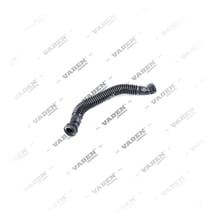
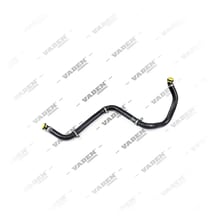
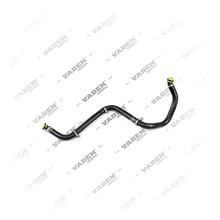
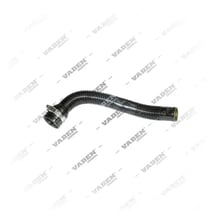
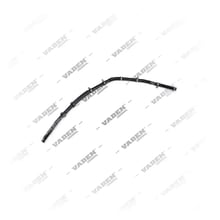
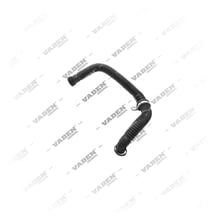
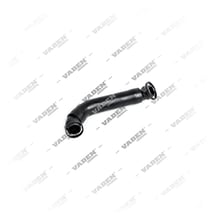
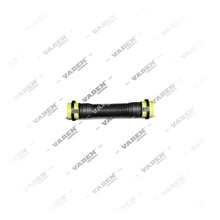
What Is Compressor Air Suction Pipe?
The Compressor Parts Air Intake Pipe is the metal or reinforced hose-type connecting component on the intake side of the air brake compressor in heavy commercial vehicles, directing air drawn from the surrounding atmosphere or from the engine air filter line into the compressor. In the field it is also known as the "intake pipe," "compressor inlet pipe," or "air intake line." As a subcomponent of the Compressor Parts main group, it supplies the clean, uninterrupted airflow the piston, valve assembly, and cylinder liner need to function. In Wabco and Knorr-Bremse compressors used on Mercedes-Benz, MAN, Scania, Volvo, DAF, Iveco, and Renault Trucks heavy trucks and buses, this pipe is usually connected to the engine air filter outlet or directly to the intake duct ahead of the turbocharger. A sound, leak-free intake pipe is a direct determinant of compressor efficiency and brake system reliability.
How Does Compressor Air Suction Pipe Work?
The Compressor Parts Air Intake Pipe carries outside air or filtered engine air into the compressor's cylinder chamber through the suction effect created while the engine is running. As the piston moves down, air arriving through the intake pipe fills the cylinder; as it moves up, this air is compressed and sent to the air reservoir through the valve assembly. The pipe's inner diameter, length, and connection geometry directly affect the air volume reaching the compressor; a narrowed or partially blocked pipe reduces fill capacity and lengthens the time the brake circuit needs to reach working pressure. Some applications include a flexible bellows section that dampens vibration, absorbing movement between engine and compressor without the pipe cracking. Tight gaskets and clamps at the connection points are a precondition for leak-free operation.
Technical Specifications of Compressor Air Suction Pipe
Air intake pipes are made from steel, aluminum, or heat-resistant reinforced rubber/plastic composite, depending on vehicle model and compressor type. Inner diameter and pipe length vary with the intake flow requirement of the relevant compressor model, so matching by chassis number or compressor OEM code is recommended before ordering. Connection ends are typically clamped hose fittings, flanged connections, or threaded adapters, sized to withstand engine bay vibration and temperature swings. Since pressure and torque values differ from model to model, the vehicle's current service manual should be taken as the reference for exact tightening torque.
Compressor Parts Air Intake Pipe Selection and Compatibility Criteria| Criterion | Why It Matters |
|---|
| Compressor Model / OEM Code | Pipe geometry and connection type are specific to the compressor; the wrong model will not seat properly |
| Material Type (metal / reinforced hose) | Determines resistance to engine bay temperature and vibration over time |
| Inner Diameter and Length | Affects the air volume reaching the compressor and the fill rate |
| Connection Type (clamp / flange / adapter) | Ensures correct matching with the engine air filter or intake duct |
| Vehicle Make and Chassis Compatibility | Differs among Mercedes-Benz, MAN, Scania, Volvo, DAF, Iveco, and Renault Trucks models |
Types and Subcategories of Compressor Air Suction Pipe
- Metal Intake Pipes: Rigid connecting lines resistant to high temperature and mechanical stress, typically mounted near the turbocharger.
- Reinforced Rubber/Hose-Type Intake Pipes: Their flexible structure absorbs the difference in movement between the engine and compressor, damping vibration.
- Bellows (Corrugated) Connecting Sections: Tolerate longitudinal and angular movement, reducing stress along the pipe run.
- Clamp and Fitting Sets: Secure the intake pipe to the engine air filter outlet or compressor inlet without leaks.
- Adapters and Connection Flanges: Make lines of different diameters and connection types compatible with one another.
How to Choose the Right Compressor Parts Air Intake Pipe
The first step is confirming the vehicle's compressor model and OEM reference code, since pipes that look alike may have different inner diameters or connection geometries. Material, connection type, and vehicle compatibility should be evaluated together.
- Model Verification: Cross-check the compressor OEM code against the chassis information.
- Temperature Resistance: Choose metal near the turbocharger and reinforced hose at points farther away.
- Connection Compatibility: Make sure the clamp and fitting diameter matches the existing line exactly.
- OEM Quality: Choose parts manufactured to OE dimensions, such as VADEN ORIGINAL.
Maintenance and Points to Watch for Compressor Air Suction Pipe
- Check Connection Points Regularly: Inspect clamps and fittings for looseness during periodic maintenance to prevent air leaks.
- Look for Cracks and Wear on the Pipe Surface: Hardening, cracking, or discoloration, especially on rubber/hose-type pipes, is an early warning sign.
- Don't Neglect the Engine Air Filter: A clogged filter reduces the air volume reaching the compressor through the intake pipe and strains the system.
- Watch for Vibration-Related Wear: Keeping mounting brackets tight prevents premature fatigue of the pipe run.
- Use Original-Dimension Parts: Pipes with an incorrect inner diameter or length reduce the compressor's fill efficiency.
Common Faults and Their Solutions
- Slow Compressor Fill / Low Pressure: Likely cause is a partially blocked or crushed pipe; inspect it and replace if necessary.
- Whistling Sound or Audible Air Leak: Likely cause is a loose clamp or cracked pipe; tighten the connection and renew the damaged pipe.
- Dust/Dirt Buildup at the Compressor Inlet: Likely cause is a damaged pipe or gasket; restore the seal and check the air filter.
- Compressor Overheating: Likely cause is a higher operating load from insufficient airflow; make sure the intake line is fully open and leak-free.
- Pipe Cracking from Vibration: Likely cause is a loosened mounting bracket; tighten the brackets and switch to a bellows-type connection if needed.
Why VADEN ORIGINAL?
- Manufactured to OE Dimensions: Intake pipes are produced true to the original inner diameter, length, and connection geometry.
- Broad OEM Coverage: Compatible alternatives for compressor applications on Mercedes-Benz, MAN, Scania, Volvo, DAF, Iveco, and Renault Trucks.
- Durable Material Selection: Service life is extended through materials resistant to engine bay temperature and vibration.
- Exported to More Than 100 Countries: Manufactured to globally tested quality standards.
Conclusion
Although the Compressor Parts Air Intake Pipe may look like a minor connecting component, it plays a critical role in the efficient and reliable operation of the air brake compressor. An intake pipe chosen with the right material, correct dimensions, and solid connecting hardware preserves the compressor's air-fill performance and supports brake system reliability. With intake pipes and connection sets built to OE dimensions, VADEN ORIGINAL gives heavy commercial vehicle fleets a long-lasting, consistent solution.
Frequently Asked Questions (FAQ)
What does the Compressor Parts Air Intake Pipe do?
The Compressor Parts Air Intake Pipe carries air from the surrounding atmosphere or from the engine air filter line into the cylinder of the air brake compressor. This allows the compressor piston to draw in enough clean air to complete the compression stroke, so the brake air reservoir fills consistently.
How can I tell if the intake pipe has a fault?
The most common symptoms are slow air fill in the compressor, low system pressure, a whistling sound from the connection points, and visible dust or dirt buildup at the compressor inlet. If any of these symptoms appear, the pipe and its connecting hardware should be inspected.
What material is the air intake pipe made from?
Depending on the vehicle model and mounting location, steel, aluminum, or heat-resistant reinforced rubber/plastic composite materials are used. Metal is generally preferred for sections near the turbocharger, while reinforced hose type is used at points that require flexibility.
Which vehicles are VADEN ORIGINAL intake pipes compatible with?
VADEN ORIGINAL air intake pipes are manufactured to the correct dimensions for Wabco and Knorr-Bremse compressors used on Mercedes-Benz, MAN, Scania, Volvo, DAF, Iveco, and Renault Trucks heavy trucks and buses. Verifying the compressor OEM code before ordering is recommended.
Is an air leak at the intake pipe connection a serious problem?
Yes, an air leak at the connection points reduces the compressor's fill efficiency and lengthens the time it takes for the brake air reservoir to reach working pressure. The tightness of clamps and fittings should be checked regularly, and damaged gaskets should be replaced promptly.
Vehicle and engine pages that list parts from this category: Freightliner
Related technical guide: Air Brake Compressor: Faults, Replacement & Maintenance Guide