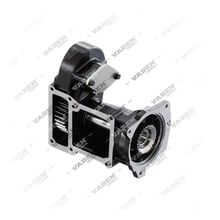
What Is a Compressor Clutch Body?
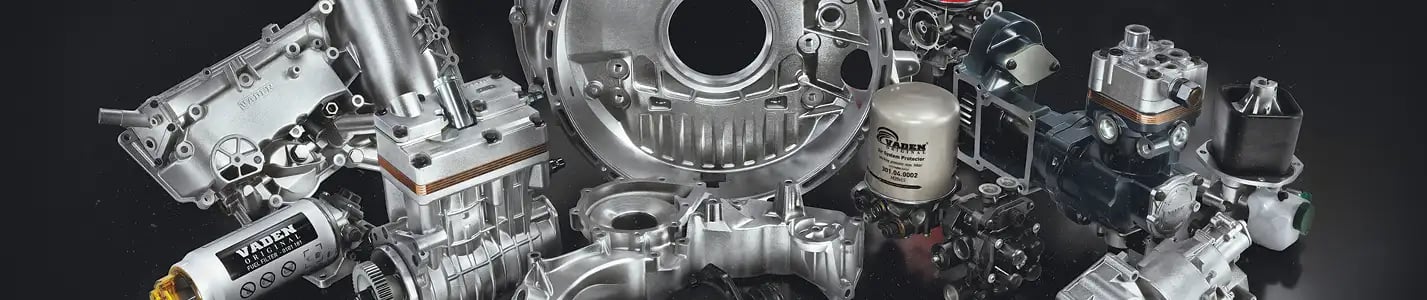
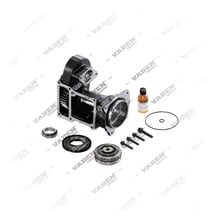
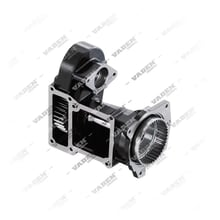
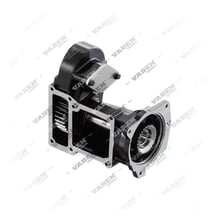
The Compressor Parts Clutch Housing is the load-bearing housing located at the engine-side drive end of the air brake compressor, connecting the compressor to the engine's crankshaft or auxiliary drive system. In the field it also goes by names such as "clutch flange," "clutch cover," or "drive housing." This housing contains the clutch assembly mounted on the compressor's drive shaft and ensures that rotational motion is transferred to the compressor smoothly, without shock loading. As part of the Air Brake Compressors > Compressor Parts chain, this component bolts directly onto the compressor body and sits in direct contact with the drive pulley or gear set on the engine side. On Wabco and Knorr-Bremse type compressors, the clutch housing serves both as the mechanical mounting point and as the protective enclosure that houses the clutch system. Without a properly manufactured, correctly dimensioned clutch housing, mounting the compressor to the engine block securely and vibration-free simply is not possible.
How Does a Compressor Clutch Body Work?
While the engine is running, drive power is transmitted to the clutch housing through the pulley or gear set. The clutch mechanism positioned inside the housing transfers this rotational motion to the compressor's crankshaft, initiating piston movement. The clutch housing's core functions within the system are as follows:
- Power Transfer: Transmits the engine's drive motion to the compressor's crankshaft without shock loading.
- Clutch Control: On electromagnetic models, houses the mechanism that engages and disengages the compressor.
- Shaft Alignment: Surrounds the drive shaft's bearing seats, limiting axial and radial deviation.
- Lubrication Delivery: Internal channels in the housing route engine oil to the clutch mechanism and bearings.
- Vibration Damping: The housing's geometry and wall thickness distribute drive loads safely into the compressor body.
Compressor Clutch Body Technical Specifications
Clutch housings are typically manufactured from cast iron or high-strength aluminum alloy; material choice depends on the weight and heat-resistance requirements of the compressor model. The bolt pattern on the housing, the drive shaft diameter, and the bearing bore dimensions vary by compressor model and by the vehicle manufacturer's drive system, so dimensions should be verified against the compressor code number and OEM reference before installation. The surface finish is generally a corrosion-resistant coating, since the part is exposed to high temperatures and moisture in the engine bay. The inner surface of the housing contains machined bearing seats that constrain the movement of the clutch mechanism; the tolerance values for these seats are specified in the compressor manufacturer's technical documentation. Rather than quoting exact figures for torque transfer capacity and bolt tightening values, always consult the vehicle's and compressor's current service manual.
Compressor Clutch Body Types and Subgroups
- Fixed Clutch Housing: A simple drive housing type in which the compressor runs continuously and carries no clutch mechanism.
- Electromagnetic Clutch Housing: Houses the clutch assembly that engages the compressor only when needed, contributing to fuel savings.
- Bearing-Seated Housing: Features integrated bearing bores that provide axial and radial support for the drive shaft.
- Lubrication-Channel Housing: Models with internal channels that route engine oil to the clutch mechanism and bearings.
- Flanged Connection Housing: Versions mounted to different compressor body types via a bolted flange connection.
How to Choose the Right Compressor Clutch Body
The first step in selecting a clutch housing is confirming the compressor's make, model, and stock number from the vehicle's service records or the label on the compressor body itself. The table below summarizes the key criteria to weigh during selection.
Clutch Housing Selection Criteria| Criterion | Why It Matters |
|---|
| Compressor Code Number | The housing's bolt pattern and shaft diameter are specific to the compressor model |
| Clutch Type (Fixed / Electromagnetic) | The wrong type causes the drive system to run incompatibly with the vehicle |
| Bearing Bore Dimensions | An out-of-tolerance bore leads to premature bearing wear |
| Material and Surface Coating | Corrosion resistance determines service life in the engine bay |
| Vehicle and Engine Compatibility | Varies by application across Mercedes-Benz, MAN, Scania, Volvo, DAF, and Iveco |
Compressor Clutch Body Maintenance and Key Considerations
- Follow the Bolt Torque Specification: Use the torque values specified by the compressor and vehicle manufacturer; over- or under-tightening can crack the housing.
- Check Alignment: During installation, make sure the drive shaft is axially aligned with the compressor pulley.
- Keep Lubrication Channels Clean: Blockages at the oil inlets cause premature wear of the clutch mechanism.
- Listen for Bearing Noise: Abnormal noise from the drive end can be an early sign that the bearing seat is starting to wear.
- Use Correctly Sized Parts: Choose a clutch housing manufactured to OEM dimensions that fully matches the compressor body.
Common Failures and Their Solutions
- Excessive Vibration at the Drive End: Likely caused by loose mounting bolts or a worn bearing seat; tighten the bolts to spec and inspect the bearing.
- Metallic Noise from the Compressor: Likely caused by wear in the clutch mechanism or misalignment; inspect the clutch housing and drive alignment.
- Compressor Fails to Engage: On electromagnetic clutch models, this may point to a faulty clutch coil or spring mechanism; replace the clutch assembly.
- Visible Crack in the Housing: Results from excessive torque, impact, or material fatigue; never repair a cracked housing — always replace it with a new one.
- Oil Leakage: Caused by a deteriorated housing gasket or seal; restore sealing by replacing the gasket and seal set.
Why VADEN ORIGINAL?
- OEM Dimensions and Tolerances: Clutch housings are manufactured to mount directly onto the compressor's drive end without additional machining.
- Broad OEM Coverage: Makes it easy to find the right part for Mercedes-Benz, MAN, Scania, Volvo, DAF, Iveco, Renault Trucks, and BMC applications.
- Durable Materials: Precision machining quality reduces vibration and wear risks at the drive end, extending service life.
- Global Availability: VADEN ORIGINAL parts are exported to more than 100 countries and are trusted by heavy-duty commercial fleets worldwide.
Conclusion
The Compressor Parts Clutch Housing is a drive-end component that, while modest in appearance, is functionally critical — it ensures the compressor mounts to the engine securely and without shock loading. Choosing a clutch housing built to OEM dimensions that matches the correct compressor code and clutch type is the foundation of a long-lasting, trouble-free drive system.
Frequently Asked Questions (FAQ)
What does a compressor parts clutch housing do?
The clutch housing is the load-bearing part that connects the air brake compressor to the engine's drive system and transfers rotational motion to the compressor's crankshaft. It houses the clutch mechanism and the drive shaft's bearing seats, delivering smooth, well-aligned power transfer.
Can a cracked clutch housing be repaired?
No. Cracks in the clutch housing are usually caused by material fatigue or excessive torque and cannot be made safe through repair methods such as welding or patching. A cracked housing can cause the drive end to fail suddenly, so it must always be replaced with a correctly sized part.
What is the difference between a fixed and an electromagnetic clutch housing?
In a fixed clutch housing, the compressor runs continuously whenever the engine is running. In an electromagnetic clutch housing, the compressor engages only when air pressure is needed, which can have a positive effect on fuel consumption. The correct type is determined by the compressor model and the vehicle's original equipment.
Which vehicle makes use this clutch housing?
Clutch housings are commonly found on Wabco and Knorr-Bremse type air brake compressors fitted to heavy commercial vehicles such as Mercedes-Benz, MAN, Scania, Volvo, DAF, Iveco, Renault Trucks, and BMC. The compressor's code number should always be checked to identify the correct part.
What does vibration at the drive end indicate?
Excessive vibration at the drive end is most often caused by loose mounting bolts, a worn bearing seat, or misalignment. When this symptom appears, bolt tightness and bearing condition should be checked, and the clutch housing replaced if necessary.
Related technical guide: Air Brake Compressor: Faults, Replacement & Maintenance Guide