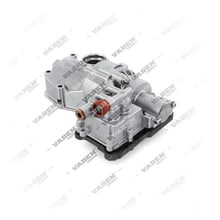
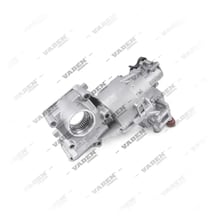
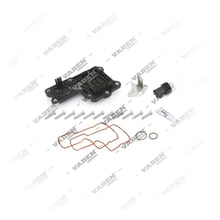
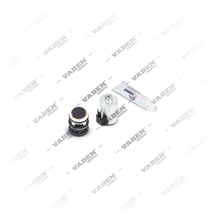
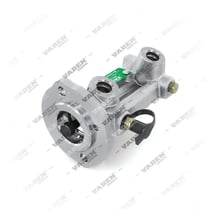
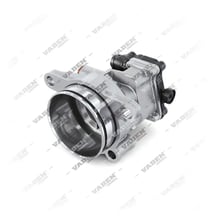
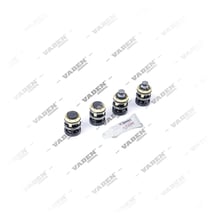
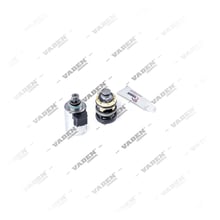
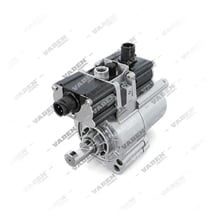
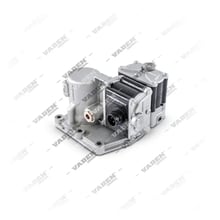
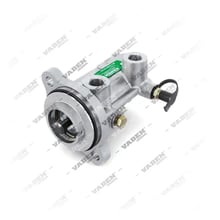
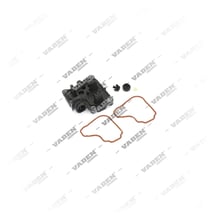
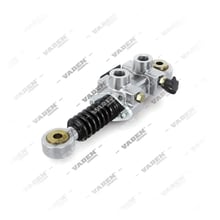
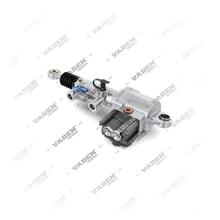
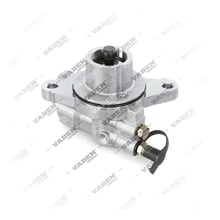
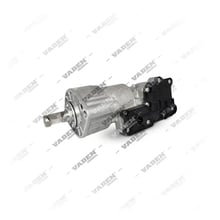
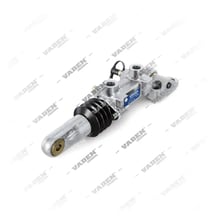
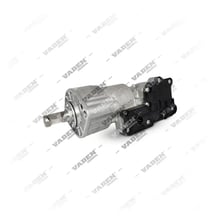
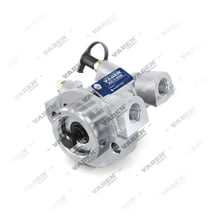
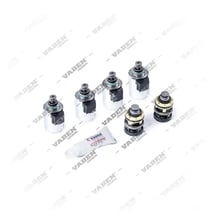
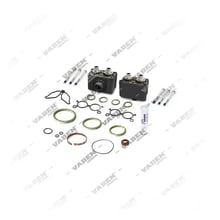
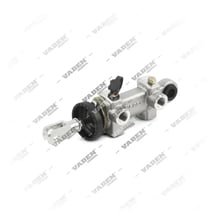
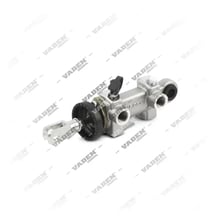
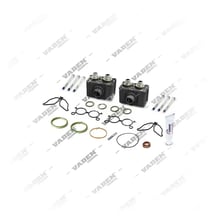
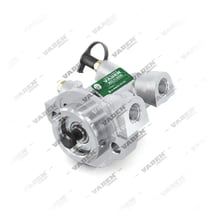
What Is a Shifting Cylinder?
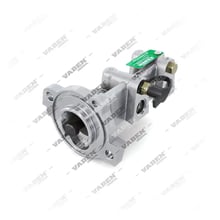
Inside a heavy-duty gearbox, the shifting cylinder is the hydraulic or pneumatic actuator that moves the shift fork to engage or disengage gears. Pressurized fluid or compressed air enters the cylinder and drives a piston connected to the shift linkage, and that piston puts the gear collar precisely in position without anyone having to supply the force by hand. This matters especially in semi-automated transmissions (AMT) and modern manual gearboxes used in trucks, buses, and trailers. There, the electronic control unit (ECU) commands the cylinder directly, which is how the gearbox gets fast, synchronized shifts. VADEN ORIGINAL shifting cylinders are manufactured to OEM specifications, so gear engagement stays precise and the part holds up over long service in commercial vehicle transmissions.
Functions of a Shifting Cylinder
At its core, the shifting cylinder turns pressure into motion. Hydraulic fluid or compressed air pushes on the piston, and its straight-line travel drives the shift fork. Because the cylinder puts the gearbox in exactly the selected gear, mechanical wear on synchronizers and gear teeth is kept to a minimum. Working with the ECU and electronic control systems, it carries out gear changes quickly and without delay. It also smooths out power delivery, reducing shift shock and driveline jolt so that ride comfort and load stability improve.
The cylinder reports back as well. It relays operating data to the transmission control unit, alerting the driver when a shift fails or is incomplete.
Shifting Cylinder Technical Specifications
| Specification | Description |
|---|
| Operating principle | Converts hydraulic or pneumatic (compressed air) pressure into mechanical shift-fork movement |
| Application | Heavy-duty vehicles: trucks, tractor units, buses, trailers with manual or AMT gearboxes |
| Transmission type | Manual and semi-automated (AMT) truck and bus transmissions |
| Main components | Cylinder housing, piston, shift fork linkage, sealing rings, return spring |
| Housing material | Wear-resistant cast metal or aluminum alloy rated for repeated high-cycle actuation |
| Sealing system | Oil- and air-tight seals preventing fluid or air leakage under sustained pressure |
| OEM compatibility | Mercedes-Benz, MAN, Scania, Volvo, DAF, Iveco, Renault, BMC |
| Quality standard | OEM-compliant, fully tested and certified manufacturing |
Types of Shifting Cylinders and Components
A hydraulic shifting cylinder is actuated by pressurized transmission fluid and is common in manual gearboxes with hydraulic shift assist. A pneumatic shifting cylinder, by contrast, runs on compressed air, and it is the standard fit in AMT and range-change gearboxes on heavy trucks and buses.
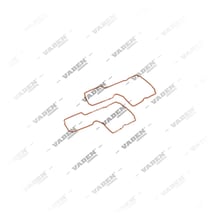
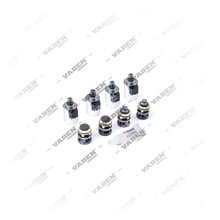
As for the components, the piston assembly is the moving core that turns pressure into the linear force passed on to the shift fork. The shift fork linkage is the mechanical arm that engages the selected gear collar, following how far the piston travels. Sealing rings and gaskets stop fluid or air from leaking, which keeps actuation pressure consistent and shifts accurate. The return spring brings the piston back to its neutral position once the shift command ends, resetting the cylinder for the next cycle.
Shifting Cylinder Maintenance and Care
Check the shifting cylinder periodically for wear, fluid seepage, or air leaks, since any of these can disrupt shift quality. At the recommended service intervals, verify the hydraulic fluid level or the system air pressure and top up or adjust as specified. Sealing rings that have deteriorated must be replaced promptly; left in place, they let the system leak and shift precision suffers.
Keep the linkage clean, too. Dirt and debris on the shift fork and in the cylinder bore get in the piston's way, so remove them and leave the piston free to travel unobstructed. Have a qualified technician run periodic ECU diagnostics as well, to catch early signs of actuator or sensor faults. When a part does need replacing, fit OEM-quality components such as VADEN ORIGINAL shifting cylinders to guarantee accurate, long-lasting gear engagement.
Common Shifting Cylinder Faults and Solutions
Sluggish or delayed shifts often point to a pressure drop or a problem at a linkage connection, and the system should be checked promptly. When shifts feel abrupt or notchy instead, loss of hydraulic or pneumatic pressure can be the cause, so inspect the seals and the pressure lines. Clunking or grinding during shifting is a different signal. It may mean internal wear or a sealing failure inside the cylinder.
If the transmission fails to settle into the selected gear, the shifting cylinder or its linkage is likely at fault. As for leaks, inspect the hoses and seals regularly for hydraulic fluid seepage or compressed air leaks around the cylinder.
Why Choose VADEN ORIGINAL Shifting Cylinders
VADEN ORIGINAL shifting cylinders are produced to strict OEM quality standards, with full testing and certification, so gear engagement can be depended on. The construction is durable and wear-resistant, with sturdy housings and sealing compounds engineered for extended service life under heavy-duty cycling. Precision-built internals deliver consistent, low-shock gear changes across the transmission's full range, so shifts are smoother and faster.
They are available for a wide range of truck and bus makes and transmission types. Over the vehicle's service life, the premium quality means fewer unplanned repairs, less downtime and less gearbox wear, which keeps long-term maintenance costs lower.
Frequently Asked Questions (FAQ)
What are the signs of a faulty shifting cylinder?
Common warning signs include gears that engage late or hesitantly and shifts that feel harsh or jerky. Listen for grinding or clunking noises from the gearbox, and watch for a transmission that fails to settle into the selected gear. Hydraulic fluid or air leaking visibly near the cylinder is another sign. If you notice any of these symptoms, have a qualified technician inspect the transmission promptly to avoid further gearbox damage.
How does a shifting cylinder work?
Every shift starts with a command, given either manually or by the transmission control unit. Hydraulic fluid or compressed air is then directed into the cylinder, and that pressure moves an internal piston connected to the shift fork. The fork engages the selected gear collar. Once the shift is complete, a return spring resets the piston, leaving the cylinder ready for the next gear change.
What types of vehicles use shifting cylinders?
Shifting cylinders turn up in trucks, tractor units, buses, and trailers equipped with manual or semi-automated (AMT) transmissions, and they are especially common in heavy-duty commercial fleets. OEM-equivalent shifting cylinders are available for major manufacturers including Mercedes-Benz, MAN, Scania, Volvo, DAF, Iveco, Renault, and BMC.
When should a shifting cylinder be replaced?
A shifting cylinder is due for replacement once it leaks fluid or air, once its seals are worn or damaged, when shifts stay harsh or delayed, or when gears fail to engage correctly. If routine transmission service turns up wear or internal leakage, the recommendation is to replace it without delay so the gearbox does not suffer further damage.
What should I check when buying a replacement shifting cylinder?
The cylinder has to match your vehicle's make, model, and transmission type exactly. Beyond fit, check that it is manufactured to OEM standards, with wear-resistant materials, seals you can count on, and documented testing and certification. Buy from a supplier that backs the part with a warranty and confirmed compatibility with your specific gearbox.
What is the difference between a shifting cylinder and a shift fork?
The shift fork is the mechanical arm that physically slides the gear collar into position. The shifting cylinder is the hydraulic or pneumatic actuator that powers that movement, converting fluid or air pressure into the linear force needed to move the shift fork. In short, the cylinder provides the actuation force; the shift fork carries out the gear engagement.
Conclusion
In a heavy-duty transmission, the shifting cylinder is the part that turns hydraulic or pneumatic pressure into the precise mechanical motion that engages each gear smoothly, shift after shift. Keep up regular maintenance, replace worn seals on time and use quality components, and the gearbox lasts longer while shifts stay crisp and consistent. Routine inspections and pressure checks help catch problems before they cause driveline damage. VADEN ORIGINAL shifting cylinders meet OEM specifications and deliver proven durability for trucks, buses, and trailers. Choose VADEN ORIGINAL for dependable gear engagement and long-lasting transmission performance.
Related articles: Automated Manual Transmission (AMT) and Shifting Cylinder: Gear Shift Failures
Related technical guide: Transmission Shift Cylinders: Failure, Replacement & Care