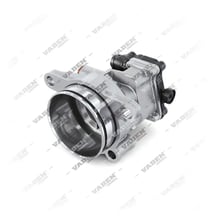
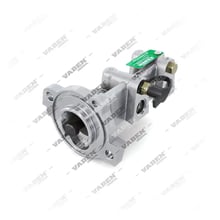
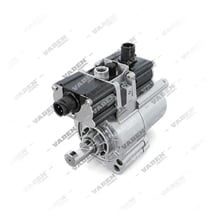
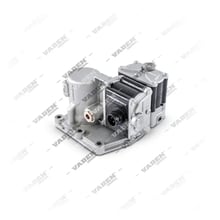
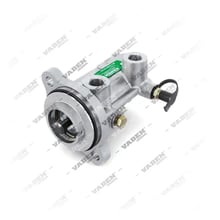
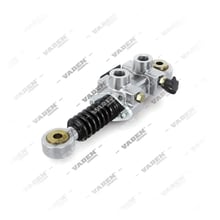
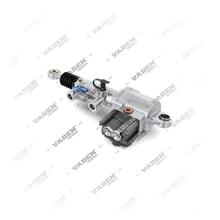
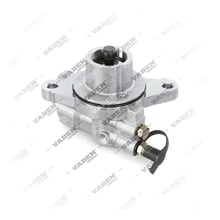
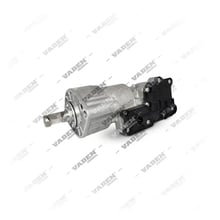
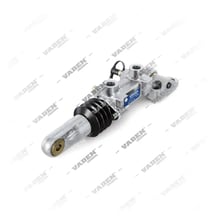
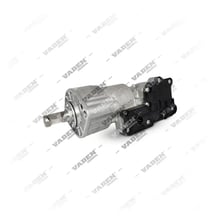
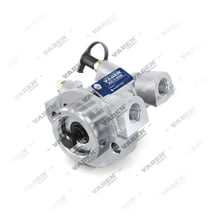
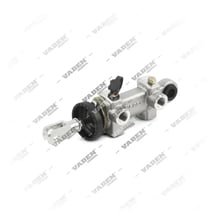
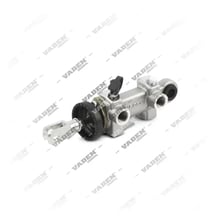
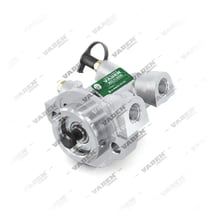
What Is a Shifting Cylinder?
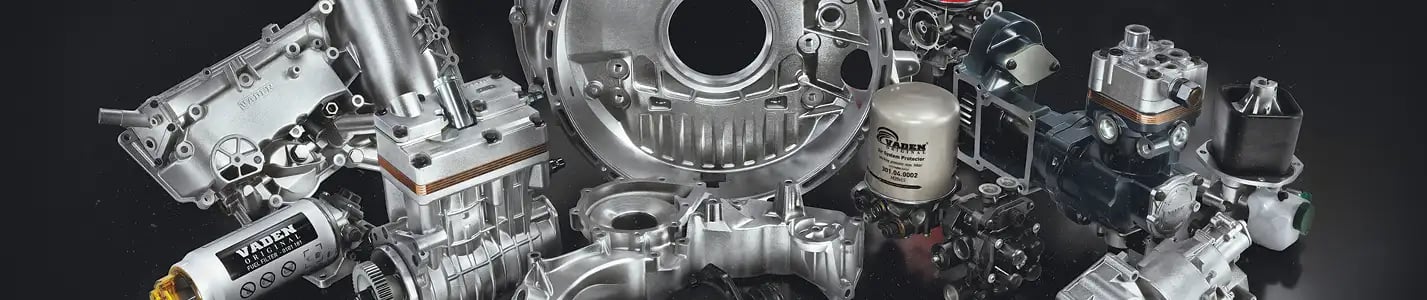
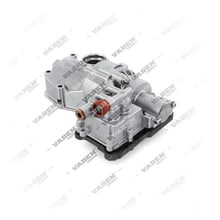
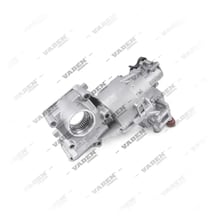
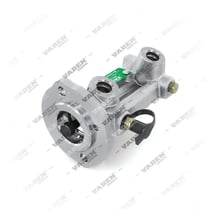
A shift cylinder is the complete actuator assembly that carries out gear changes in heavy commercial vehicle transmissions using pneumatic or hydraulic force. It is a full sub-assembly of housing, piston, piston rod, guide bushing, and sealing elements that bolts directly onto the transmission head or housing. In the field it is also called a "gear shift cylinder," "transmission actuator cylinder," or "range/splitter cylinder." Unlike the general component overview under the parent Shift Cylinder heading, this category focuses on selecting and installing the complete unit matched to the vehicle model and transmission type in exact OE dimensions, rather than a part-by-part repair. It is commonly used in ZF, Eaton, and Wabco-based transmission systems fitted to Mercedes-Benz, MAN, Scania, Volvo, DAF, and Iveco heavy trucks and tractor units.
How Does a Shifting Cylinder Work in the Transmission?
When the in-cab gear selector or the electronic control unit issues a gear-change request, the system routes compressed air or hydraulic oil into the corresponding chamber of the shift cylinder. Driven by this pressure, the piston moves and transmits force through the piston rod to the shift fork or selector shaft until the gears mesh. Range and splitter functions typically use separate cylinders or dual-chamber designs within the same housing. When sealing is compromised, pressure is lost, shift force drops, and gear changes slow down or fail to complete. Choosing a complete unit in the correct OE dimensions and stroke length is decisive for shifting at the transmission's designed speed and precision.
Shifting Cylinder Technical Specifications
The key technical criteria for complete shift cylinder units are listed below. Pressure and torque values vary by transmission model; for exact figures, the vehicle and transmission manufacturer's current service manual is authoritative — no precise number should be quoted beyond a general range.
- Bore Diameter and Stroke Length: Determines piston travel and the force generated.
- Mounting Flange and Bolt Pattern: Ensures correct alignment with the transmission housing.
- Housing Material: Usually cast aluminum or steel, with inner surfaces specially treated for wear resistance.
- Sealing Elements: Synthetic elastomers resistant to temperature and pressure fluctuations.
- Compatibility Criteria: Transmission type code, cylinder position (range/splitter/main), and OEM part number must all be verified together.
Types and Subgroups of Shifting Cylinders
- Range Shift Cylinder: A complete unit, usually dual-chamber, that switches the transmission between its high and low gear groups.
- Splitter Shift Cylinder: A complete actuator with a shorter stroke that manages intermediate (split) gear changes.
- Main Shift Cylinder: A complete unit connected directly to the selector shaft that carries out basic forward/reverse gear changes.
- Pneumatic Complete Cylinder: Operated by compressed air; the most common type, offering fast response.
- Hydraulic Complete Cylinder: Operated by oil pressure; preferred in heavy-duty transmissions requiring high force.
- Sensor-Equipped Complete Cylinder Assembly: Complete units with an integrated gear position sensor, compatible with electronic transmission control.
How to Choose the Right Shifting Cylinder
The first step when replacing the complete unit is correctly identifying the transmission type code and the cylinder's position on the housing (range, splitter, or main). Next, match the bore diameter, stroke length, and mounting flange to the VADEN ORIGINAL equivalent using the OEM part number. The table below summarizes the selection logic between the complete unit and a part-based repair kit.
Complete Shift Cylinder vs. Repair Kit Comparison| Criterion | Complete Shift Cylinder | Repair Kit |
|---|
| Wear/scoring on the housing or guide surface | Recommended | May be insufficient |
| Piston seal leak only | Not necessary | Adequate solution |
| Sensor failure or integrated electronic fault | Recommended | Not suitable |
| Young transmission, low mileage | Can be costly | Economical first choice |
| History of recurring leaks | Permanent solution | Temporary solution |
| Installation time | Short, direct replacement | Longer, requires disassembly/reassembly |
Shifting Cylinder Maintenance and Installation Precautions
- Surface Cleaning Before Installation: Do not fit the new complete unit until all old gasket residue is fully removed from the transmission housing.
- Adherence to Tightening Torque: Tighten flange bolts to the torque specified by the vehicle manufacturer; over-tightening can crack the housing.
- Air or Oil Line Verification: Match the new unit's connection ports correctly to the system's pressure and flow direction.
- Leak Test: After installation, pressurize the system and check around the cylinder for air or oil leaks.
- Shift Test: Before running the vehicle, verify smooth engagement and full gear meshing across all stages.
- Using Original Dimensions: A unit with a different stroke length or bore diameter negatively affects shift quality and transmission life.
Common Shifting Cylinder Failures and Solutions
- Slow or Incomplete Gear Shifts: Caused by piston seal wear or pressure loss; restore sealing with a complete unit or repair kit.
- Stiffness in Range/Splitter Shifts: Caused by scoring or contamination on the guide surface; clean the housing and replace the complete cylinder if needed.
- Persistent Air or Oil Leakage: Caused by a cracked housing or degraded seal integrity; replacing the complete unit is the permanent fix.
- Gear Sensor Fault Code: Caused by integrated sensor failure or a wiring problem; replacement with a sensor-equipped complete unit is recommended.
- Momentary Gear Slipping Out: Caused by piston rod or guide bushing wear; replace the worn assembly with a new one in OE dimensions.
Why Choose a VADEN ORIGINAL Shifting Cylinder?
- Manufactured to OE Dimensions: Bore diameter, stroke length, and flange dimensions match the original transmission specifications exactly.
- Broad OEM Coverage: Cross-reference support for ZF, Eaton, and Wabco transmissions simplifies correct part selection.
- Durable Sealing Elements: Seals resistant to temperature and pressure fluctuations deliver long service life.
- Exported to More Than 100 Countries: Manufactured under quality control processes trusted by global fleet operators.
- Ready for Direct Installation: A complete, one-time replacement without sourcing separate parts.
Conclusion
The shift cylinder is a critical actuator assembly that directly determines the precision of the transmission's gear changes, and selecting the correct complete unit is decisive for both driving comfort and transmission life. When wear goes beyond a surface-level seal issue, or housing integrity is compromised, a complete replacement in OE dimensions is more reliable than a part-based repair. With broad OEM coverage and durable construction, VADEN ORIGINAL shift cylinder products support safe, uninterrupted gear shifting across heavy commercial vehicle fleets.
Frequently Asked Questions (FAQ)
What does a shift cylinder do?
A shift cylinder is the complete actuator assembly that carries out gear changes inside the transmission using pneumatic or hydraulic pressure. It transmits piston motion to the shift fork or selector shaft to engage the gears, converting a gear-change request from the driver or the electronic control unit into physical motion.
Should I buy a complete shift cylinder, or is a repair kit enough?
If the problem is limited to a leak at the piston seal, a repair kit is an economical and sufficient solution. However, if there is wear on the housing or guide surface, a sensor failure, or a history of recurring leaks, replacing the complete unit delivers a more permanent and reliable result.
What are the symptoms of a faulty shift cylinder?
The most common symptoms are slow or incomplete gear shifts, stiffness during range/splitter shifts, air or oil leaks, momentary gear slipping, and sensor fault codes in electronic transmissions. If any of these symptoms appear, the cylinder assembly should be inspected.
Which transmission systems are VADEN ORIGINAL shift cylinders compatible with?
VADEN ORIGINAL complete shift cylinder products are compatible with ZF, Eaton, and Wabco-based transmission systems used in Mercedes-Benz, MAN, Scania, Volvo, DAF, and Iveco heavy commercial vehicles. Verifying the transmission type code and OEM part number before ordering is recommended.
What should be considered when installing a shift cylinder?
Before installation, old gasket residue must be cleaned off, the flange bolts must be tightened to the manufacturer's specified torque, and the air or oil line connections must be matched to the correct ports. Performing a leak test and a shift test across all gear stages after installation prevents faulty assembly.
Related technical guide: Automated Manual Transmission (AMT) and Shifting Cylinder: Gear Shift Failures