What Is an Injector Pump?
On a diesel engine, the injection pump is the fuel system component that draws diesel from the tank and delivers it to the injectors under high pressure. The timing has to be precise too, so the fuel reaches the combustion chamber at exactly the right moment. Because the pump atomizes the fuel into a fine spray, combustion inside the cylinders is cleaner and more complete. The engine can then deliver its full power and torque while fuel consumption and emissions stay under control. Trucks, buses, tractor units and heavy machinery all demand high torque and long duty cycles, which is why a sturdy, precision-calibrated injection pump is a necessity rather than an option.
What Does an Injector Pump Do?
An injector pump builds pressure. It takes the fuel drawn from the tank and raises it to the high pressure the injectors require before it reaches the combustion chamber, and it atomizes that fuel into a fine mist so combustion in each cylinder is even and complete.
The pump also controls injection timing. It regulates exactly when and how much fuel reaches each injector, which sharpens engine performance and efficiency, and it spreads the fuel evenly across all cylinders so the engine does not run rough or vibrate. Get pressure and timing right together and the payoff is better fuel economy and lower exhaust emissions.
Injector Pump Technical Specifications
| Specification | Description |
|---|
| Function | Delivers fuel to the injectors at high pressure with precise timing |
| Operating principle | Fuel pressurization and atomization |
| Drive | Runs in sync with the engine camshaft or gear train |
| Pump type | In-line, rotary/distributor, or other rotary-style designs |
| Housing material | High-pressure-rated steel and precision-machined alloys |
| Application | Diesel engines in heavy-duty trucks, buses, tractor units and construction machinery |
| OE fitment | Mercedes-Benz, MAN, Scania, Volvo, DAF, Iveco, Renault, BMC and more |
Injector Pump Types and Sub-Components
In-line injection pumps give every cylinder its own pumping element. It is a rugged, dependable design and is widely used on heavy-duty diesel engines. Rotary, or distributor, injection pumps feed all cylinders in sequence from a single pump body, which makes for a more compact design used in some heavy-duty applications.
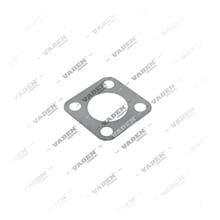
Among the sub-components, the pumping elements and plungers are the precision-machined parts that pressurize the fuel, and they are manufactured from wear-resistant materials. Fuel inlet and delivery valves control the flow into the pump and out to the injectors, keeping the pressure balance correct. The timing mechanism, made up of mechanical or electronic control elements, synchronizes fuel injection with the engine camshaft. Seals and gaskets around the pump housing prevent fuel leaks and help maintain system pressure.
How to Maintain an Injector Pump
Contaminated fuel clogs and wears an injection pump, and regular fuel filter changes are what prevent that. Inspect the seals and fittings around the pump periodically for signs of fuel leakage. It also pays to keep the pump clean, since removing the dirt and residue that build up around it preserves its performance and efficiency. Check the fuel pressure too, and confirm it matches the range the manufacturer specifies.
Alongside these checks, have a qualified technician inspect the pump periodically so issues are caught early. When it comes to replacements and repairs, choose genuine-quality parts from a trusted brand such as VADEN ORIGINAL.
Common Injector Pump Faults and Fixes
A fuel leak at the pump is usually caused by worn seals or loose fittings, and the fix is to replace the sealing elements and tighten the connections. Hard or delayed starting often points to poor fuel delivery. In that case, inspect the pump and the injectors and verify the pressure settings; catching this early prevents further engine damage.
Knocking or whining sounds from the pump can be caused by internal wear or damage, and they mean the pump's internal components need inspection. A drop in pump efficiency shows up as rising fuel consumption, so check the atomization quality and the pressure output. Insufficient fuel pressure leads to a loss of engine power, and here the pump and the fuel filter system should be reviewed as a whole.
Why Choose a VADEN ORIGINAL Injector Pump?
VADEN ORIGINAL injection pumps are OEM-grade parts, built to original equipment standards with precision engineering and made from high-grade alloys that hold up under heavy-duty operating conditions. Their pressure and timing systems are tuned for better fuel economy. The range is compatible with Mercedes-Benz, MAN, Scania, Volvo, DAF, Iveco, Renault, BMC and other heavy-duty vehicle models, and expert technical guidance is available if you need help with injection pump installation or maintenance.
Frequently Asked Questions (FAQ)
What does an injection pump do in a diesel engine?
It sends fuel to the injectors at high pressure and with precise timing, atomizing it into a fine mist so it burns efficiently. That is how you get full engine power along with better fuel economy and lower emissions, all at the same time.
What are the symptoms of a failing injection pump?
Common warning signs include fuel leaks, hard or delayed starting, unusual knocking or whining noises, rising fuel consumption, and a noticeable loss of engine power. If you notice these, have the pump inspected and replaced if needed.
What's the difference between an in-line and a rotary injection pump?
In-line injection pumps use a separate pumping element for each cylinder and are prized for their durability in heavy-duty diesel engines. Rotary (distributor) pumps use a single pump body to feed all cylinders in sequence, giving a more compact design.
How often should an injection pump be serviced?
Routine maintenance should include regular fuel filter changes, leak checks, cleaning, and pressure verification. It's also good practice to have a qualified technician inspect the pump at regular intervals.
How can you tell if an injection pump needs replacing?
Hard starting, rising fuel consumption, unusual noises, fuel leaks around the pump, and reduced engine power are all common indicators of an injection pump problem.
Which vehicles use a diesel injection pump?
Injection pumps are used in diesel-powered trucks, buses, tractor units and heavy machinery. VADEN ORIGINAL injection pumps offer broad fitment coverage for brands like Mercedes-Benz, MAN, Scania, Volvo, DAF, Iveco, Renault and BMC.
Conclusion
Heavy-duty diesel vehicles depend on the injection pump, a fuel system component that keeps them running with power, efficiency and dependability over the long haul. Pair regular maintenance with a quality pump and fuel consumption stays in check, emissions come down and the engine lasts longer. VADEN ORIGINAL supplies high-performance injection pumps you can count on, built to keep heavy-duty vehicles running at their best.
Related technical guide: Diesel Injection Pump · Download PDF
Related articles: Injection Pump and Fuel Transfer Pump: Function and Failure Symptoms
Related technical guide: Diesel Injection Pump: Faults, Replacement & Maintenance
Main technical guide: What Is a Fuel Injector? How to Recognize Injector Failure Symptoms