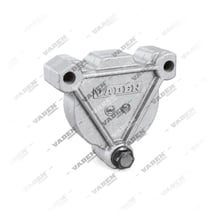
What is a Fuel Pump Damper?
The fuel pump fuel damper is a vibration-absorbing element that stabilizes line pressure by damping the pressure waves generated by the pump's operating principle. Especially in mechanical feed pumps and high-pressure fuel pumps, the periodic motion of the pump creates small pressure pulses in the line; the damper absorbs these pulses through its flexible diaphragm, delivering a smoother fuel flow to the injectors or common-rail line. When the damper fails, this damping function is lost and pressure pulsations are transmitted to other components of the system.
What are the functions of the Fuel Pump Damper?
- Pressure damping: absorbs the sudden pressure pulsations generated by the pump's motion.
- Flow stability: allows fuel to flow to the injection system more evenly and without interruption.
- Vibration reduction: prevents pressure pulses in the line from converting into mechanical vibration.
- Component protection: protects injectors and line connections from sudden pressure shocks.
- Sealing: allows pressure transfer between the diaphragm housing and the pump without fuel leakage.
What are the symptoms of a Fuel Pump Damper failure?
When the damper diaphragm tears or hardens, the most obvious symptom is rough idle and a slight vibration felt in engine operation. When pressure pulsations are transmitted to the injection system, engine power fluctuation, hesitation during acceleration, or increased fuel consumption may occur. If the diaphragm is punctured, fuel leakage and a burnt smell may be noticeable around the fuel pump housing. On some vehicles, a fuel pressure sensor may detect the abnormal pulsation and trigger a fault code, illuminating a warning light on the dashboard. If left unnoticed for a long time, the risk of early fatigue and wear on the pump and injectors increases.
How is the Fuel Pump Damper inspected?
Inspection starts with a visual check around the pump housing while the engine is cold, looking for fuel leakage, wetness, or dried fuel residue. While the engine idles, pressure pulsations in the fuel line should be monitored with suitable pressure measurement equipment, and any abnormal vibrations recorded. If the damper can be removed, the diaphragm should be visually examined for flexibility, cracking, or puncturing; a hardened diaphragm or one that has lost elasticity should be replaced. Irregular engine sound and idle fluctuation should also be treated as an indirect indicator pointing to the damper.
What should be considered during replacement?
Before fitting a new damper, the pump housing and mating surfaces should be cleaned of fuel residue, and the old gasket or O-ring completely removed. The damper should be secured in the direction and torque specified by the manufacturer; over-tightening can deform the diaphragm. After installation, the fuel line should be properly bled so no air remains in the system. Run the engine and let it idle for a few minutes to check for leaks and pressure balance.
How to choose the right Fuel Pump Damper?
Selection should be based on the fuel pump's OE reference number and the damper's mounting dimensions, with the diaphragm material suited to the fuel type used.
Fuel Pump Fuel Damper selection criteria| Criterion | Description |
|---|
| Pump OE number | The reference specified in the vehicle's current OE service manual is authoritative |
| Mounting dimensions | Housing diameter and connection port must match the original part |
| Diaphragm material | Must be resistant to the fuel type used (diesel/biodiesel) |
| Pressure range | Damping capacity suited to the pump's operating pressure |
| Sealing | The housing-diaphragm joint must not leak fuel |
Maintenance and service life
The fuel pump fuel damper is generally a component serviced together with the pump; rather than a separate maintenance interval, it is recommended to check it during pump servicing. Using low-quality or contaminated fuel can cause premature wear of the diaphragm, so replacing fuel filters at the recommended interval extends the damper's service life. On vehicles operating in very hot environments, the heat resistance of the diaphragm material is especially important.
VADEN Fuel Pump Damper
Vaden offers dampers matched to different fuel pump types in OE tolerances with broad OEM reference coverage. For correct pressure damping, the part should be selected according to the pump's OE number.
Frequently Asked Questions (FAQ)
How does engine performance change when the fuel damper fails?
Pressure pulsations are transmitted to the injection system, causing engine power fluctuation, hesitation during acceleration, and increased fuel consumption.
What happens if the damper diaphragm is punctured?
Fuel leakage and a burnt smell may be noticeable around the pump housing; in this case the part should be replaced immediately.
Should the damper be checked at every fuel filter change?
There is no separate mandatory interval, but it is recommended to review the diaphragm's flexibility and general condition during pump servicing.
Can low-quality fuel damage the damper?
Yes, contaminated or low-quality fuel can cause premature wear of the diaphragm; replacing fuel filters at the recommended interval extends its life.
Why does the fuel line need bleeding after installation?
Air left in the system disrupts pressure balance and causes irregular engine operation, so the line should be properly bled after installation.
Related technical guide: Diesel Injection Pump: Faults, Replacement & Maintenance