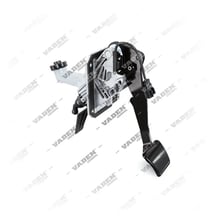
What is a Asynchronous Hydraulic Clutch Pedal Unit?
This unit is the master cylinder assembly that converts the mechanical motion of the clutch pedal into hydraulic pressure; it is mounted to the pedal box or chassis and connected to the pedal arm with a clevis pin. Inside it there is a piston, a piston seal (cup seal), a return spring and a reservoir inlet valve. Its difference from synchronized (concentric) systems is that the slave cylinder is positioned as a separate unit inside the transmission clutch bell housing, with a flexible or rigid hydraulic line connecting the two units; this arrangement provides service convenience because the pedal unit can be replaced without removing the transmission.
What are the functions of the Asynchronous Hydraulic Clutch Pedal Unit?
As the starting point of the clutch actuation chain, the pedal unit performs several core functions.
- Force conversion: converts the mechanical force applied to the pedal into hydraulic pressure.
- Pressure transmission: transmits the generated pressure to the slave cylinder via the hydraulic line, opening the clutch pressure system.
- Fluid balancing: the reservoir connection balances volume changes in the system, preventing air from entering.
What are the symptoms of a Asynchronous Hydraulic Clutch Pedal Unit failure?
When the piston seal wears, the pedal feels soft or spongy, the clutch may not open fully, and gear shifting becomes difficult. When internal sealing fails, hydraulic fluid leaks from the pedal unit body or into the pedal box, and an oil stain may be noticed on the carpet/floor. When air is present in the system, variability in pedal feel and a shifting clutch bite point are observed, usually a sign of a leak at either the master or slave cylinder. In advanced failure, the pedal can go all the way to the floor and the clutch may not open at all, in which case the vehicle cannot shift gears and mobility is severely restricted.
How is the Asynchronous Hydraulic Clutch Pedal Unit checked?
The pedal unit body and reservoir connection point are visually inspected for signs of leakage, with special attention to checking for hidden dampness inside the pedal box. Whether the pedal returns quickly and fully when released is observed to assess the return spring and piston movement. If air is suspected in the hydraulic line, the system should be bled per the manufacturer's procedure to check whether pedal firmness returns to normal.
What should be considered during replacement?
Before replacing the pedal unit, the hydraulic fluid reservoir should be drained or the line temporarily clamped shut to prevent excessive fluid flow during removal. After installing a new unit, the system must be bled thoroughly, with the pedal pressed and released through full stroke several times to purge air bubbles from the line. Hydraulic fluid should be filled to the manufacturer-approved type and level; mixing a different fluid type can cause the piston seals to swell. After installation, pedal free play should be set to the manufacturer's value; incorrect adjustment can prevent the clutch from opening fully.
How to choose a Asynchronous Hydraulic Clutch Pedal Unit?
Compatibility should be verified exactly against the vehicle chassis number; piston diameter and stroke length affect the overall force balance between the slave cylinder and the clutch system, so an incorrect size can both spoil pedal feel and prevent the clutch from opening fully. The reservoir connection type and line thread fittings must also match the vehicle model.
Non-synchronized hydraulic clutch pedal unit - general reference values| Parameter | Typical range |
|---|
| Hydraulic fluid type | DOT 4 or manufacturer-approved hydraulic clutch fluid |
| Pedal free play | 5-15 mm (the vehicle manufacturer's current service manual is authoritative) |
| Piston seal material | EPDM rubber, resistant to hydraulic fluid |
| Inspection interval | Once a year or whenever a noticeable change occurs at the clutch pedal |
Maintenance and service life
Changing hydraulic fluid according to the manufacturer's interval prevents moisture buildup in the system and premature piston seal deterioration. Keeping the pedal box clean and dry prevents fluid that leaks from the body from damaging other electrical/mechanical components. With proper maintenance, the pedal unit can serve trouble-free for 5-8 years, or a period that varies with usage intensity.
VADEN Non-Synchronized Hydraulic Clutch Pedal Unit
VADEN offers hydraulic pedal units manufactured to OE dimensions for heavy commercial vehicle clutch systems, with attention to piston seal and reservoir compatibility to support clutch reliability.
Frequently Asked Questions (FAQ)
What is the difference between a non-synchronized system and a concentric slave cylinder (CSC) system?
In a non-synchronized system the pedal unit and slave cylinder are in separate locations and connected by a hydraulic line, and the slave cylinder can be replaced separately. In CSC systems the slave cylinder is positioned concentrically inside the transmission clutch bell housing and is usually replaced together with the clutch pressure system.
Does the slave cylinder also need to be replaced when the pedal unit is replaced?
It is not mandatory, but since both parts share the same hydraulic system and are typically the same age, a failure in one can indicate the other is likely to fail soon; checking both together is recommended for maintenance economy.
How can you tell if air is trapped in the pedal unit?
Variability in pedal firmness/softness, a constantly shifting clutch bite point, and a spongy feel when the pedal is pressed again are typical signs that air is trapped in the system.
Can the vehicle keep being driven if a hydraulic fluid leak is noticed?
As the leak continues, fluid and pressure in the system will decrease and the clutch may gradually stop opening fully; it is recommended not to drive the vehicle long distances until the leak source is found and fixed.
If the clutch still doesn't open fully after replacing the pedal unit, what could be wrong?
In this case air is usually still trapped in the system, pedal free play has been set incorrectly, or there is a separate fault in the slave cylinder; all three possibilities should be checked in turn.
Vehicle and engine pages that list parts from this category: Freightliner · Mack
Related technical guide: Hydraulic Clutch Pedal Unit: Fault Diagnosis, Replacement, Maintenance