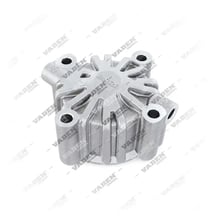
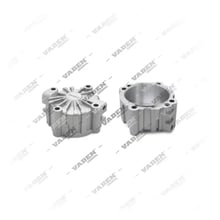
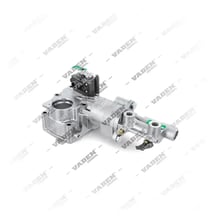
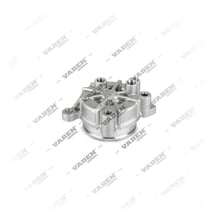
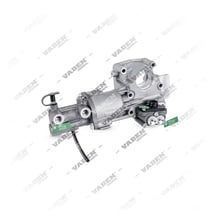
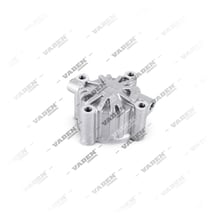
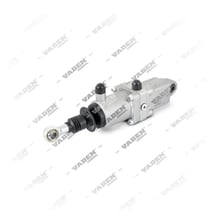
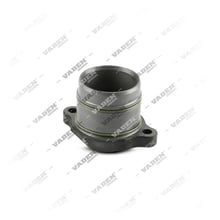
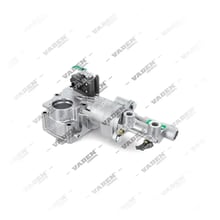
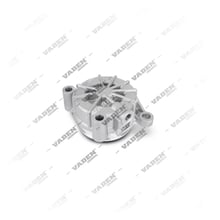
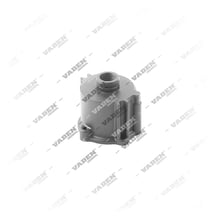
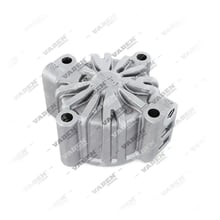
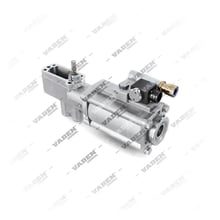
What are the functions of the Split Cylinder?
The main functions of the control cylinder within the transmission system are:
- Motion generation: Converts compressed air or hydraulic energy into piston motion, and thus mechanical force.
- Shift command transmission: Converts the gear-change signal from the driver or electronic control unit into physical motion.
- Select and shift function: On some cylinder types, performs both the gear select and gear shift motions through separate chambers.
- Positioning accuracy: Piston stroke provides the precise positioning required for the gear to fully and correctly engage.
- Feedback support: On electronically controlled transmissions, sensors on the cylinder relay piston position data to the control unit.
What are the symptoms of Split Cylinder failure?
A fault in the control cylinder usually becomes apparent during gear shifts: delayed or stiff gear changes; inability to engage a specific gear or the gear not fully engaging; air or hydraulic leakage from the cylinder body, a hissing sound or an oil stain; a fault code or warning light on the gear lever or automatic transmission display; and an abnormal knocking or impact sound accompanying cylinder movement. When the piston seals wear, sealing is lost and the cylinder can no longer generate sufficient pressure; this can progress to gear shifts becoming completely impossible, leaving the vehicle immobile.
How is the Split Cylinder inspected?
Inspection begins with a visual check of the cylinder body and connection points for air or hydraulic leaks, oil accumulation or cracks in the housing. With the system pressurized (engine running), piston motion is observed to confirm it is smooth and reaches full stroke; staged or slow movement indicates loss of sealing. On electronically controlled transmissions, a diagnostic tool is used to read data from the position sensors on the cylinder and evaluate any stored fault codes. Pressure at the cylinder's supply line is measured with a manometer and compared against the manufacturer's reference value. Wear at the mechanical connection points of the gear lever or select mechanism should also be assessed during this check.
What should be considered when replacing it?
Before replacement, air or hydraulic system pressure must be fully released, otherwise there is a risk of sudden movement or fluid spray during removal. When disconnecting the lines, care must be taken not to damage hose and pipe fittings, and O-rings and sealing elements should be renewed if needed. Before fitting the new cylinder, mounting surfaces should be cleaned and any sensor connectors correctly plugged in. The mechanical connection between the piston rod and the shift fork or select shaft must be set with the clearance specified in the manufacturer's instructions; incorrect setting causes stiffness or incomplete engagement during gear shifts. After installation, the system should be pressurized gradually, checked for leaks, and all gear stages tested.
How to choose the right Split Cylinder?
Correct cylinder selection should be based on the transmission model, the vehicle's control system type (pneumatic/hydro-pneumatic, with or without sensor) and the OE part number. The table below summarizes the key selection criteria.
Transmission Control Cylinder selection criteria| Criterion | Description |
|---|
| OE number | Exact match with the reference number in the transmission manufacturer's catalog |
| Actuation type | Compatibility with pneumatic or hydro-pneumatic system |
| Sensor configuration | Correct identification of the variant with or without position/pressure sensor |
| Piston stroke | Matching the travel distance required by the transmission shift mechanism |
| Connection fittings | Air/hydraulic line diameter and connector type matching the vehicle |
Maintenance and service life
The transmission control cylinder has a long service life in systems using clean compressed air or hydraulic fluid; contaminated or moist air/fluid causes early wear of the piston seals. At scheduled maintenance, checking and, if needed, replacing the filter elements in the supply line directly affects the cylinder's service life. Cylinders showing signs of leakage can be rebuilt with a repair kit or replaced entirely before progressing to full failure; the decision should be based on the source of the leak and the condition of the housing.
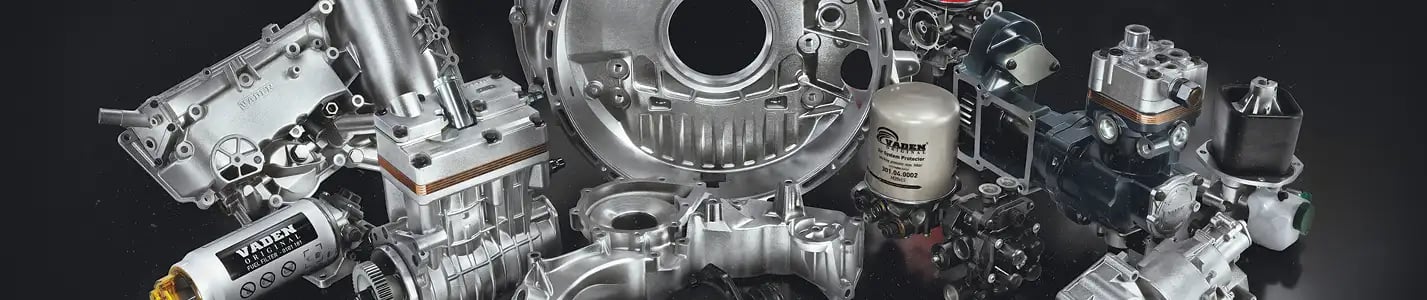
VADEN Split Cylinder
VADEN offers control cylinders manufactured to OE tolerances for different transmission families. The products are made with precise piston-seal matching and correct sensor configuration, contributing to the reliable operation of gear shifts.
Frequently Asked Questions (FAQ)
Can the vehicle be driven with a faulty control cylinder?
Since gear shifts will not be reliable, the vehicle should not be driven until it has been checked at a service center if a fault is suspected.
Can a leaking cylinder be repaired with a repair kit?
If the housing is sound and only the seals are worn, repair with a kit is possible; if the housing is damaged, complete replacement is required.
What does a fault code on an electronic transmission indicate?
It usually indicates an unexpected signal from the piston position sensor or a pressure loss, and should be investigated in detail with a diagnostic tool.
Is gear adjustment needed after replacing the cylinder?
Yes, the connection between the piston rod and the gear mechanism must be readjusted according to the manufacturer's instructions.
Which systems are VADEN control cylinders suitable for?
Variants exist for pneumatic and hydro-pneumatic control systems, with and without sensors; the OE number should be used to confirm the fit.
Related technical guide: Transmission Shift Cylinders: Failure, Replacement & Care