What Is a Sensor (Gearbox)?
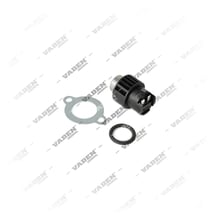
The transmission position sensor is the electronic part in a heavy-duty truck that keeps the engine management system continuously informed of the gearbox's current position. It follows the position of the transmission shaft, works out exactly which gear is engaged and passes that signal to the ECU in real time. With that information the gear changes stay precise, the vehicle performs better, and the sensor supports safer driving. You will find this gearbox sensor on manual, automatic and automated (AMT) transmissions in trucks, tractor units and buses from brands such as Mercedes-Benz, MAN, Scania, Volvo, DAF, Iveco, Renault and BMC.
What Does a Sensor (Gearbox) Do?
The sensor follows the position of the transmission shaft and, from that, determines which gear is currently engaged. It transmits that gear position to the engine management system (ECU), which uses it to time the shifts and manage engine power. Because the signal arrives fast and accurately, gear changes go through without lag or hesitation, and by helping match each change to the engine's power output, the sensor contributes to better fuel economy.
The same signal is what makes fault detection possible. When the system detects an incorrect or implausible gear position, it triggers a safe/limp mode and alerts the driver.
Sensor (Gearbox) Specifications
| Specification | Description |
|---|
| Part name | Transmission Position Sensor / Gear Sensor |
| System | Transmission and Engine Management System (ECU) |
| Function | Detects gear position and reports it to the ECU |
| Operating principle | Converts transmission shaft position into an electrical signal |
| Connection | Wired connector transmitting signal to the ECU |
| Compatible transmission types | Manual, automatic, and automated (AMT) transmissions |
| Vehicle class | Heavy-duty trucks, tractor units, buses, and trailers |
| Product range | 1 transmission sensor reference in this category |
Sensor (Gearbox) Types and Related Parts
The main type in this family is the gear position sensor, which reads the exact position of the transmission shaft directly. Working alongside it is the gear speed sensor, which measures the rotational speed of the transmission output shaft and reports it to the ECU. On the vehicle, the transmission position sensor works together with a wiring harness, connector and seal as part of the transmission's electronic system, and the sensor data is processed by the engine management system (ECU).
How to Maintain a Sensor (Gearbox)
Check the sensor connectors regularly for corrosion or a loose fit, and keep the sensor surface clean, since dirt and oil build-up can interfere with accurate readings. Every so often, run the vehicle's onboard diagnostics to review how the sensor is performing.
Get the installation right as well, because incorrect mounting can cause faults and reduce performance. When you order a replacement, choose a genuine, compatible VADEN ORIGINAL transmission sensor rather than an aftermarket alternative.
Common Sensor (Gearbox) Faults and Symptoms
A faulty gearbox sensor can delay gear changes or block them entirely. When a truck comes in with that complaint, check the sensor's wiring and signal first. A wrong gear showing on the dashboard is another common symptom, and it often means the sensor needs replacing.
Transmission position sensor faults can also trigger the check engine light, so a diagnostic scan is recommended. Out on the road, a faulty sensor can sap pulling power and cause the gears to shift incorrectly; replacing it with a genuine sensor is advised.
Why Choose a VADEN ORIGINAL Sensor (Gearbox)?
VADEN ORIGINAL gearbox sensors are manufactured to original equipment (OEM-grade) standards, which gives a precise, dependable fit. They are built to last, and their performance holds up even under demanding road and load conditions. Fast, accurate signal transmission prevents shift lag and supports fuel efficiency, and the sensor is made for quick, straightforward fitting. Each one is backed by professional installation and maintenance support.
Frequently Asked Questions (FAQ)
What does a transmission position sensor do?
The sensor detects which gear the gearbox is currently in and sends that data to the engine control unit (ECU), so gear shifts stay precise and dependable.
What are the symptoms of a bad transmission position sensor?
Common symptoms include delayed or blocked gear shifts, an incorrect gear reading on the dashboard, a check engine light, and reduced pulling power.
Can you still drive with a faulty transmission position sensor?
You can, but shifting may be erratic or delayed, which affects driving safety. It's best to replace a faulty sensor with a genuine, compatible part as soon as possible.
How do you maintain a transmission position sensor?
Check the sensor's electrical connections and surface regularly, clean off dirt and oil buildup, run periodic diagnostic scans, and make sure the sensor is correctly installed.
What's the difference between a transmission position sensor and a gear speed sensor?
A transmission position sensor detects the transmission shaft's position, while a gear speed sensor measures the output shaft's rotational speed. The two work together to give the ECU a complete, accurate picture.
Which trucks fit VADEN ORIGINAL transmission position sensors?
VADEN ORIGINAL transmission position sensors fit manual, automatic, and AMT transmissions on heavy-duty trucks, tractor units, and buses from brands including Mercedes-Benz, MAN, Scania, Volvo, DAF, Iveco, Renault, and BMC.
Conclusion
Precise, safe gear shifting in a heavy-duty vehicle depends on the transmission position sensor. Regular maintenance and a quality sensor are what keep your gearbox's electronics running efficiently. VADEN ORIGINAL transmission position sensors bring together high quality, durability and precision, which makes them a strong match for heavy-duty commercial vehicles.
Related products — Gearbox: Gearbox (view all)
Related technical guide: Transmission PTO: Faults, Replacement and Maintenance Guide