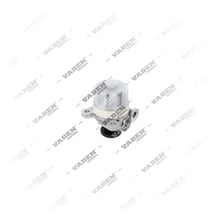
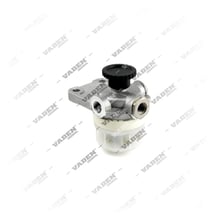
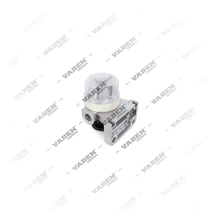
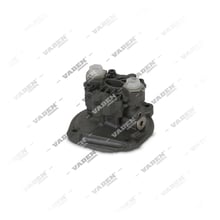
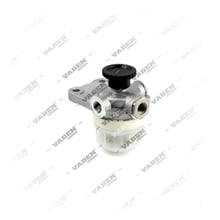
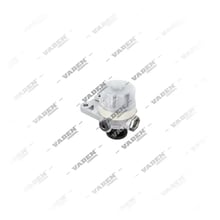
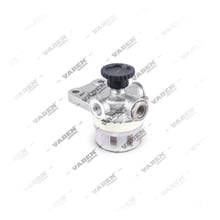
What Is a Manual Feed Hand Pump?
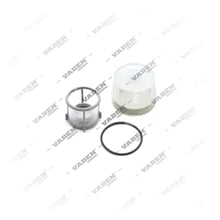
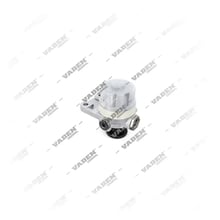
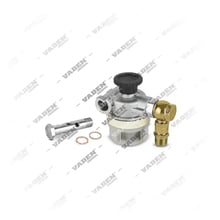
The feed pump hand primer is a manually operated priming device fitted to the fuel feed pump on heavy commercial vehicles. It is used to bleed air trapped in the system after a fuel filter change, to fill the fuel line before restarting a vehicle left idle for a long time, or to re-prime the circuit once the tank has run dry. Known on the shop floor as a "primer bulb," "priming pump," or simply the "hand lever," this small piston-and-diaphragm mechanism is mounted directly on the feed pump housing. Even on modern engines with electronic fuel systems, air bleeding is still largely carried out with a manual hand primer. By keeping air lock from forming in the diesel fuel line, the feed pump hand primer keeps the engine starting and running smoothly without hesitation.
How Does a Manual Feed Hand Pump Work?
The hand primer works on a simple suction-and-discharge principle. As the lever or primer button is pressed up and down, the piston or diaphragm inside the pump draws fuel from the tank and pushes it through the filter toward the injection system. One-way check valves stop fuel from flowing back, so every stroke moves fuel a step further forward. The hand primer stays inactive while the engine is running; its only job is feeding the system manually when the engine is stopped, during a filter change, or after the tank runs dry. Because air is far more compressible than liquid fuel, even a small air bubble left in the line stops the injection pump from building the pressure it needs, and the engine stalls or runs rough. Repeated pumping pushes these air bubbles out through the bleed screw on the filter, filling the system with clean fuel.
Manual Feed Hand Pump Technical Specifications
Feed pump hand primers are typically built from zinc-plated steel, brass, or high-strength plastic housings, with synthetic seals resistant to diesel fuel providing the tight seal. Thread size and mounting type vary according to the vehicle's feed pump model, so the vehicle make, engine code, and original pump reference number should always be checked before ordering. Flow capacity is intentionally low, since the goal is not to build high pressure but simply to bleed air and fill the fuel line.
- Housing Material: Steel, brass, or high-strength plastic, resistant to contact with diesel fuel.
- Sealing: Synthetic gaskets and valve rubber resistant to diesel fuel.
- Connection Thread: Original-spec thread type that varies by vehicle and feed pump model.
- Valve Design: One-way suction and discharge valves prevent fuel from flowing back.
Sealing gasket tolerances should match the original dimensions specified by the vehicle manufacturer; for exact torque values, the vehicle's current service manual should always be consulted.
Manual Feed Hand Pump Types and Subgroups
- Button (Butterfly) Type: The classic flat, rotating-head design, operated by pressing with a finger.
- Lever Type: A long-lever mechanism that moves more fuel per stroke with less effort.
- Integrated-Housing Type: Made as a single piece with the feed pump housing, so fewer sealing points mean a lower risk of leaks.
- Separable (Modular) Type: Can be replaced independently of the housing, so a faulty primer does not call for replacing the whole feed pump.
- Dual-Valve Designs: Move fuel on both the suction and discharge strokes, shortening bleed time.
How to Choose the Right Manual Feed Hand Pump
The top priority when choosing the correct hand primer is exact mechanical and thread compatibility with the vehicle's feed pump housing. A primer of the wrong size breaks the seal and leads to air leaks. The table below summarizes the key criteria to weigh during selection.
Feed Pump Hand Primer Selection Criteria| Criterion | Why It Matters |
|---|
| Feed Pump Model | The hand primer must match the thread and dimensions of the feed pump housing it mounts on |
| Vehicle Make and Engine Code | Different engine codes within the same make can use different pump variants |
| Actuation Type | Button, lever, or integrated-housing type must match the vehicle's original design |
| Sealing Material | Diesel-resistant gasket material delivers a long service life and leak-free operation |
| Valve Design | Single- or dual-valve construction affects bleed time and overall efficiency |
| OEM Reference Number | Confirming against the original part number lowers the risk of incorrect fitment and returns |
Manual Feed Hand Pump Maintenance and Key Points
- Always Use It During Filter Changes: After every fuel filter change, use the hand primer together with the bleed screw to purge air from the system.
- Avoid Excessive Force: Pressing the button or lever with excessive force can wear out the internal valves or housing threads over time.
- Check the Sealing Gasket: If fuel leakage is noticed around the pump, the gasket should be replaced without delay.
- Follow the Correct Tightening Torque: Over-tightening can crack the housing, while under-tightening breaks the seal; always follow the values given in the vehicle's service manual.
- Use Original-Quality Parts: Low-quality valve and gasket materials can harden and crack quickly, leading to air leaks.
Common Faults and Solutions
- Hand Primer Feels Stiff and Builds No Pressure: The internal valves may be stuck or contaminated; clean the pump's internal mechanism or replace the valve set.
- Engine Won't Start, Runs Rough, or Stalls: Air may still be trapped in the fuel line; open the bleed screw and work the hand primer repeatedly until fuel flows without bubbles.
- Fuel Leaking Around the Pump: This usually points to a worn gasket or a cracked housing; replace the sealing components or the complete primer.
- Button/Lever Pumps with No Resistance: The internal piston or diaphragm may have failed; fit a new hand primer built to original dimensions.
- Bleeding Takes Too Long: The valve design may be insufficient, or the bleed screw on the filter may not be fully open; check the screw and consider a dual-valve primer if the problem continues.
Why VADEN ORIGINAL?
- Built to OE Dimensions: Feed pump hand primers are manufactured to original housing and thread dimensions for trouble-free fitment.
- Broad OEM Coverage: Compatible with the feed pump systems of makes such as Mercedes-Benz, MAN, Scania, Volvo, DAF, Iveco, Renault Trucks, and BMC.
- Durable Sealing: Diesel-resistant gasket and valve materials ensure long-term, leak-free operation.
- Exported to More Than 100 Countries: A quality standard tested on a global scale, delivering reliability across a wide range of climates and operating conditions.
Conclusion
Despite its small size, the feed pump hand primer is critical to the reliable operation of diesel engines, bleeding air from the fuel line so the engine starts and runs without hesitation. Using it correctly after filter changes and after long periods of inactivity is a simple but effective way to keep a vehicle from being stranded on the road. Built to OE dimensions with broad vehicle compatibility, VADEN ORIGINAL feed pump hand primers offer a dependable solution for heavy commercial fleets.
Frequently Asked Questions (FAQ)
What does a feed pump hand primer do?
A feed pump hand primer is a manually operated priming pump used to bleed air trapped in the fuel line after a fuel filter change or once the tank has run dry. By preventing air lock in the system, it keeps the engine starting and running without hesitation.
When should the hand primer be used?
The hand primer should be used right after a fuel filter change, when the tank has run completely dry, or when the vehicle has been left standing for a long period. In these cases the bleed screw is kept open while the button or lever is pumped repeatedly.
What could be wrong if the hand primer builds no pressure?
The most common cause is contamination or sticking in the pump's one-way valves. Clean the pump's internal mechanism first; if the problem continues, replace the valve set or fit a complete new hand primer.
Which vehicles is a feed pump hand primer compatible with?
VADEN ORIGINAL hand primers are manufactured in a range compatible with the feed pump systems of makes such as Mercedes-Benz, MAN, Scania, Volvo, DAF, Iveco, Renault Trucks, and BMC. For the correct part, verify the feed pump model and OEM reference number.
What should be done if fuel is leaking from the hand primer?
Fuel leakage around the pump is usually caused by a worn gasket or a cracked housing. The sealing components or the complete hand primer should be replaced with an original-dimension part, with the tightening torque applied according to the service manual.
Related technical guide: Feed Pump & Hand Primer: Faults, Replacement, Maintenance