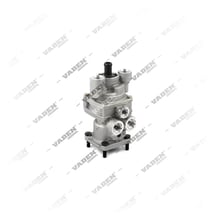
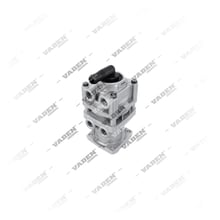
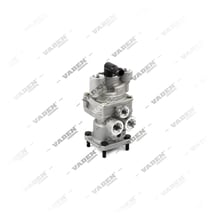
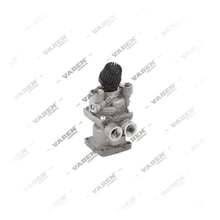
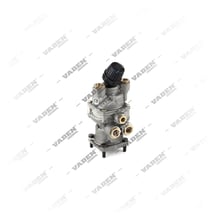
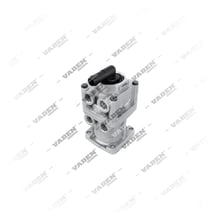
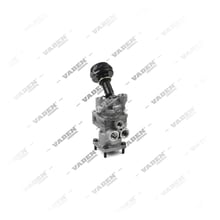
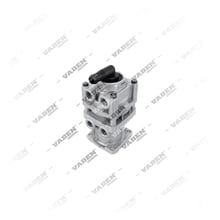
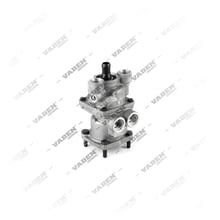
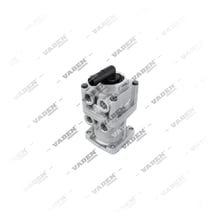
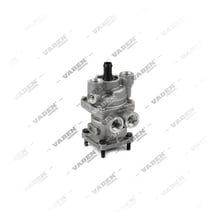
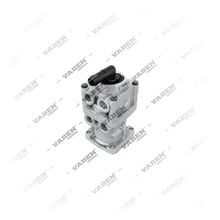
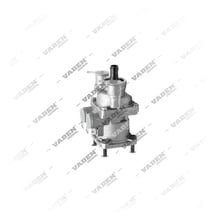
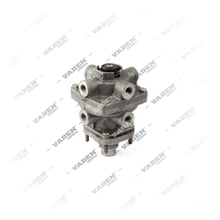
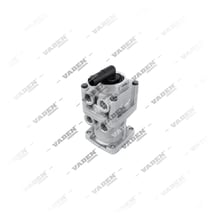
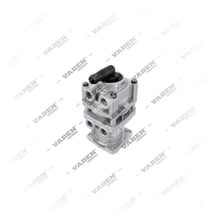
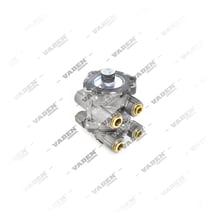
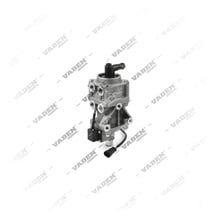
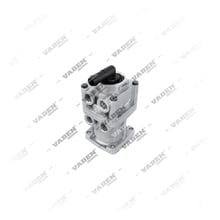
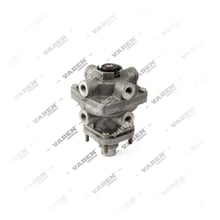
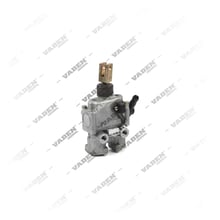
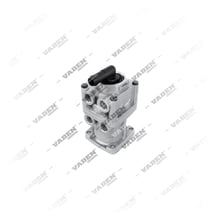
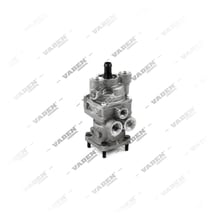
What Is a Foot Brake Valve?
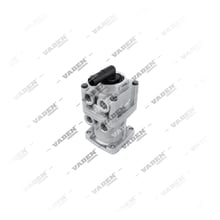
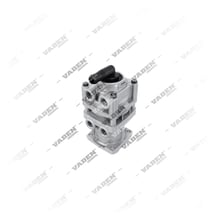
The Brake Pedal Valve is the central control component of the dual-circuit air brake system in heavy commercial vehicles, converting the force the driver applies to the pedal into a pneumatic brake command. Mounted in the cab directly beneath the pedal mechanism, this valve directs compressed air from the reservoir line to the front and rear brake circuits in proportion to pedal pressure. In the field it is also known as the "brake control valve," "dual-circuit brake valve," or "foot brake valve." Replacement units manufactured to the exact OE dimensions of original Wabco and Knorr-Bremse designs are widely used on Mercedes-Benz, MAN, Scania, Volvo, DAF, Iveco, and Renault Trucks heavy trucks and buses. This category covers both complete valve unit replacement and selecting the correct OE-equivalent part for your vehicle's make and model.
How Does a Foot Brake Valve Work?
When the driver presses the pedal, two independent piston-diaphragm sets inside the valve move simultaneously, channeling air from the reservoir line into the front and rear brake circuits. Outlet pressure rises progressively in direct proportion to the force applied at the pedal, allowing the driver to control braking intensity with precision. If one circuit fails, the other continues to operate independently, preventing total loss of braking. When the pedal is released, return springs push the pistons back to their starting position and the air in the circuits is vented to atmosphere through the exhaust port. This dual-circuit logic is the fundamental safety principle behind modern air brake systems.
Foot Brake Valve Technical Specifications
Brake pedal valves are produced with different numbers of inlet/outlet ports and flow capacities depending on the vehicle's gross weight and brake circuit architecture. Operating pressure range and pedal travel ratio vary by vehicle manufacturer; for exact torque, sealing tolerance, and calibration values, always refer to the vehicle's current service manual.
- Housing Material: Pressure die-cast aluminum, lightweight and corrosion-resistant.
- Internal Sealing Elements: Synthetic rubber diaphragms and O-rings resistant to high temperatures and pressure fluctuations.
- Mounting Dimensions: Flange, pedal arm connection point, and port threads must match the vehicle's original chassis type exactly.
- Circuit Architecture: Two independent circuits ensure that if one circuit fails, the other continues to function.
Foot Brake Valve Types and Subcategories
- Complete Brake Pedal Valve Unit: Sold with or without the pedal arm, a full unit with internal diaphragms and pistons assembled to factory tolerances.
- Standard Dual-Circuit Valve: Feeds the front and rear circuits independently; the base type used on most Euro 5/Euro 6 trucks and buses.
- Electronic Sensor Pedal Valve (EBS-Compatible): In addition to the mechanical air command, includes a sensor group that transmits pedal position to the electronic control unit.
- Repair Kit (Diaphragm and O-Ring Set): An economical alternative to full valve replacement, used to renew only the worn internal sealing elements.
- Pedal Arm and Linkage Components: Covers the shaft, bushing, and spring sets that connect the valve to the pedal mechanism.
- Adjustable Output Valve Variants: Specially calibrated types with different output ratios, used in trailer and semi-trailer applications.
How to Choose the Right Foot Brake Valve
The most critical step in selecting a brake pedal valve is determining whether a complete unit or a repair kit is required. If the housing is cracked, severely worn, or the sensor has failed, complete replacement is mandatory; if the problem is limited to an air leak or a stiff pedal feel, a diaphragm and O-ring kit is usually sufficient. The second step is finding the equivalent part whose OE reference number matches your vehicle's chassis number exactly; a valve with a mismatched port count, inlet diameter, or pedal arm connection type will cause installation problems. The table below summarizes the key selection criteria.
Brake Pedal Valve Selection Criteria| Criterion | Why It Matters |
|---|
| Circuit Count and Port Configuration | The front/rear circuit split must match the vehicle's chassis design exactly |
| OE Reference Number Match | Matching the Wabco/Knorr-Bremse original code guarantees the correct equivalent |
| Presence of Electronic Sensor | On EBS/ABS-equipped vehicles, a sensorless valve is incompatible with the system |
| Pedal Arm Connection Type | Determines in-cab mounting geometry and pedal travel ratio |
| Complete Unit or Repair Kit | Directly affects cost and labor time depending on the source of the fault |
| Material and Sealing Quality | The key factor determining diaphragm lifespan and pressure stability |
Foot Brake Valve Maintenance and Key Considerations
- Check Pedal Travel Regularly: Stiffness, delay, or a sense of play in the pedal is an early sign that the internal diaphragms are starting to wear.
- Test for Air Leaks with Soapy Water: Foam forming around the valve housing and port connections indicates the sealing elements are due for replacement.
- Follow Torque Values During Installation: Overtightening can cause micro-cracks in the housing, while a loose installation leads to air leaks caused by vibration.
- Verify Wiring Connections on Electronic Sensor Models: Loose or corroded connectors cause EBS fault codes and pedal response errors.
- Use Parts Manufactured to Original Dimensions: A mismatched port diameter or incorrect pedal arm geometry throws off brake balance and creates a pressure difference between circuits.
Common Faults and Solutions
- Air Leak Sound When the Pedal Is Pressed: Worn diaphragm or O-ring; renew with a repair kit, or replace the complete valve if the housing is damaged.
- Stiff or Excessively High Pedal Resistance: Stiffening or contamination in the internal spring mechanism; inspect the inside of the valve and replace it completely if necessary.
- Delayed Brake Response: Partially blocked air passage or reduced diaphragm flexibility; check the air filters and the internal surface of the valve.
- EBS Warning Light and Sensor Fault Code: Failure or connection loss in the pedal position sensor; check the sensor valve group and wiring harness.
- Pressure Imbalance Between Front and Rear Circuits: Loss of internal sealing in one of the circuits; test both circuits separately and renew the faulty side with an OE-equivalent part.
Why Choose VADEN ORIGINAL?
- Manufactured to OE Dimensions: Housing, port, and pedal arm connection dimensions match original Wabco/Knorr-Bremse designs exactly.
- Extensive OEM Reference Coverage: Offers a verified cross-reference list for Mercedes-Benz, MAN, Scania, Volvo, DAF, Iveco, and Renault Trucks models.
- Complete Unit and Repair Kit Options: Provides either an economical or a full replacement solution depending on the scope of the fault.
- Durable Sealing Materials: Uses diaphragm and O-ring compounds resistant to high temperatures and pressure fluctuations.
- Exported to More Than 100 Countries: Delivers uninterrupted supply backed by production to international quality standards and extensive stock support.
Conclusion
The Brake Pedal Valve is a critical safety component that transmits the driver's command to the brake circuits; choosing correctly means first determining whether the fault calls for a complete unit or a repair kit, then identifying the equivalent part that matches the OE reference number. VADEN ORIGINAL brake pedal valves deliver a reliable solution through OE-dimension manufacturing and broad brand compatibility.
Frequently Asked Questions (FAQ)
What does a brake pedal valve do?
The brake pedal valve is the control component that transmits the force the driver applies to the pedal to the dual-circuit air brake system. It directs compressed air from the reservoir line to the front and rear brake circuits in proportion to pedal pressure, enabling controlled braking.
Should I replace the brake pedal valve completely, or is a repair kit enough?
If the housing is cracked, severely worn, or the sensor has failed, complete valve replacement is required. If the problem is limited to an air leak or a stiff pedal feel, a repair kit containing a diaphragm and O-ring is usually sufficient and more economical.
What are the symptoms of a faulty brake pedal valve?
The most common symptoms are an air leak sound when the pedal is pressed, a stiff or spongy pedal feel, delayed brake response, an EBS warning light, and a pressure imbalance between the front and rear circuits. Any of these signs means the valve should be inspected.
Which vehicles are VADEN ORIGINAL brake pedal valves compatible with?
VADEN ORIGINAL brake pedal valves are compatible with Wabco- and Knorr-Bremse-designed systems used on Mercedes-Benz, MAN, Scania, Volvo, DAF, Iveco, and Renault Trucks heavy vehicles and buses. It is recommended to confirm the OE reference number match before ordering.
How is an electronic sensor brake pedal valve different from a standard valve?
Electronic sensor valves have a separate wiring connector that transmits pedal position to the EBS/ABS control unit in addition to the mechanical air command. Standard valves have no such electronic connection and operate solely through pneumatic ports.
Related technical guide: Foot Brake Valve: Faults, Replacement & Maintenance Guide