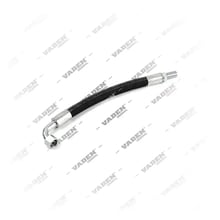
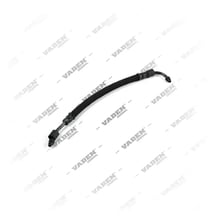
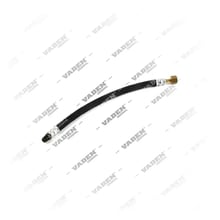
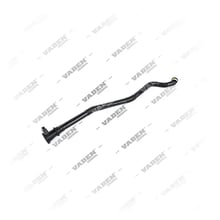
What Is a Compressor Parts Compressor Lubrication Pipe?
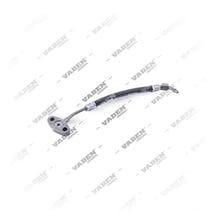
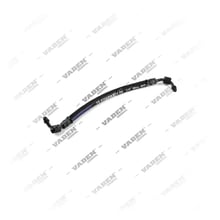
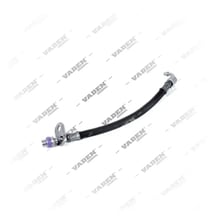
The Compressor Parts Lubrication Pipe is a metal or steel-lined connecting pipe that carries engine oil to the moving internal components of a heavy commercial vehicle's air brake compressor — the crankshaft, connecting rod, and cylinder bearing. It bridges the oil gallery in the engine block and the compressor housing, supplying the continuous oil flow the compressor needs to run. In the field this part is sometimes also called the "compressor oil pipe," "lubrication line," or "oil feed pipe." As the compressor converts engine motion into air pressure, it operates at high speed under constant friction; the uninterrupted oil supply delivered through the Compressor Parts Lubrication Pipe reduces friction and prevents overheating. If the pipe is damaged or blocked, the compressor is quickly starved of oil, which can lead to serious failures.
How Does the Compressor Lubrication Pipe Work?
While the engine runs, the oil pump feeds pressurized oil through the galleries in the engine block into the Compressor Parts Lubrication Pipe. The pipe directs this oil straight to the compressor's crankshaft bearing, connecting rod journals, and, where required, the cylinder wall. This forms a thin oil film between the moving metal surfaces that keeps friction and wear to a minimum. In some compressor designs the lubrication pipe supplies oil in one direction only, while in others a second return line carries oil from the compressor's internal sump back into the engine crankcase. The engine manufacturer sets the pipe's internal diameter and mounting angle so gravity and pressure carry the oil to exactly the right point; deviating from the original dimensions and geometry can result in inadequate lubrication.
Compressor Parts Compressor Lubrication Pipe Technical Specifications
- Material: Usually corrosion-resistant steel tubing or reinforced oil-resistant hose, fitted with leak-proof end connectors (banjo bolt, union nut).
- Pressure Rating: Designed to match the operating pressure of the engine oil pump; it should never fall below the pressure range specified by the vehicle manufacturer.
- Connection Ends: Manufactured to precise dimensions for the threaded or banjo connections on the engine block and compressor housing, and should never be swapped for similar-looking lines with different specs.
- Sealing Components: Copper or copper-alloy washers and O-rings prevent oil leaks at the connection points.
Pipe diameter and wall thickness vary with engine speed and compressor type, so checking the vehicle's engine code and chassis number is recommended to confirm exact compatibility.
Types and Subgroups of Compressor Lubrication Pipes
- Rigid Steel Lubrication Pipe: A vibration-resistant, fixed-route line carrying oil from the engine block to the compressor.
- Flexible Oil Feed Hose: A reinforced hose type used in applications where movement or mounting tolerance exists between the engine and compressor.
- Return (Sump) Line: A generally wider-diameter pipe that carries excess oil draining from the compressor back into the engine crankcase.
- Banjo-Connected Lubrication Pipe: Attaches to the engine block with a banjo bolt, sealed on both sides with copper washers.
- Filtered Lubrication Line: In some compressor designs, a small strainer fitted in the line traps particles from the oil before it reaches the compressor.
How to Choose the Right Compressor Lubrication Pipe
Choosing a Compressor Parts Lubrication Pipe means weighing the engine model, compressor type, and connection geometry together. A pipe with the wrong diameter or length can cause insufficient oil flow or premature cracking from installation stress. The table below summarizes the key selection criteria.
Compressor Parts Lubrication Pipe Selection Criteria| Criterion | Why It Matters |
|---|
| Engine and Compressor Match | Connection dimensions and routing vary by engine code; a mismatched part will leak |
| Pipe Inner Diameter | Too narrow causes insufficient oil flow, too wide can cause pressure loss |
| Material Quality | Heat- and vibration-resistant material lowers the risk of early cracking and leaks |
| Connection Gasket | Leak-proof assembly is impossible without an original-dimension copper washer |
| Rigid or Flexible Type | The correct type depends on the mounting tolerance between engine and compressor |
Checking the vehicle manufacturer's current service manual and original parts catalog before ordering prevents the wrong part being installed.
Compressor Lubrication Pipe Maintenance and Precautions
- Periodic Visual Inspection: During oil changes, check the pipe by eye for cracks, crushing, and signs of leakage.
- Connection Tightening Torque: Tighten banjo bolts and union nuts to the torque specified by the manufacturer; overtightening damages the threads and the gasket.
- Gasket Renewal: Whenever the pipe is removed and refitted, always replace the copper washer with a new one — never reuse the old gasket.
- Vibration and Friction Check: Make sure the pipe is not rubbing against another component; secure it with a clip if necessary.
- Correct Routing: Keep the pipe on its original route during installation; unnecessary bending causes fatigue cracking.
Common Failures and Their Solutions
- Oil Leak Around the Compressor: Usually caused by a worn banjo washer or a cracked pipe; renew the washer or replace the damaged pipe.
- Premature Compressor Wear or Seizure: Can result from a blocked or crushed lubrication pipe; clean or replace the line and check oil flow.
- Low Engine Oil Pressure Warning: A leak in the lubrication line can lower system pressure; check all connections and the pipe's overall condition.
- Heat and Soot Buildup Around the Pipe: Caused by small leaks mixing with accumulated oil over time; locate the source and renew the gasket or pipe.
- Vibration Noise After Installation: Occurs when the pipe is routed incorrectly or left unsecured; check the clips and reinstall it along the original route.
Why VADEN ORIGINAL?
The VADEN ORIGINAL Compressor Parts Lubrication Pipe is manufactured to OE dimensions with a wide range of OEM matches.
- OE-Dimension Manufacturing: Pipe diameter, length, and connection geometry are verified against original part references.
- Broad Vehicle Compatibility: Compatible with the Wabco and Knorr-Bremse compressors used by brands such as Mercedes-Benz, MAN, Scania, Volvo, DAF, Iveco, and Renault Trucks.
- Leak-Proof Installation: Correct material and gasket matching preserve oil flow performance and sealing after installation.
- Global Quality Assurance: VADEN ORIGINAL products are exported to more than 100 countries and pass through production processes tested under heavy-duty conditions.
Conclusion
The Compressor Parts Lubrication Pipe is an unseen but critical connection point for the reliable, long-lasting operation of an air brake compressor. A pipe fitted with the correct dimensions, an original gasket, and the specified torque protects the compressor against premature wear and supports the brake system's ongoing reliability. Choosing a lubrication pipe of VADEN ORIGINAL quality reduces both operating costs and the risk of failure.
Frequently Asked Questions (FAQ)
What does the Compressor Parts Lubrication Pipe do?
It carries pressurized oil from the engine's oil gallery to the moving parts of the air brake compressor, such as the crankshaft and connecting rod. This continuous oil flow reduces friction, prevents overheating, and extends the compressor's service life.
What are the signs of a failing lubrication pipe?
The most common signs are an oil leak around the compressor, a low engine oil pressure warning, premature compressor wear, and vibration noise near the mounting area. If any of these appear, the pipe and its connection gaskets should be checked immediately.
Should the gasket be renewed when replacing the lubrication pipe?
Yes, whenever the pipe is removed, the copper or copper-alloy gasket must always be replaced with a new one. Reusing the old gasket compromises the seal and quickly leads to another oil leak.
Should I use a rigid steel pipe or a flexible hose?
The choice depends on the mounting tolerance between the engine and compressor and on the vehicle's original design. A rigid steel pipe suits fixed-route applications, while a reinforced flexible hose is preferred where movement or vibration clearance is needed; the vehicle manufacturer's current service manual should be the final reference.
Which vehicles are VADEN ORIGINAL lubrication pipes compatible with?
VADEN ORIGINAL lubrication pipes are manufactured to OE dimensions for compatibility with the Wabco and Knorr-Bremse air brake compressors used by brands such as Mercedes-Benz, MAN, Scania, Volvo, DAF, Iveco, and Renault Trucks. Confirming compatibility using the engine code and chassis number before ordering is recommended.
Related technical guide: Air Brake Compressor: Faults, Replacement & Maintenance Guide