What is an accelerator pedal?
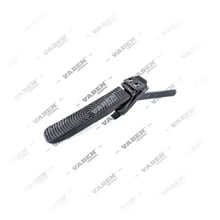
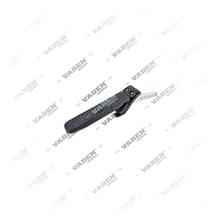
The accelerator pedal is a mechanical-electronic control unit located in the driver's cab, operated by foot, that transmits the engine's speed and load demand. It is produced as a suspended type (pivoted at the top) or a floor-mounted type (pivoted at the bottom); it houses a position sensor, a spring mechanism and generally a dual-circuit safety sensor. On some models the pedal also includes a kickdown switch, which triggers a downshift command in automatic-transmission vehicles when the pedal is pressed sharply.
What are the functions of an accelerator pedal?
The pedal's main function is to convert the driver's foot pressure into a proportional electrical signal and transmit it to the engine control unit.
- Speed demand transmission: Converts pedal press angle into a proportional signal and sends it to the ECU.
- Fuel injection control: The ECU adjusts fuel quantity and injection timing based on the incoming signal.
- Safety redundancy: With a dual-sensor architecture, allows the engine to enter safe mode if one sensor fails.
- Comfort: A smooth return spring mechanism gives the pedal a consistent press feel.
- Fuel economy support: Accurate signal transmission allows the engine management system to dose fuel more efficiently.
What are the symptoms of an accelerator pedal failure?
Faults in the accelerator pedal sensor or mechanism lead to irregular engine response and power restriction.
- Sudden power cut: The ECU may put the engine into idle mode when it detects inconsistency in the sensor signal.
- Unresponsive pedal: Engine speed does not increase despite pressing, or responds with a delay.
- Fault code: The engine warning light comes on and a pedal sensor code is stored.
- Mechanical stiffness: Hardening, squeaking or sticking at the pedal pivot on return.
- Higher fuel consumption: Inefficient fuel dosing by the engine management system due to a faulty signal.
How is an accelerator pedal inspected?
Inspection covers both the mechanical pivot movement and verifying the sensor signal accuracy with a diagnostic tool.
- Mechanical check: Verify the pedal's full press and release movement is smooth and unobstructed.
- Sensor signal: Measure the pedal position sensor's voltage output at idle and full press with a diagnostic tool.
- Dual-circuit comparison: Confirm the two sensor circuits move in parallel and proportionally to each other.
- Connector check: Check the wiring connections for corrosion or looseness.
- Fault memory scan: Read stored fault codes with a diagnostic tool to assess the frequency of signal dropouts.
What should be considered when replacing it?
Because it contains an electronic component, replacing the accelerator pedal requires careful connection and calibration.
- Correct connector match: The pedal socket must fully match the vehicle's wiring harness.
- Mounting torque: Pedal bracket bolts should be tightened to the manufacturer's value; the vehicle's current OE service manual is the reference for the exact value.
- Calibration check: On some systems, a pedal learning procedure with a diagnostic tool may be needed after replacement.
- Fault code clearing: Clearing old fault codes and verifying with a test drive after replacement is recommended.
How is the right accelerator pedal selected?
Selecting the correct pedal requires evaluating mounting type, number of sensors and connector structure together.
Accelerator pedal selection criteria| Criterion | Description |
|---|
| Mounting type | Suspended or floor-mounted pedal is chosen based on the vehicle's cab structure |
| Sensor architecture | Choose between single or dual-sensor versions to match the vehicle system |
| Connector type | A socket structure that fully matches the vehicle's wiring harness is required |
| OE reference | Should be cross-checked against the original equipment number |
| Arm geometry | Pedal arm length and press angle must suit cab ergonomics |
Maintenance and service life
Since the accelerator pedal is an electronic component, it does not require periodic lubrication; however, protecting the pivot points from dust and moisture extends its service life. Periodically checking the connector connections prevents signal interruptions caused by corrosion. Excessive moisture, vibration and wiring damage that carries a short-circuit risk are the main factors that shorten the pedal's service life. Dust and moisture accumulating on the cab floor can eventually reach the pedal pivot and create mechanical resistance, so regular cab cleaning indirectly supports pedal service life.
VADEN Accelerator Pedal
VADEN offers accelerator pedals matching OE dimensions and connector structure for heavy commercial vehicles. The products are included in the catalog with dual-sensor safety architecture versions and connector options specific to the vehicle model, each cross-referenced with the original part number.
Frequently Asked Questions (FAQ)
How does an accelerator pedal work
The pressure the driver applies to the pedal is converted into an electrical signal by a position sensor and transmitted to the engine control unit, which adjusts fuel injection accordingly.
Why does the engine enter power restriction when the accelerator pedal fails
When the ECU detects inconsistency in the sensor signal, it puts the engine into idle or limited power mode for safety.
Is calibration needed after replacing the accelerator pedal
On some vehicle systems, a pedal learning procedure with a diagnostic tool may be required after replacement.
Why is a dual sensor used in the accelerator pedal
If one sensor fails, the other sensor circuit provides redundancy that allows the engine to continue operating safely.
How do you choose the correct accelerator pedal
Choose a pedal matching the vehicle's mounting type (suspended or floor), sensor architecture and connector structure, matched to the correct OE reference number.
Related technical guide: Crankshaft Seal Oil Leak: Symptoms and Causes