
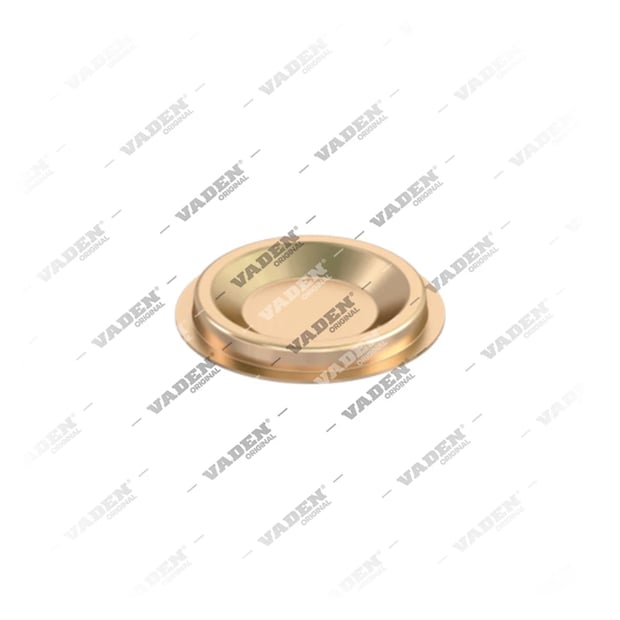
9000 02 203 Compressor Plug Ø 52 for Air Brake Kits
9000 02 203
Summary
This Ø 52 compressor plug is a critical component within air brake compressor repair kits. Designed with high-strength materials to ensure secure sealing and durability in heavy commercial vehicle pneumatic systems. Suitable for professional workshop technicians and fleet maintenance.
| EAN Code | 8683457003026 |
|---|
Ready to Order
Description
What does a compressor plug do?
This compressor plug serves as a vital sealing component within the air brake compressor assembly. It is engineered to maintain system pressure and prevent air leaks, ensuring the overall reliability of the pneumatic braking system under heavy-duty operating conditions.Compatibility and application
This part is designed for use within various air brake compressor repair kits. It is an essential component for maintaining the integrity of the compressor housing and ensuring optimal performance during service intervals.Installation and maintenance
Installation requires precise fitment to ensure a leak-free seal. Technicians should inspect the threading and surface integrity of the plug during every service to prevent pressure drops within the braking system.System reliability
When replacing components, ensure that all connection points are cleaned and that the plug is tightened to the manufacturer's recommended torque to maintain system stability.Technical Specifications
| Number of Packages | 10 |
|---|
FAQ
What is the function of this compressor plug?
The plug acts as a critical sealing element within the air brake compressor, preventing air leakage and maintaining the necessary pressure for the braking system.
What material is used for this component?
This component is manufactured using high-strength materials designed to withstand heavy-duty operating conditions in pneumatic systems.
Can this be used in any air brake system?
This specific Ø 52 plug is intended for use within compatible air brake compressor repair kits designed for heavy commercial vehicles.
How can I identify if a plug needs replacement?
Technicians should look for signs of air leakage, pressure drops in the pneumatic system, or visible wear on the plug's sealing surface during inspections.