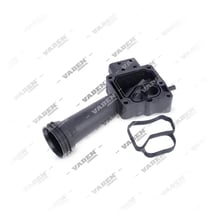
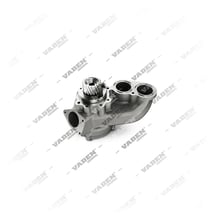
What Is a Water Pump?
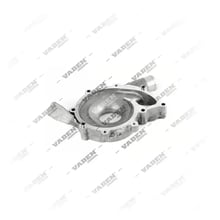
A water pump (also called a coolant pump) is a belt-driven or electrically driven component that circulates coolant from the radiator to the engine and back, keeping the cooling system in constant motion. It sits at the front of the engine and is typically driven by the accessory belt or timing belt, spinning an impeller that pushes coolant flow up or down with engine speed. On heavy-duty trucks, the engine runs under high load for long stretches, making the water pump one of the hardest-working parts of the cooling system, turning thousands of times an hour to move hot coolant continuously. When a water pump fails, symptoms like coolant leaks, bearing wear or gasket failure appear, and if left unaddressed the sealing surface between the pump and engine block can erode, preventing even a new pump from seating correctly. That is why on Mercedes-Benz, MAN, Scania, Volvo, DAF, Iveco, Renault, BMC and Ford heavy-duty engines, checking or renewing the water pump alongside a timing belt or alternator belt change is standard practice.
What Does a Water Pump Do?
- Circulates coolant: Continuously moves coolant between the engine block, cylinder head and radiator to transfer heat away from the engine.
- Prevents overheating: Removes excess combustion heat from the engine, protecting components from melting, gasket failure and accelerated wear.
- Maintains optimum engine temperature: Keeps the engine within the manufacturer's ideal operating range, supporting efficient combustion and lower fuel consumption.
- Matches flow to engine speed: On mechanical (belt-driven) pumps, coolant flow rises with engine RPM, increasing cooling capacity exactly when the engine works hardest.
- Works with the thermostat: Coordinates with the thermostat and bypass circuit so coolant stays in short-loop circulation until warm-up, then routes to the radiator.
- Protects other cooling components: Keeps pressure balanced across the radiator, hoses and engine coolant passages, extending the service life of the whole system.
Water Pump Specifications
| Specification | Description |
|---|
| Part name | Water Pump / Coolant Pump |
| System | Engine Cooling System |
| Function | Circulates coolant between the engine and radiator |
| Drive type | Belt-driven mechanical pump (V-belt / timing belt) or electric pump |
| Main components | Pump housing, impeller, shaft, bearing, mechanical seal, gasket |
| Housing material | Cast iron, aluminum alloy or composite housing options |
| Failure indicators | Coolant leaking from weep hole, bearing play, noise |
| Replacement guidance | Inspect or renew together with timing belt / alternator belt service |
| Vehicle class | Heavy-duty trucks, tractor units, buses and off-road/construction machinery engines |
| Product range | 294 different water pump references in this category |
Water Pump Types and Related Parts
- Mechanical (belt-driven) water pump: Driven off the crankshaft via belt and pulley; the most common type on heavy-duty engines, with flow tied directly to engine speed.
- Electric water pump: Controlled independently by the engine management system, able to keep circulating coolant even at idle; used on some modern and hybrid drivetrains.
- Variable-flow (controlled) water pump: Adjusts coolant flow electronically or mechanically to match thermal load, improving fuel efficiency compared with fixed-flow designs.
- Impeller: The rotating vaned part, made of plastic or metal alloy, that drives coolant radially outward; prone to erosion and cavitation damage.
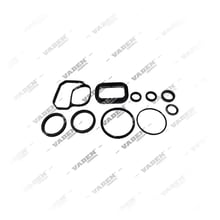
- Mechanical seal and gaskets: Seal the gap between the pump shaft and housing, preventing coolant leaks; a common wear item.
- Bearing assembly: Keeps the pump shaft spinning smoothly without vibration; wear here produces noise and eventually leaks.
- Related cooling system parts: The water pump works alongside the thermostat, radiator, coolant hoses and fan belt as part of the full engine cooling system.
Water Pump Maintenance
- Regular leak checks: Inspect the pump housing, weep hole and gasket surfaces periodically for coolant leaks.
- Belt tension and wear inspection: Check the tension and condition of the drive belt regularly; replace hardened or cracked belts promptly.
- Bearing play check: With the belt removed, check for axial or radial play in the pump shaft; replace the pump if play is excessive.
- Coolant quality maintenance: Change coolant at the manufacturer's recommended intervals; degraded or acidic coolant corrodes internal metal and seal surfaces.
- Inspect together with belt service: Check or preventively renew the water pump when replacing the timing belt or alternator belt to avoid repeat labor costs.
- Monitor noise and vibration: Abnormal humming, squealing or vibration from the pump while the engine runs can be an early sign of bearing or impeller failure.
- Use genuine-quality replacement parts: Choose OE-standard water pumps such as VADEN ORIGINAL for reliable sealing and durability.
Common Water Pump Faults and Fixes
- Coolant leak: Coolant weeping from the drain hole or gasket area indicates a failed mechanical seal; the pump and gasket set should be replaced as a unit.
- Bearing failure: Worn bearings cause shaft play and noise, and over time can crack the housing; left undiagnosed, this progresses to external leaking and requires pump replacement.
- Impeller damage and cavitation: Debris in the coolant or low flow can pit and erode the impeller, reducing cooling capacity and requiring pump replacement.
- Engine overheating: If circulation is insufficient even while the pump turns, engine temperature climbs quickly; cold cabin heater hoses are a telltale sign the pump isn't moving coolant.
- Unusual noise (squealing, humming): High-pitched squealing or humming usually points to bearing wear; confirm the source with a mechanic's stethoscope and replace the pump if needed.
- Belt-related stress: A loose or over-tensioned belt can cause premature pump shaft fatigue; belt tension should be set correctly and checked alongside the pump.
Why Choose VADEN ORIGINAL Water Pumps?
- Built for high heat and pressure: Long-life housing and impeller materials engineered for the demanding duty cycles of heavy-duty engines.
- OE-standard manufacturing: Full compatibility with Mercedes-Benz, MAN, Scania, Volvo, DAF, Iveco, Renault and BMC engines at original equipment quality.
- Leak-proof sealing: Quality mechanical seals and gaskets minimize the risk of coolant leaks.
- Wide product range: 294 different water pump references in this category covering a broad range of vehicles and engine types.
- Low failure rate, long service life: Precision bearing and impeller manufacturing sustains cooling performance over time and reduces maintenance costs.
Frequently Asked Questions (FAQ)
What is a water pump and what does it do?
A water pump is the cooling system component that continuously circulates coolant between the engine and radiator, keeping the engine at its optimum operating temperature. On heavy-duty vehicles, it prevents overheating and extends engine life.
What are the symptoms of a bad water pump?
Common symptoms include coolant leaking from the weep hole, engine overheating, cold cabin heater output, bearing play, and squealing or humming noises from the pump.
When should a water pump be replaced?
It's generally recommended to inspect or preventively replace the water pump whenever the timing belt or alternator belt is changed. If you notice leaks, unusual noise or bearing play, replace it right away rather than waiting.
Can you drive with a failing water pump?
A failing water pump disrupts coolant circulation and can cause the engine to overheat rapidly. This can permanently damage the engine block, cylinder head and gaskets, so the vehicle should not be driven and the pump should be replaced as soon as possible.
What's the difference between a mechanical and an electric water pump?
A mechanical water pump is belt-driven and its flow is tied to engine speed, while an electric water pump is controlled independently by the engine management system and can adjust coolant flow as needed, even at idle. Mechanical pumps remain the standard on heavy-duty engines.
Which trucks and engines is a VADEN ORIGINAL water pump compatible with?
VADEN ORIGINAL water pumps are available for a wide range of Mercedes-Benz, MAN, Scania, Volvo, DAF, Iveco, Renault, BMC and Ford heavy-duty truck, tractor unit, bus and construction machinery engines.
Conclusion
The water pump (coolant pump) is the heart of the cooling system in heavy-duty vehicles, preventing engine overheating and protecting long-term reliability. Catching leaks, bearing wear or impeller damage early has a direct impact on how long and how efficiently an engine runs. VADEN ORIGINAL water pumps are built to withstand the demanding conditions of heavy-duty engines, manufactured to OE standards with a wide compatibility range. Don't skip regular maintenance and genuine parts if you want safe, uninterrupted operation on the road.
Related technical guide: Water Pump · Download PDF
Related articles: What is a Water Pump in Commercial Vehicles? Tasks, Failures and Maintenance Recommendations