What Is a Clutch Release Bearing?
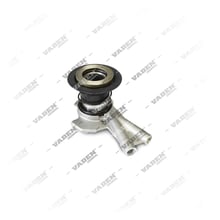
A clutch release bearing is the moving component of the clutch system that controls power transfer between the engine and the gearbox on heavy-duty vehicles. When the driver presses the clutch pedal, the release bearing moves against the diaphragm spring fingers, lifting the pressure plate and freeing the clutch disc so the driver can shift gears. Releasing the pedal retracts the bearing, letting the pressure plate clamp the clutch disc back against the flywheel and restore power flow to the transmission. Because trucks, tractor units, buses, and trailers operate under continuous, high-torque duty cycles, the release bearing must be built from durable materials and must engage with precise timing to avoid premature wear.
Functions of the Clutch Release Bearing
- Force transfer: Carries the force from the clutch pedal (or slave cylinder) to the pressure plate, managing the engine-to-gearbox connection.
- Smooth gear changes: Separates the clutch disc from the flywheel so the transmission can shift gears cleanly and quietly.
- Vibration reduction: Minimizes mechanical stress and vibration between the engine and gearbox, improving driving comfort.
- Rotating-to-stationary interface: Provides a low-friction, low-wear contact point between the rotating clutch assembly and the stationary pedal or actuator linkage.
- Consistent power delivery: Keeps engine power flowing to the transmission without loss, even under sustained high-torque loads.
Clutch Release Bearing Specifications
| Specification | Details |
|---|
| Part type | Clutch release bearing / throw-out bearing |
| Application | Heavy-duty truck, tractor unit, bus, and trailer clutch systems |
| Operating principle | Transfers clutch pedal or actuator movement to the diaphragm spring to engage the pressure plate |
| Material | Heat- and friction-resistant steel bearing housing with high-temperature-rated lubrication |
| Typical service interval | Approximately 150,000-200,000 km, depending on operating conditions |
| Compatible brands | Mercedes-Benz, MAN, Scania, Volvo, DAF, Iveco, Renault, BMC, Ford |
| VADEN ORIGINAL range | Available in 4 part numbers covering a wide range of vehicle applications |
Types of Clutch Release Bearings
- Mechanical release bearing: Transfers pedal force through a direct mechanical linkage (cable or lever system); common on older-generation heavy-duty vehicles.
- Hydraulic release bearing (concentric slave cylinder): Operates under hydraulic pressure as part of the clutch hydraulic circuit; found on most modern Mercedes-Benz, MAN, and Scania models.
- Self-adjusting release bearing: Automatically compensates for clutch disc wear, keeping pedal feel consistent throughout the bearing's service life.
- Fixed-mount release bearing: A heavy-duty design with fixed mounting points engineered for specific vehicle and gearbox combinations that need higher torque capacity.
Clutch Release Bearing Maintenance and Inspection
- Routine inspection: Check the release bearing without delay if you notice noise, stiffness, or vibration during gear changes.
- Lubrication: On mechanical-type bearings, lubricate the bearing and contact surfaces with the manufacturer-recommended grease at the specified intervals.
- Replace with the clutch kit: Renewing the release bearing at the same time as the clutch disc and pressure plate avoids a second labor charge down the road.
- Replacement timing: Plan for replacement around 150,000-200,000 km, or sooner for vehicles in heavy-duty or stop-and-go use.
- Use genuine-quality parts: Fitting OEM-grade parts like VADEN ORIGINAL lowers the risk of early failure and helps preserve warranty coverage.
Common Failures and Fixes
- Noise when shifting (chirping or rattling): A ticking or grinding sound during gear changes points to bearing wear or insufficient lubrication; inspect and replace as needed.
- Hard or notchy gear changes: Stiffness or incomplete disengagement when the pedal is pressed can indicate a faulty release bearing or a hydraulic system fault.
- Overheating: Constant friction or incorrect adjustment can overheat the bearing, leading to reduced performance and premature failure.
- Vibration or shuddering: A worn or unevenly running release bearing causes noticeable vibration when the clutch pedal is pressed or during gear changes.
- Free play in the clutch pedal: Wear in the bearing or linked components upsets pedal feel, making gear changes unpredictable.
- Recommended fix: Have the system inspected by a qualified workshop, replace the part with a genuine component, and check the rest of the clutch kit at the same time.
Why Choose VADEN ORIGINAL Release Bearings?
- Durable, wear-resistant construction: Manufactured from heat- and friction-resistant materials for long-lasting performance.
- Vibration-dampening design: Reduces mechanical stress between engine and gearbox for improved driving comfort.
- Optimized for heavy-duty conditions: Delivers reliable operation under demanding routes and high loads.
- Broad brand and model coverage: Application options for Mercedes-Benz, MAN, Scania, Volvo, DAF, Iveco, Renault, and BMC vehicles.
- OEM quality standard: Manufactured to original equipment specifications for secure fitment and dependable long-term performance.
Frequently Asked Questions (FAQ)
What does a clutch release bearing do?
The clutch release bearing (throw-out bearing) presses against the diaphragm spring when the clutch pedal is engaged, temporarily disconnecting the engine from the gearbox so the driver can shift gears.
What are the symptoms of a failing release bearing?
Common warning signs include a chirping or grinding noise when the clutch is engaged, stiff or notchy gear changes, overheating, and vibration felt through the clutch pedal.
How many miles or kilometers does a release bearing last?
Most release bearings last around 150,000-200,000 km, though heavy-duty use, frequent city driving, or towing can shorten that interval.
Should the clutch kit be replaced along with the release bearing?
Yes, replacing the release bearing at the same time as the clutch disc and pressure plate is recommended, since it avoids a repeat labor charge and extends overall system life.
Which trucks and vehicles fit VADEN ORIGINAL release bearings?
VADEN ORIGINAL release bearings are manufactured for Mercedes-Benz, MAN, Scania, Volvo, DAF, Iveco, Renault, BMC, and Ford heavy-duty models; always confirm exact fitment using the vehicle's chassis or VIN number.
What is the difference between a mechanical and a hydraulic release bearing?
A mechanical release bearing transfers pedal force through a cable or lever linkage, while a hydraulic type (concentric slave cylinder) is actuated by hydraulic pressure; most modern heavy-duty vehicles use the hydraulic design.
Conclusion
The clutch release bearing manages power transfer between engine and gearbox, making it a foundational part of safe, comfortable driving in heavy-duty vehicles. Catching warning signs early, such as noise, hard shifting, or vibration, protects both driving safety and the rest of the drivetrain from more expensive damage down the line. VADEN ORIGINAL release bearings combine OEM-grade materials with engineering built for heavy-duty conditions, delivering a dependable, long-lasting replacement part for Mercedes-Benz, MAN, Scania, Volvo, DAF, Iveco, Renault, and BMC vehicles.