What Is an Intake/Exhaust Pipe?
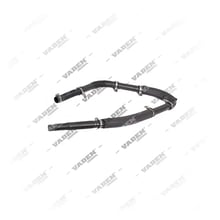
An intake or exhaust pipe is the main duct that carries air into a heavy-duty engine or carries burned gases out of it. The intake pipe draws in fresh outside air, passes it through the air filter, and delivers it to the turbo or combustion chamber; the exhaust pipe then routes the resulting gases through the catalytic converter and muffler before they leave the vehicle. Getting the diameter, seal quality and build material right on these pipes is essential for both engine efficiency and emissions control.
What Does the Pipe Do?
- Air Supply: The intake pipe draws clean outside air and delivers it to the engine for combustion.
- Engine Performance: Steady, unrestricted airflow keeps the engine running strong and efficiently.
- Lower Fuel Consumption: A well-sealed intake tract trims fuel use and cuts running costs.
- Gas Evacuation: The exhaust pipe safely carries post-combustion gases away from the engine.
- Emissions Control: The exhaust pipe directs gas flow into the catalytic converter, helping reduce harmful emissions.
- Noise Reduction: Working with the muffler, the exhaust pipe helps bring engine noise down to acceptable levels.
Technical Specifications
| Specification | Detail |
|---|
| Product Group | Pipe (Intake Pipe / Exhaust Pipe) |
| Parent System | Exhaust System |
| Application | Heavy-duty trucks, tractor units, buses and trailers |
| Pipe Types | Intake (air induction) pipe and exhaust (gas discharge) pipe |
| Material | Corrosion-resistant steel, aluminized or stainless sheet, and durable reinforced hose/pipe sections |
| Connecting Parts | Clamps, gaskets and bellows (flexible) connectors |
| Compatible Brands | Mercedes-Benz, MAN, Scania, Volvo, DAF, Iveco, Renault, BMC, Ford; compatible with Wabco / Knorr-Bremse equipped vehicles |
| Standard | OEM-standard dimensions and connection fit |
Pipe Types and Related Parts
- Intake Pipe: Carries clean, filtered air to the engine, typically connecting to the turbo or air box.
- Exhaust Pipe: The main gas discharge line, carrying exhaust gases from the engine to the catalytic converter and muffler.
- Catalytic Converter Connecting Pipe: Routes exhaust gas into the catalytic converter so harmful emissions can be reduced.
- Muffler Inlet/Outlet Pipe: Carries gas flow into and out of the muffler as part of the noise-reduction process.
- Flexible Connector Pipes (Bellows): Absorb engine movement and vibration, reducing stress and crack risk along the pipe run.
Pipe Maintenance
- Regular Inspection: Check intake and exhaust pipes periodically for cracks, holes or corrosion.
- Seal Checks: Inspect clamps and gaskets at every pipe joint for tightness and condition.
- Air Filter Care: Keep the air filter feeding the intake pipe clean to stop dust and debris reaching the engine.
- Use Genuine Parts: Choose trusted brands like VADEN ORIGINAL to protect engine performance and emissions compliance.
- Professional Installation: Have pipe replacement and connections carried out by a qualified technician.
Common Faults & Fixes
- Air Leak (Intake Side): Cracked joints or loose clamps let air escape and cut engine performance; replace worn gaskets and clamps.
- Exhaust Gas Leak: Corrosion or a hole in the exhaust pipe causes gas leaks and unusual noise; replace the damaged section.
- Excessive Noise: Damage at the exhaust pipe or muffler joint raises noise levels; inspect the pipe and its connectors.
- Rising Fuel Consumption: A blocked or leaking intake pipe starves the engine of air and pushes fuel use up; check the pipe and filter.
- Vibration-Induced Cracking: Worn flexible connectors or bellows let vibration reach the pipe run and cause cracking over time; replace worn bellows.
Why Choose VADEN ORIGINAL?
- Durable Materials: Built from materials highly resistant to corrosion and harsh road conditions.
- Emissions-Friendly Design: Leak-tight, OEM-standard pipe connections that support proper emissions control.
- Broad Vehicle Coverage: Intake and exhaust pipes fitted for Mercedes-Benz, MAN, Scania, Volvo, DAF, Iveco, Renault and more.
- Technical Support: Expert guidance available for part selection and installation.
Frequently Asked Questions (FAQ)
What does an intake pipe do on a truck?
The intake pipe draws clean outside air through the air filter and delivers it to the engine's combustion chamber. A properly functioning intake pipe improves engine performance and helps lower fuel consumption.
How can you tell if an exhaust pipe has failed?
Corrosion, holes or a loose joint in the exhaust pipe usually show up as an unusual gas-leak noise, louder-than-normal exhaust, or, in some cases, exhaust smell entering the cab. Any of these signs means the pipe and its connectors should be inspected.
What's the difference between an intake pipe and an exhaust pipe?
The intake pipe carries clean air to the engine, while the exhaust pipe routes combustion gases out through the catalytic converter and muffler. Both are essential for smooth engine operation, but they perform opposite jobs.
How does an air or gas leak in the pipework affect engine performance?
A leak on the intake side starves the engine of air, raising fuel consumption and cutting power. A leak on the exhaust side disrupts gas flow, increases noise, and can push emissions out of spec.
Which heavy-duty vehicles is this pipe compatible with?
VADEN ORIGINAL intake and exhaust pipes cover a wide range of heavy-duty vehicles, including Mercedes-Benz, MAN, Scania, Volvo, DAF, Iveco, Renault, BMC and Ford. Always confirm exact fitment against your vehicle model and OE part number.
How often should intake and exhaust pipes be inspected?
Check intake and exhaust pipes visually at every scheduled service, and inspect clamps, gaskets and bellows regularly for condition. Replace any part showing cracks, holes or looseness right away rather than waiting for the next service interval.
Conclusion
Whether on the intake or exhaust side, the pipe is a small component with an outsized effect on a heavy-duty vehicle's engine performance and environmental footprint. Routine inspection and choosing quality pipework keep the engine running efficiently and emissions within spec. VADEN ORIGINAL pipes deliver both stronger performance and a cleaner-running vehicle, so genuine parts keep your truck, bus or trailer reliable for years of service.