What Is a Cooling Fan?
A cooling fan is the component in a heavy-duty engine's cooling system that draws hot air through the radiator to stop the engine from overheating. As the engine runs, coolant absorbs heat and passes through the radiator; the fan pulls ambient air across the radiator core, dissipating that heat before the cooled coolant is recirculated back through the engine block. In trucks, tractor units, buses, and trailers, the fan has to withstand constant high engine loads, and its condition has a direct impact on engine performance, fuel economy, and overall engine life.
What Does a Cooling Fan Do?
- Cools the Engine: Draws hot air out through the radiator so coolant temperature stays within a safe operating range.
- Prevents Overheating: Protects the engine block and coolant from excessive heat buildup, reducing the risk of heat-related failures.
- Maintains Performance: Keeps the engine at its optimal operating temperature for consistent power and efficiency.
- Supports Fuel Efficiency: Electric and viscous fans engage only as needed, cutting parasitic power loss and unnecessary fuel use.
- Extends Engine Life: Stable temperature control reduces premature wear on internal engine components.
Cooling Fan Specifications
| Specification | Detail |
|---|
| Product Group | Cooling Fan |
| System | Engine Cooling System |
| Application | Heavy-duty trucks, tractor units, buses and trailers |
| Fan Types | Mechanical fan, electric fan, viscous (fan clutch) fan |
| Material | Durable plastic or metal fan housing and blades |
| Drive Method | Direct engine drive, electric motor drive, or heat-sensitive viscous clutch drive |
| Compatible Brands | Mercedes-Benz, MAN, Scania, Volvo, DAF, Iveco, Renault, BMC, Ford |
| Standard | Manufactured to OEM (original equipment) standards |
Types of Cooling Fans
- Mechanical Fans: Driven directly off the engine, this classic design has few moving parts, needs minimal upkeep, and draws no extra electrical power, though it can lose efficiency at low engine RPM.
- Electric Fans: Driven by an electric motor and controlled by heat sensors, these fans run independently of engine speed, delivering effective cooling at idle and low speed while saving fuel.
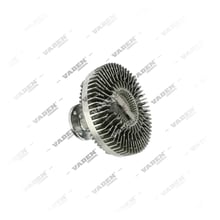
- Viscous Fans (Fan Clutch): Use a heat-sensitive viscous clutch to automatically adjust fan speed to engine temperature, cutting wasted energy while still delivering efficient cooling when it's needed.
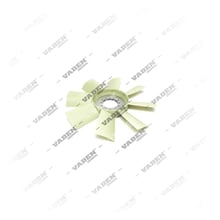
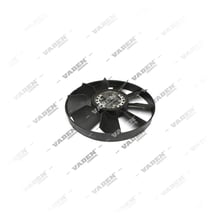
- Fan Blades: Generate the airflow through the radiator core; made from materials engineered to resist cracking and blade failure under constant vibration.
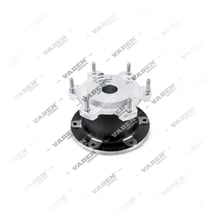
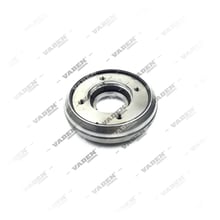
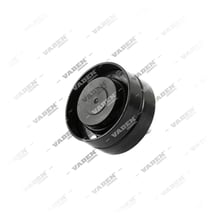
- Viscous Clutch & Mounting Hardware: Wear-resistant components that couple the fan to the engine's crankshaft or to an electric drive motor.
Cooling Fan Maintenance
- Check Mountings: Inspect fan mounting bolts and drive belts regularly, and tighten any that have worked loose.
- Check for Vibration: Listen and feel for abnormal vibration while the fan is running, an early sign of imbalance or damage.
- Inspect Blades: Replace any cracked or broken fan blades promptly; damaged blades disrupt airflow and can accelerate overheating.
- Inspect the Viscous Clutch: On viscous fan clutch setups, check regularly for silicone fluid leaks that reduce clutch performance.
- Use Genuine Parts: Fit VADEN ORIGINAL parts to keep cooling performance consistent and reliable.
Common Cooling Fan Problems and Fixes
- Engine Overheating: A failing fan lets engine temperature climb quickly; inspect the blades, clutch, and mounting hardware and replace whichever part has failed.
- Cracked or Broken Fan Blades: Damaged blades cause uneven airflow and vibration; the whole fan blade assembly should be replaced rather than repaired.
- Viscous Clutch Fluid Leak: A leaking fan clutch runs inefficiently and causes erratic fan speed; the viscous clutch unit needs to be replaced.
- Electric Fan Not Engaging: A faulty sensor or motor prevents the fan from switching on; check the wiring, sensor, and fan motor.
- Unusual Noise or Vibration: Often caused by loose mounting hardware, an unbalanced blade, or worn bearings; tighten or replace the affected parts.
Why Choose VADEN ORIGINAL?
- OEM-Grade Manufacturing: Built to original equipment standards for dependable, consistent performance.
- Heat-Resistant Materials: Constructed from materials that withstand high operating temperatures for a longer service life.
- Strong Airflow Design: Optimized blade geometry delivers efficient engine cooling under heavy load.
- Broad Coverage: Fitments available for Mercedes-Benz, MAN, Scania, Volvo, DAF, Iveco, Renault, and more.
Frequently Asked Questions (FAQ)
What does a cooling fan do on a truck?
It draws hot air through the radiator, keeping engine coolant temperature within a safe range and protecting the engine from overheating during heavy-duty operation.
What happens if the engine cooling fan fails?
The engine can overheat, lose power, and burn more fuel. Left unchecked it can lead to serious engine damage, so a failed fan should be inspected and replaced as soon as possible.
What's the difference between mechanical, electric, and viscous cooling fans?
A mechanical fan is driven directly by the engine and needs little upkeep. An electric fan uses a sensor-controlled motor to cool independently of engine speed, saving fuel. A viscous (fan clutch) fan uses a heat-sensitive clutch to vary its speed automatically with engine temperature.
When should a truck cooling fan be replaced?
Replace the fan if the blades are cracked or broken, if it vibrates or makes unusual noise while running, if the viscous clutch is leaking fluid, or if the engine is overheating frequently.
Should I choose an electric or mechanical cooling fan?
Choose an electric fan for better fuel efficiency and strong low-speed cooling; choose a mechanical fan for simplicity, low maintenance, and durability. The right choice depends on the vehicle model and duty cycle.
Which trucks are VADEN ORIGINAL cooling fans compatible with?
VADEN ORIGINAL cooling fans are available for a wide range of heavy-duty trucks, tractor units, buses, and trailers, including Mercedes-Benz, MAN, Scania, Volvo, DAF, Iveco, Renault, BMC, and Ford. Always confirm exact fitment using your vehicle and OE part number.
Conclusion
The cooling fan is one of the most critical parts of a heavy-duty engine's cooling system, standing between normal operation and costly overheating damage. Choosing the right fan type for your application and keeping up with regular maintenance protects engine performance and helps control fuel costs. With OEM-standard, heavy-duty engine cooling fans from VADEN ORIGINAL, you can keep your truck's cooling system reliable, extend engine life, and stay safer on the road.
Related technical guide: Viscous Fan Clutch · Download PDF