What Is an EGR Valve?
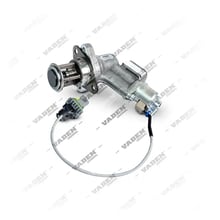
An EGR valve is an Engine system component that redirects a portion of the engine's exhaust gas back into the combustion chamber, lowering combustion temperature and reducing NOx (nitrogen oxide) emissions. Working on the Exhaust Gas Recirculation (EGR) principle together with its companion EGR flap, this valve enables cleaner combustion and lower fuel consumption in heavy-duty diesel engines. As a spare part, the EGR valve is essential for meeting Euro 5 and Euro 6 emission standards in trucks, tractor units, buses, trailer-towing tractors and construction machinery. It is widely used across heavy-duty diesel engines from Mercedes-Benz, MAN, Scania, Volvo, DAF, Iveco, Renault and BMC.
Functions of the EGR Valve
- Recirculating Exhaust Gas: Routes a metered portion of exhaust gas back into the combustion chamber, lowering engine temperature and cutting emissions.
- Reducing NOx Emissions: Lowers the NOx gases produced by high diesel combustion temperatures, helping the engine meet emission standards.
- Supporting Fuel Economy: Lowers combustion temperature so the engine runs more efficiently, reducing fuel consumption.
- Extending Engine Life: Minimizes premature wear on pistons, valves and cylinders caused by excessive combustion temperatures.
- Working in Sync with the Turbo System: Optimizes the combustion process in turbodiesel engines, helping the turbo system run more efficiently.
- Ensuring Emission Compliance: Delivers cleaner engine performance in line with current Euro 5 and Euro 6 emission regulations.
EGR Valve Technical Specifications
| Specification | Description |
|---|
| Part Group | Engine system / Emission control components |
| Function | Redirects exhaust gas into the combustion chamber to reduce NOx emissions |
| Control Type | Pneumatic or electronic (managed by the engine control unit) |
| Compatible Fuel Type | Heavy-duty diesel engines |
| Material | Metal alloy resistant to high temperatures and exhaust gas corrosion |
| Application | Trucks, tractor units, buses, trailer-towing tractors, construction machinery |
| Related Components | EGR flap, EGR cooler, air manifold, exhaust sensors |
| Common Brand Compatibility | Mercedes-Benz, MAN, Scania, Volvo, DAF, Iveco, Renault, BMC, Ford |
| Variants in This Product Category | 6 |
EGR Valve Types and Related Components
- Pneumatically Controlled EGR Valve: A classic EGR valve design that opens and closes via vacuum or air pressure, with a simpler construction.
- Electronically Controlled EGR Valve: A modern EGR valve managed in real time by the engine control unit (ECU), offering precise emission control.
- EGR Flap: Works alongside the EGR valve to regulate the direction and volume of exhaust gas flow.
- EGR Cooler: Lowers exhaust gas temperature before it reaches the combustion chamber, protecting both the valve and the engine.
EGR Valve Maintenance and Cleaning
- Remove the Valve and Connections: Take care not to damage sensor wiring or connection gaskets when removing the EGR valve.
- Use a Carbon Cleaning Spray: Clean the interior, inlet/outlet ports and flap surfaces with a dedicated carbon-dissolving spray.
- Inspect the Air Manifold: Check whether carbon deposits have reached the manifold and clean it as well if necessary.
- Check Electronic Connections: Inspect sensor and valve motor connections for faults and replace them if needed.
- Reassemble and Test the System: Refit all parts in the correct order after cleaning and confirm the engine runs smoothly.
- Follow a Regular Maintenance Schedule: Prevent carbon buildup by servicing the valve at the mileage intervals recommended by the manufacturer.
Common Failures and Solutions
- EGR Valve Sticking or Clogging: Carbon buildup prevents the valve from opening and closing properly; regular carbon cleaning resolves this.
- Power Loss and Engine Hesitation: A faulty EGR valve disrupts the air-fuel mixture; electronic diagnostics and, if needed, valve replacement are required.
- Black Smoke from the Exhaust: Insufficient oxygen prevents complete combustion; cleaning or replacing the valve and flap resolves this.
- Increased Fuel Consumption: A malfunctioning EGR valve makes the engine burn more fuel; replacement with an original spare part is recommended.
- Fault Codes and Check Engine Warning: Sensor failure on electronically controlled valves can trigger the engine warning light; ECU diagnostics are needed to pinpoint the issue.
- Excessive Carbon Buildup: Low-quality fuel or neglected maintenance accelerates carbon accumulation; periodic cleaning and genuine parts help prevent this.
Why Choose a VADEN ORIGINAL EGR Valve?
- Superior Durability: Built from materials resistant to high heat and exhaust gas corrosion for long-lasting use.
- Fuel Economy: Helps the engine run more efficiently, optimizing fuel consumption.
- Environmentally Friendly Design: Reduces NOx emissions to meet Euro 5 and Euro 6 emission standards.
- Full Turbo System Compatibility: Works seamlessly with high-performance diesel engines and turbo systems.
- OEM-Standard Manufacturing: Produced to the original equipment standards of Mercedes-Benz, MAN, Scania, Volvo, DAF, Iveco, Renault, BMC and Ford.
- Wide Product Range: Offers 6 EGR valve variants within the Engine category, fitted to different vehicle models.
Frequently Asked Questions (FAQ)
What does an EGR valve do?
An EGR valve redirects a portion of exhaust gas back into the combustion chamber, lowering combustion temperature, reducing NOx emissions and supporting better fuel economy.
What happens when an EGR valve fails?
A faulty EGR valve can cause power loss, engine hesitation, black smoke from the exhaust and increased fuel consumption.
How do you clean an EGR valve?
Remove the valve, clean the interior and inlet/outlet ports with a carbon-cleaning spray, check the air manifold for buildup, then reassemble and test the system.
How often should an EGR valve be replaced?
Service life depends on driving conditions and fuel quality; regular cleaning and inspection are recommended, with replacement using a genuine part when needed.
Can you delete or disable an EGR valve?
EGR delete violates emission regulations and can trigger fault codes and void warranty coverage; replacing the faulty valve with a genuine EGR valve is the recommended fix instead.
Which trucks use an EGR valve?
EGR valves are widely used in diesel engines from Mercedes-Benz, MAN, Scania, Volvo, DAF, Iveco, Renault, BMC and Ford, across trucks, tractor units, buses and construction machinery.
Conclusion
The EGR valve is a critical component of the heavy-duty Engine system, reducing exhaust emissions, improving fuel economy and extending engine life. Regular maintenance, proper cleaning practices and genuine spare parts keep the engine running efficiently and reliably. VADEN ORIGINAL EGR valves combine outstanding durability, an environmentally friendly design and OEM-standard manufacturing quality, making them one of the most trusted spare part choices for heavy-duty engines from Mercedes-Benz, MAN, Scania, Volvo, DAF, Iveco, Renault and BMC.
Related articles: What Is an EGR Valve? Failure Symptoms and Cleaning (Heavy Commercial Vehicles)