What Is a Retarder Control Valve?
The retarder valve is the control component that manages oil flow within the hydraulic retarder system integrated into the transmission housing of heavy commercial vehicles. The retarder unit inside the transmission generates hydraulic resistance to slow the vehicle without wearing the brake linings; the retarder valve determines when and how strongly this resistance engages by regulating the oil flow. In the field it is also known as the "retarder control valve" or "deceleration valve." This category covers the general and main components of the retarder valve assembly; the specific valve parts in group 303.11.0121/0127 are listed under a separate category. When the retarder valve fails, deceleration is lost or engages uncontrollably, directly affecting both driving safety and transmission life.
How Does a Retarder Control Valve Work?
The retarder valve directs hydraulic oil into the working chamber around the retarder rotor based on commands from the transmission control unit or the driver's pedal. When oil fills the gap between the stator and rotor, a turbine effect creates resistance, which is transferred through the transmission shaft to the wheels to slow the vehicle down. When the valve closes, oil is redirected to the drain circuit and the retarder effect ends instantly. This transition must be precise and free of delay, which is critical both for driving comfort and for protecting the transmission during sudden load changes. In modern systems, the retarder valve communicates with the electronic transmission management system to finely adjust staged deceleration levels, typically ranging from 3 to 6 stages.
Retarder Control Valve Technical Specifications
Retarder valves are typically built with a cast aluminum or steel body housing an electro-pneumatic or direct electro-hydraulic solenoid design. Operating pressure depends on the overall pressure range of the transmission oil circuit and varies by model; for exact pressure and torque values, always consult the vehicle's current service manual. The O-rings and seal sets in the valve body are manufactured from special elastomer material resistant to high-temperature transmission oil. Compatibility criteria include transmission type, retarder manufacturer (integrated systems such as Voith and ZF), and the vehicle brand's electronic control protocol; verifying against the transmission chassis number is recommended for correct part selection.
Retarder Control Valve Types and Subgroups
- Main Control Valve: The central valve that provides overall on/off control of oil flow to the retarder circuit.
- Stage Adjustment Valve: The proportional control element that incrementally increases or decreases deceleration intensity.
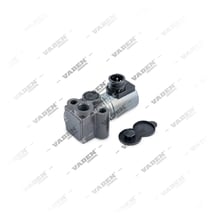
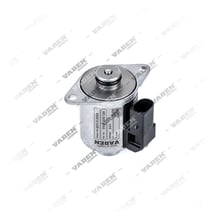
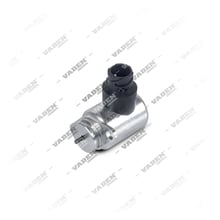
- Solenoid Valve Assembly: The electromagnetic component that converts the signal from the electronic transmission unit into hydraulic motion.
- Drain and Relief Valve: The valve that ensures rapid oil discharge once the retarder disengages.
- Pressure Limiting Valve: Protects the system from overload by keeping circuit oil pressure within safe limits.
- Sealed Repair Kits: Repair kits consisting of O-rings, seals, and sealing elements for the valve body.
How to Choose the Right Retarder Control Valve
Selecting a retarder valve requires an exact match between transmission model, retarder type, and electronic control interface; the wrong valve leads to pressure imbalance in the retarder circuit and premature failure. The table below summarizes the key criteria to weigh during selection.
Retarder Valve Selection Criteria| Criterion | Why It Matters |
|---|
| Transmission Model and Chassis Number | The valve body and mounting flange are transmission-specific; an incompatible part causes installation errors |
| Retarder Type (integrated / standalone) | Control logic and oil circuit design differ by type |
| Electronic Control Protocol | The solenoid valve must communicate with the vehicle's transmission management software |
| Operating Pressure Range | A valve mismatched to the system's overall hydraulic pressure wears out prematurely |
| Seal and Gasket Material | Elastomer resistant to high-temperature transmission oil is essential |
Retarder Control Valve Maintenance and Key Considerations
- Check Transmission Oil Regularly: Contaminated or low oil accelerates wear on the moving parts inside the valve.
- Inspect Electrical Connections: Corrosion or looseness at the solenoid connectors causes irregular delivery of the control signal.
- Replace the Oil Filter on Schedule: A clogged filter can block the fine channels inside the valve.
- Test for Leaks After Installation: Any newly installed valve must be checked for oil leakage during the first start-up.
- Use Parts with Original Dimensions: Replacement parts with different tolerances cause delayed or jerky retarder response.
Common Faults and Solutions
- Retarder Does Not Engage: Solenoid coil failure or a blocked oil line; check the electrical connection and oil filter, and replace the valve if necessary.
- Delayed Deceleration Response: Partial blockage in the valve's oil flow channel or a worn O-ring; renew the seal set and verify oil cleanliness.
- Retarder Engages on Its Own: Solenoid valve sticking or an electronic signal fault; remove the valve to check its mechanical movement and replace it if faulty.
- Oil Leakage Observed: Hardened or cracked seal material; renew all sealing elements in the valve body with original parts.
- Staged Deceleration Runs Irregularly: Fault in the pressure limiting valve or wear in the stage adjustment valve; test the relevant valve assembly and replace it completely if needed.
Why VADEN ORIGINAL?
VADEN ORIGINAL retarder valves are manufactured on a production line that matches OE dimensions and tolerances exactly, so they require no extra fitting work when mounted to the transmission housing. Thanks to broad OEM cross-reference coverage, compatible alternatives are available for the Voith- and ZF-based retarder systems found in Mercedes-Benz, MAN, Scania, Volvo, DAF, and Iveco heavy commercial vehicles. Sealing elements are selected from materials resistant to high temperature and pressure to deliver a long service life. VADEN ORIGINAL products pass through rigorous quality control and are exported to more than 100 countries, giving fleet operators a reliable source of replacement parts.
Conclusion
The retarder valve is a critical component at the heart of the transmission's hydraulic deceleration system, one that directly affects driving safety. Correct selection, regular maintenance, and the use of OE-quality replacement parts preserve retarder performance while reducing the load on the braking system. VADEN ORIGINAL retarder valves deliver a reliable, long-lasting solution for heavy commercial vehicle fleets.
Frequently Asked Questions (FAQ)
What does a retarder valve do?
The retarder valve controls oil flow to the hydraulic retarder circuit inside the transmission, determining when and how strongly the deceleration force engages. This lets the vehicle slow down safely without wearing the brake linings.
What happens when a retarder valve fails?
A faulty retarder valve can cause the deceleration effect to fail to engage at all, to respond with a delay, or to stay active uncontrollably. This puts driving safety at risk and can place extra load on the transmission.
What is the difference between this category and the Retarder Valve Parts category?
This category covers the main and general components of the retarder valve group (303.11.0100-0102). The specific valve parts under group 303.11.0121/0127 are listed in a separate catalog category.
Which vehicles use a retarder valve?
Retarder valves are used in the integrated Voith or ZF retarder systems found in heavy trucks and buses from brands such as Mercedes-Benz, MAN, Scania, Volvo, DAF, and Iveco. The transmission model and chassis number should be verified to select the correct part.
What should be checked when replacing a retarder valve?
During replacement, the transmission oil must be clean, the solenoid's electrical connections must be sound, and sealing must be tested after installation. Using parts with original dimensions guarantees correct retarder response.
Vehicle and engine pages that list parts from this category: Ford
Related technical guide: Truck Retarder: Faults, Replacement & Maintenance Guide