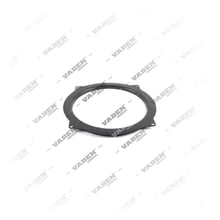
Radiator Fan Ring - What Is It?
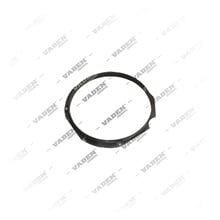
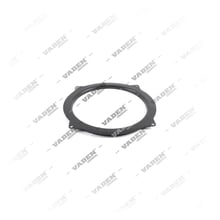
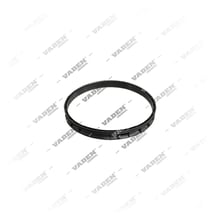
The radiator fan shroud is a plastic or sheet-metal duct positioned in front of or behind the radiator in the cooling system of heavy commercial vehicles, surrounding the fan blade. In the field it is also known as a "fan cowl" or "fan housing." By closing the gap between the radiator and the fan blade, it stops air from escaping uncontrolled out the sides and directly affects engine cooling performance. Working inside the tight space under the hood of trucks, tractor units, buses, and trailer trucks, it plays a critical role in ensuring efficient air intake across the entire radiator core. VADEN ORIGINAL radiator fan shrouds are manufactured to original dimensions, preserving the cooling system's designed efficiency.
How Does a Radiator Fan Ring Work?
As the fan blade rotates, it draws air through the radiator core and directs it into the engine bay. Without a shroud, that suction air escapes back through the gap between the blade diameter and the radiator edges, and the fan's real suction efficiency drops considerably. The shroud narrows this gap, confining the airflow within the blade's sweep circle and ensuring air is also drawn effectively from the radiator's edge regions. As a result, the engine gains more cooling capacity for the same energy spent through the viscous coupling or electric fan motor. This is especially critical at low speed, on grades, or in heavy traffic, where natural airflow alone falls short and the shroud's position and seal integrity keep engine temperature within a safe range.
Radiator Fan Ring Technical Specifications
Fan shrouds are generally manufactured as a reinforced plastic (PP, PA6-GF) or welded sheet-metal body; the material choice depends on the temperature and vibration conditions in the engine bay. The shroud diameter must be produced with millimetric tolerances matched to the fan blade diameter and radiator body dimensions; an incorrect diameter causes air leakage or blade damage from contact with the shroud. Attachment points are secured with bolts or clips to the radiator's header tanks or chassis brackets, and sealing edges are reinforced with a rubber lip seal on some models. Shroud geometry varies with vehicle model, engine displacement, and fan type (mechanical viscous, electric, hydraulic), so compatibility with the chassis number and engine code should be verified before installation. For exact dimensions and tolerances, the vehicle's current service manual is authoritative.
Radiator Fan Ring Types and Subcategories
- Full-Circle Fan Shroud: Surrounds the fan blade a full 360 degrees, delivering the highest air-direction efficiency; common on heavy-duty trucks.
- Half Shroud / Upper Panel Type: Covers only the upper region, a lighter design used in more compact engine bays.
- Sheet-Metal Fan Shroud: Metal construction resistant to high temperature and vibration, preferred on heavy-duty tractor units.
- Injection-Molded Plastic Fan Shroud: Lightweight and corrosion-resistant, the type most commonly used on medium and light commercial vehicles.
- Electric Fan Motor Compatible Shroud: A special design fixed together with the fan motor housing, featuring an integrated mounting socket.
- Deep Shroud for Viscous Clutch Fans: A deep-profile variant designed for a larger fan stroke distance.
How to Choose the Right Radiator Fan Ring
Three core criteria stand out when selecting a fan shroud. The table below summarizes the points to consider during the selection process.
- Chassis and Engine Code Match: Radiator model and fan blade diameter can vary significantly between vehicles, so the original dimension reference should be the basis.
- Fan Drive Type: Mechanically viscous-coupled, electric, or hydraulically driven fans each require a different shroud geometry.
- Material and Ambient Conditions: Material choice should be made according to engine operating temperature and hood vibration level.
Radiator Fan Shroud Selection Criteria| Criterion | Evaluation Point |
|---|
| Fan Blade Diameter | Shroud inner diameter must match the blade's sweep circle to millimetric precision |
| Fan Drive Type | Mechanical viscous, electric, or hydraulic fans each require a separate geometry |
| Housing Material | Injection-molded plastic or sheet metal; chosen according to engine bay temperature |
| Attachment Points | Bolt/clip compatibility with the radiator header tank and chassis brackets |
| Sealing Edge | Presence of a rubber lip seal reduces air leakage |
| Vehicle Compatibility | Comparison of OEM reference against chassis number and engine code |
Radiator Fan Ring Maintenance and Points to Consider
- Check for Cracks and Breaks: Inspect the shroud visually on a periodic basis; heat-fatigue cracks are common in plastic housings.
- Verify Installation Clearance: Make sure the fan blade never touches the shroud, while keeping the gap to a minimum.
- Tighten the Fasteners: Loose bolts or broken clips let the shroud shift under vibration and contact the fan blade.
- Inspect the Sealing Edge: Air leakage increases and cooling efficiency drops on shrouds with a deformed rubber lip seal.
- Check Alignment with the Radiator: Re-verify shroud alignment after a radiator replacement or bodywork repair following a collision.
- Use an Original-Dimension Part: An incorrectly sized shroud can damage both the fan blade and the radiator through contact.
Common Failures and Their Solutions
- Rising Engine Temperature: Air leakage due to a broken or missing fan shroud; shroud integrity should be checked and the part replaced if damaged.
- Friction Noise from the Fan Blade: The clearance between shroud and blade has narrowed, or the shroud has shifted; mounting points and alignment should be checked.
- Visible Cracks in the Shroud: Long-term heat cycling and vibration fatigue; a cracked shroud should be replaced with an original part without delay.
- Overheating at Idle but Normal While Driving: Insufficient air intake at low speed; the shroud's edge sealing and position should be reviewed.
- Premature Failure of the Fan Motor or Clutch: The fan system works under higher load due to inefficient air direction; check the overall condition of the fan assembly along with the shroud.
Why VADEN ORIGINAL?
- OE Dimensions and Tolerances: Original equipment dimensions that provide a full seal without risk of contact with the fan blade.
- Broad OEM Compatibility: Direct-fit reference matching for Mercedes-Benz, MAN, Scania, Volvo, DAF, Iveco, and Renault Trucks heavy vehicles.
- Durable Material: A housing and sealing edge resistant to the high temperature and continuous vibration of the engine bay.
- International Reach: Production that has passed quality-control processes and is exported to more than 100 countries.
Conclusion
Although it may look small, the radiator fan shroud directly determines engine cooling efficiency. A damaged or missing shroud can lead to rising engine temperature, premature wear of the fan system, and serious engine failures. Using a VADEN ORIGINAL radiator fan shroud in original dimensions matched to the vehicle's chassis and engine code ensures the cooling system runs at its designed performance.
Frequently Asked Questions (FAQ)
What does a radiator fan shroud do?
The radiator fan shroud closes the gap between the fan blade and the radiator, preventing air from escaping uncontrolled out the sides. This way, the air drawn by the fan passes across the entire surface of the radiator core, and the engine cooling system operates at its designed efficiency.
What happens if the fan shroud is damaged?
A broken or missing fan shroud causes air leakage and reduces the fan's suction efficiency. As a result, engine temperature can rise, and the risk of overheating increases, especially in conditions such as low-speed driving or climbing a grade.
What material is a radiator fan shroud made of?
Fan shrouds are generally manufactured from reinforced plastic (PP, PA6-GF) or welded sheet metal. Material choice is determined by the temperature level and vibration conditions in the engine bay.
What should I do if the fan shroud contacts the fan blade?
Contact between the fan blade and shroud usually results from an incorrect size, loose mounting, or a deformed housing. The shroud's alignment and mounting points should be checked and, if necessary, replaced with an original-dimension shroud.
Which vehicles are VADEN ORIGINAL radiator fan shrouds compatible with?
VADEN ORIGINAL fan shrouds are manufactured with OEM references compatible with Mercedes-Benz, MAN, Scania, Volvo, DAF, Iveco, and Renault Trucks heavy commercial vehicles. Verifying compatibility via the chassis number and engine code before installation is recommended.
Related technical guide: Truck Radiator & Expansion Tank: Faults, Replacement & Care