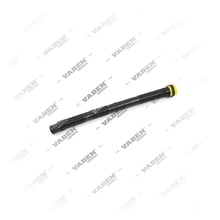
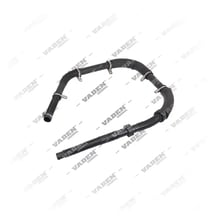
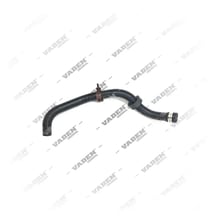
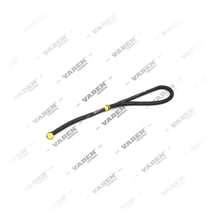
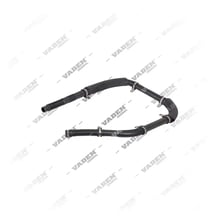
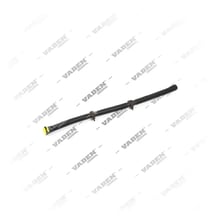
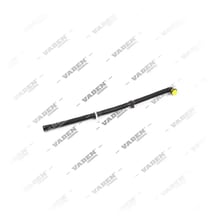
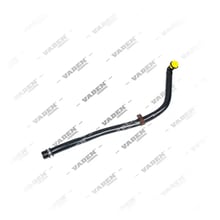
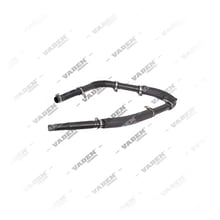
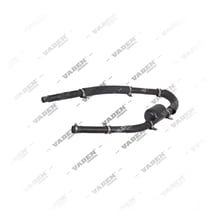
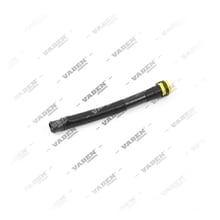
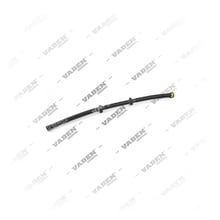
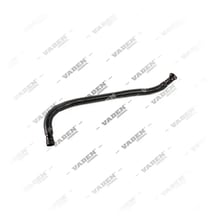
What Is a Intake Line Pipe?
The Suction Pipe is a pipeline component found in the exhaust system of heavy commercial vehicles that channels the gases generated during engine operation in a controlled manner between related components. As part of the Exhaust System > Pipe group, it forms the connection between the main exhaust line and components such as the turbocharger unit, the EGR circuit, or the exhaust brake valve. In the field it is sometimes also referred to as a "suction line," "vacuum pipe," or "intake pipe." Across trucks, tractor units, buses, and trailers, smooth engine operation, emission control, and exhaust brake performance all depend directly on the integrity of this line. When the Suction Pipe is damaged or corroded, the system can suffer pressure loss, faulty gas flow, and fault codes — which is why it is a component that should be checked routinely during general exhaust system maintenance.
How Does a Intake Line Pipe Work?
While the engine runs, part of the exhaust gas is routed to different lines depending on the system design. The Suction Pipe acts as a passive channel that carries this gas flow between the source point and the target component without loss. Its inner diameter and geometry are engineered to keep gas speed and pressure within the desired range; sudden narrowings or sharp bends increase flow resistance, so these details are carefully controlled during manufacturing. The flange or clamp points at the connection ends keep the pipe sealed under vibration and thermal expansion. On vehicles equipped with an exhaust brake system, the Suction Pipe also plays a role in transmitting the back pressure generated when the valve closes to the correct point, ensuring the engine brake effect performs as expected.
Intake Line Pipe Technical Specifications
Suction Pipes are typically manufactured from heat-resistant stainless steel or aluminized steel sheet; this material choice provides resistance to the high temperature of exhaust gases and to moisture encountered under road conditions. Pipe diameter and wall thickness vary by vehicle model, engine displacement, and exhaust system configuration, so compatibility should be verified against the original part number or vehicle chassis number before ordering.
- Material: Heat-resistant stainless or aluminized steel sheet.
- Pipe Diameter and Wall Thickness: Varies by vehicle model, engine displacement, and system configuration.
- Connection Dimensions: Flange diameter and clamp size are manufactured to match other components exactly.
- Pressure and Temperature Resistance: For exact tolerance values, the vehicle's current service manual is authoritative.
Intake Line Pipe Types and Subgroups
- Turbo Suction Pipe: A heat-resistant pipe type that carries gas flow between the turbocharger unit and the exhaust manifold.
- EGR Suction Pipe: Pipes that transfer gas to the exhaust gas recirculation circuit, generally with a smaller diameter and precision connections.
- Exhaust Brake Suction Pipe: Pipes manufactured in a geometry suited to the valve position that transmit pressure between the engine brake valve and the main exhaust line.
- Flanged Connection Type: A pipe group fitted with a bolted flange connection, making removal and installation easier.
- Clamped Connection Type: A pipe group secured with a clamp, offering more flexible installation tolerance.
- Bellows (Flexible) Suction Pipe: A pipe type manufactured with a bellows section to absorb vibration and engine movement, reducing the risk of fracture.
How to Choose the Right Intake Line Pipe
Choosing the right Suction Pipe starts with verifying the original part number according to the vehicle's make, model, and engine code. Pipe diameter, length, flange or clamp connection type, and the position of the bellows section, if present, must match the existing system exactly. The table below summarizes the key criteria to consider during selection.
Suction Pipe Selection and Compatibility Criteria| Criterion | Check Point |
|---|
| Vehicle Compatibility | Original part match based on make, model, engine code, and chassis number |
| Pipe Diameter and Length | Identical inner/outer diameter and total length to the existing line |
| Connection Type | Flanged or clamped connection, matching the flange size of the existing system |
| Material | Stainless or aluminized steel with high temperature resistance |
| Application Area | Geometry specific to the turbo, EGR, or exhaust brake circuit |
| Sealing Elements | Gasket, o-ring, or clamp set supplied together |
Intake Line Pipe Maintenance and What to Watch For
- Correct Torque Value: Tighten flange and clamp connections to the torque value specified in the vehicle's current service manual; over- or under-tightening compromises the seal.
- Clean Connection Surface: Clean off old gasket residue before installation and check the surface for flatness.
- Periodic Visual Inspection: Regularly check the outer surface of the pipe for rust, cracks, or deformation.
- Use Compatible Parts: Do not force-fit a pipe with a mismatched diameter or a different connection type; this leads to premature fatigue and leaks.
- Protect the Bellows Section: On bellows-type pipes, make sure this section is not subjected to excessive bending or impact.
Common Faults and Their Solutions
- Symptom: Gas leak sound in the exhaust line. Possible cause: Worn flange gasket or a loose clamp. Action: Check the connection elements and renew the gasket and clamp if needed.
- Symptom: Fluctuating turbo boost pressure. Possible cause: A crack or perforation in the turbo suction pipe. Action: Visually inspect the pipe and replace it with a VADEN ORIGINAL equivalent if damaged.
- Symptom: Weakened exhaust brake effect. Possible cause: Blockage in the suction pipe or soot buildup on the inner surface. Action: Remove and clean the line, or replace the pipe if necessary.
- Symptom: Fault code (EGR or emission warning). Possible cause: A leak in the EGR suction pipe causing pressure loss. Action: Check the connection points and pipe integrity, and renew the sealing elements.
- Symptom: Visible rust and thinning on the pipe. Possible cause: Prolonged exposure to moisture and road salt. Action: Replace the pipe at an early stage to prevent sudden failure.
Why VADEN ORIGINAL?
- Manufactured to OE Dimensions: Produced to match original equipment dimensions exactly, requiring no extra machining or adaptation.
- Broad OEM Coverage: Compatible with a wide range of references, including Mercedes-Benz, MAN, Scania, Volvo, DAF, Iveco, and Renault Trucks.
- Durable Material: Material selected for resistance to high temperature and corrosion maintains sealing performance over a long service life.
- Exported to Over 100 Countries: Delivers consistent quality and uninterrupted supply to fleet operators and service points.
Conclusion
The Suction Pipe is an invisible but critical connecting element that directs the exhaust system's gas flow to the correct points. A suction pipe selected in the right dimensions and material, inspected regularly, and replaced in time supports the healthy operation of multiple systems, from turbo performance to exhaust brake effectiveness. VADEN ORIGINAL quality Suction Pipe products offer a reliable, long-lasting solution for heavy commercial vehicle fleets.
Frequently Asked Questions (FAQ)
What does a Suction Pipe do?
The Suction Pipe is the connecting line in the exhaust system that carries gas flow in a controlled manner between components such as the turbo, the EGR circuit, or the exhaust brake valve. It keeps the system operating at the correct pressure and flow balance.
What symptoms appear when a Suction Pipe fails?
The most common symptoms are a gas leak sound, fluctuating turbo boost pressure, a weakened exhaust brake effect, and emission-related fault codes. If any of these symptoms appear, a visual inspection of the line is recommended.
How often should a Suction Pipe be replaced?
There is no fixed replacement interval; service life varies depending on usage conditions and corrosion. It is recommended to perform a visual check during periodic maintenance and replace the pipe early if rust or cracks are detected.
Which vehicles is the VADEN ORIGINAL Suction Pipe compatible with?
VADEN ORIGINAL suction pipes are compatible with numerous models from heavy commercial vehicle brands such as Mercedes-Benz, MAN, Scania, Volvo, DAF, Iveco, and Renault Trucks. It is recommended to verify compatibility using the chassis number or original part code before ordering.
Can I replace the suction pipe myself?
For simple flange- or clamp-connected types, an experienced technician can complete the replacement quickly. However, for pipes connected to the EGR or exhaust brake line, authorized service support is recommended to ensure correct torque and sealing.
Related technical guide: Turbo Intake & Exhaust Inlet Pipe: Faults and Replacement
Related products — Exhaust System: Pipe (view all)