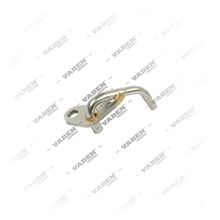
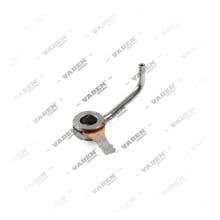
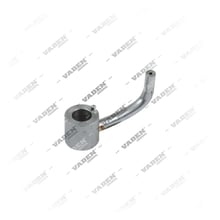
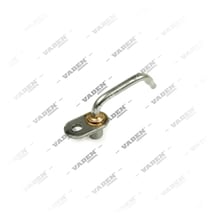
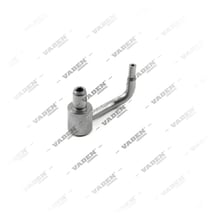
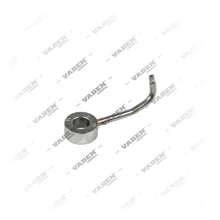
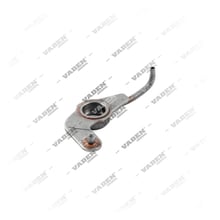
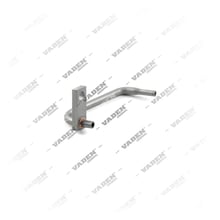
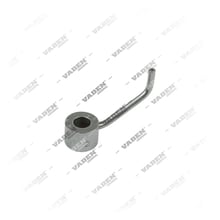
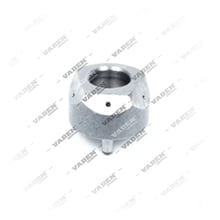
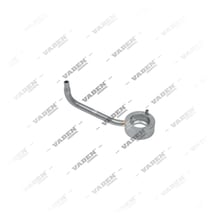
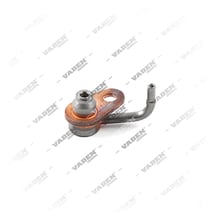
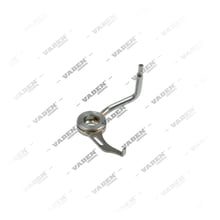
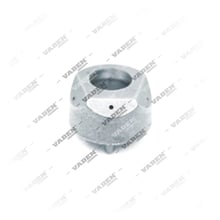
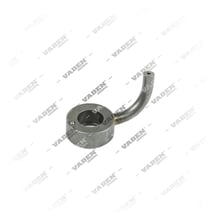
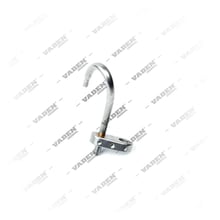
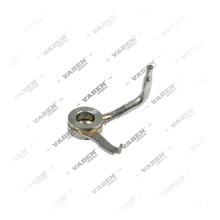
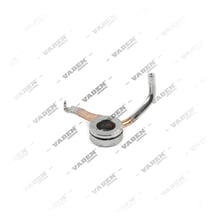
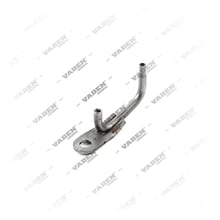
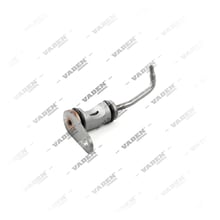
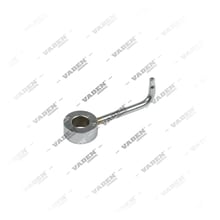
What Is a Housing Oil Nozzle?
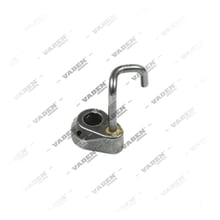
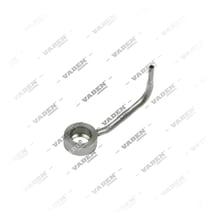
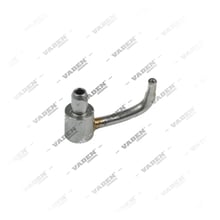
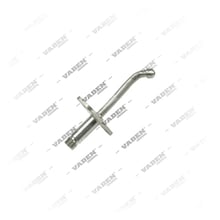
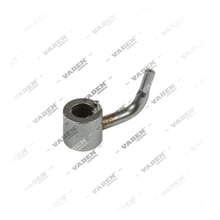
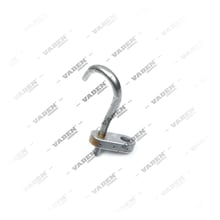
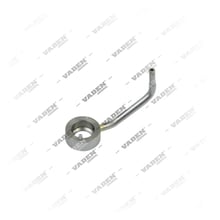
The block oil jet is a small but critical engine component fitted to the cylinder block (engine block) of heavy commercial vehicle engines, spraying pressurized engine oil onto the underside of the piston skirt to provide cooling. In the field it is also known as a piston cooling nozzle, oil jet or oil nozzle. This group within the Engine > Block chain covers the nozzle body fed from the main oil gallery, the check valve and the spray tube. VADEN ORIGINAL block oil jets are manufactured to OE dimensions to match applications in Mercedes-Benz, MAN, Scania, Volvo, DAF, Iveco and Renault Trucks heavy-duty engines.
How Does a Housing Oil Nozzle Work?
The oil pump draws oil from the sump and distributes it through the filter and main gallery into the channels within the block. The block oil jet is connected directly to this gallery; the spring-loaded check valve inside opens once pressure exceeds a set threshold, allowing oil to exit through the nozzle. At idle the valve stays closed and gallery pressure is maintained. As engine speed and load increase, the jet opens and directs an oil spray onto the underside of the piston, carrying heat away from the combustion chamber into the sump.
- Piston Cooling: Removes heat that accumulates in the piston crown via the oil.
- Piston Pin Lubrication: Part of the oil reaches the piston pin and connecting rod small-end bushing, reducing friction.
- Pressure Management: The check valve stays closed at low speed, preventing a drop in main gallery pressure.
- Thermal Balance: Balances thermal load in turbocharged engines, delaying piston ring sticking.
Housing Oil Nozzle Technical Specifications
Block oil jets are manufactured from materials that withstand the pressure generated by engine oil at operating temperature and full load. The nozzle body uses steel or a high-strength alloy, while the spray tube is made from drawn steel tubing with high dimensional stability. The opening pressure of the check valve spring varies by engine family; the vehicle manufacturer's current service manual is the definitive source for the exact opening pressure, tightening torque and installation clearance.
- Material: Steel/alloy body resistant to thermal and mechanical load, with a corrosion-resistant surface finish.
- Connection Type: Bolted flange onto the block, a slip-fit banjo, or a body threaded directly into the gallery.
- Spray Geometry: The nozzle exit angle and tube length determine how accurately the oil hits the piston skirt.
- Compatibility Criteria: OE part number, block type, cylinder position and engine code are all evaluated together.
Housing Oil Nozzle Types and Subgroups
Products in this category are grouped by connection style and spray configuration. Even within the same engine family, jets with different tube angles can exist depending on cylinder position; selection should therefore always be made together with the engine code.
- Bolted Flange Jet: Secured to its seat on the block with a bolt; the most common type in heavy-duty diesel engines.
- Banjo-Connected Jet: Attached to the gallery with a banjo bolt and washers; sealing depends on washer condition.
- Threaded Body Nozzle: Screws directly into the gallery opening; preferred in tight block layouts.
- Check-Valve Type: Contains a spring-loaded valve and only sprays above a specific pressure.
- Dual-Outlet Jet: Sends two sprays from a single body; used in large-displacement engines.
How to Choose the Right Housing Oil Nozzle?
The most reliable approach is to use the OE number of the removed part together with the engine code. Two visually similar jets can differ in tube angle or valve opening pressure; this difference causes oil to hit the cylinder liner wall instead of the piston base. Block type and cylinder position must also be factored into the selection.
Block oil jet selection and compatibility criteria| Criterion | How to Determine It | Result of Wrong Selection |
|---|
| OE part number | Removed jet body or engine spare parts catalog | Different geometry, forced fitting and block damage |
| Engine code / block type | Engine label and chassis records | Failure to seat in the gallery opening, oil leakage |
| Connection style | Checking for bolted flange, banjo or threaded body | Loss of sealing, drop in gallery pressure |
| Spray tube angle | Side-by-side comparison with the old part | Oil failing to reach the piston base |
| Check valve opening pressure | Engine manufacturer service data | Pressure drop at idle or insufficient cooling |
Housing Oil Nozzle Maintenance and Key Points
Oil jets do not require a separate periodic maintenance schedule, but they should be inspected whenever the engine is opened up. Dirty oil and delayed oil changes lead to carbon and varnish buildup at the nozzle outlet. Reviewing the jets whenever rings or liners are renewed during an overhaul is the cheapest way to prevent piston damage.
- Cleanliness Check: Check the nozzle outlet with compressed air; renew the part if it is blocked.
- Tightening Torque: Follow the service manual for bolt and banjo connection torque; overtightening strips the threads.
- Washers and Gaskets: Renew the washers on every installation for banjo-type connections.
- Free Movement: Turn the crankshaft by hand to confirm there is no contact between the piston skirt underside and the tube.
Common Faults and Solutions
Block oil jet faults do not trigger a direct warning; the symptoms show up indirectly through the piston, rings and oil pressure. Whenever one of the symptoms below appears, the jet group should also be added to the inspection checklist.
- Low oil pressure at idle: The check valve may be stuck open; remove the jet and check valve sealing.
- Thermal stress marks on the piston crown: A blocked or misaligned nozzle is not cooling properly; renew the part and compare tube angle against a reference part.
- High oil consumption and blue smoke: A valve stuck permanently open is sending excess oil to the liner; verify valve type and opening pressure.
- Metallic knocking from the engine: A bent tube may be contacting the piston skirt; stop the engine and check for mechanical contact.
- Recurring piston damage after an overhaul: Reusing old jets is a common root cause; renew the entire group.
Why VADEN ORIGINAL?
VADEN is a manufacturer specialized in air brake systems and engine spare parts for heavy commercial vehicles. Block oil jets are manufactured based on the dimensional and material references of original parts; nozzle exit geometry and tube angle are verified against the application. Thanks to an extensive OEM cross-reference list, you can find the correct VADEN equivalent from the OE number you already have.
- Manufactured to OE Dimensions: Connection interface and spray geometry are verified against the original part reference.
- Extensive OEM Matching: Cross-reference support for Mercedes-Benz, MAN, Scania, Volvo, DAF, Iveco and Renault Trucks applications.
- Global Availability: Exported to over 100 countries with consistent stock availability.
Conclusion
Despite its small size, the block oil jet is a component that directly determines the thermal balance of a heavy-duty diesel engine. A blocked, deformed or incorrectly selected jet can trigger a chain of consequences ranging from overheating at the piston crown to ring sticking and costly engine damage. Checking the jet group at every overhaul is the lowest-cost precaution; use the OE number together with the engine code when selecting, and rely on the vehicle manufacturer's current service manual for installation values.
Frequently Asked Questions (FAQ)
What does a block oil jet do?
It draws pressurized oil from the engine block's main oil gallery and sprays it onto the underside of the piston skirt to cool the piston. It also contributes to lubricating the piston pin and connecting rod small-end area. This way, heat from the combustion chamber is carried away into the sump through the oil, keeping the piston within a safe temperature range.
What are the symptoms of a faulty block oil jet?
The most common symptoms are low oil pressure at idle, metallic knocking from the engine, increased oil consumption and blue smoke from the exhaust. Thermal stress marks on the piston crown and recurring ring sticking also point to a blocked or misaligned jet. In these cases, the jet group must always be inspected whenever the engine is opened up.
Can a blocked oil jet be cleaned, or must it be replaced?
Light carbon buildup can be removed with compressed air, but if there is varnish deposit inside the nozzle or the valve is leaking, the part must be renewed. Deformed, bent spray tubes or ones with a crushed tip should not be repaired. The cost of a jet is quite low compared to the potential piston damage it can prevent.
Should oil jets be replaced during an engine overhaul?
In a major overhaul where pistons, rings or liners are renewed, it is recommended to renew the jets as well. Reusing old jets is one of the most common root causes of recurring piston overheating damage after an overhaul. This item represents a very small share of the total overhaul budget.
How do I choose the correct block oil jet?
Using the OE number of the removed part together with the engine code is the most reliable method. Visually similar jets can differ in tube angle, connection style or valve opening pressure. For installation torque and clearance values, always rely on the vehicle manufacturer's current service manual.
Related technical guide: Oil Spray Jet: Faults, Replacement and Maintenance Guide
Related products — Engine: Crankcase (view all)