What is a cylinder head valve bridge?
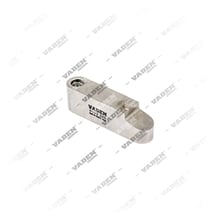
The valve bridge is a transfer element used in engine designs with four valves per cylinder (two intake, two exhaust) that lets a single rocker arm actuate both valves together. It is usually manufactured from hardened steel, either forged or cast, with a wear-resistant surface coating applied. On some engines the bridge slides freely on a guide pin, while on other designs it sits in a separate guide bracket fixed to the cylinder head; this difference varies by engine family and makes selecting the correct bridge type essential.
What are the functions of the cylinder head valve bridge?
The bridge performs several functions together to ensure correct operation of a four-valve engine design.
- Force distribution: transfers the force from the rocker arm equally to both valve stems.
- Synchronized motion: ensures both valves in the same group open at the same time and to the same amount.
- Positioning: the guide pin or bracket prevents the contact point on the valves from shifting.
What are the symptoms of a cylinder head valve bridge failure?
When the bridge wears or seats at an angle, the engine runs unevenly at idle, and a metallic tapping noise becomes noticeable, especially on cold starts. When one of the two valves opens a different amount than the other, combustion efficiency in that cylinder drops, and black exhaust smoke and power loss can appear. If the bridge comes off its guide pin or breaks, a valve may not close fully, causing compression loss and, in advanced cases, valve-to-piston contact — an emergency fault. Bridge wear that goes unnoticed for a long time also causes uneven wear on the valve stem and rocker tip, spreading the fault further.
How is the cylinder head valve bridge checked?
The rocker cover is opened and the bridge is inspected visually; the contact surface is checked for pitting, tilt, or excessive play at the guide pin/bracket area. During valve clearance adjustment, a feeler gauge is used to measure the clearance of each of the two valves separately; a noticeable difference between them indicates the bridge is not pressing evenly. The bridge is gently moved by hand to check radial play on the guide; excessive movement means a worn guide or bridge.
What should be considered during replacement?
When replacing the bridge, valve clearances must be precisely set to the value specified by the engine manufacturer; incorrect clearance can cause both noise and valve burning. If the guide pin or bracket is worn, it should be replaced along with the bridge, since replacing the bridge alone may not resolve the issue. Before fitting a new bridge, the valve stem tips and rocker contact surface should be checked for wear and renewed if necessary. After installation, the engine should be run at low rpm while listening for any abnormal noise.
How to choose a cylinder head valve bridge?
Exact compatibility based on the engine code is required; bridge length, guide pin diameter and contact-surface profile differ by engine family. Because bridges with low hardening quality can pit quickly under high contact pressure, parts with manufacturer-approved material hardness should be preferred.
Cylinder head valve bridge - general reference values| Parameter | Typical range |
|---|
| Valve clearance (intake/exhaust) | 0.20-0.60 mm (the vehicle manufacturer's current service manual is authoritative) |
| Material | Hardened steel, wear-resistant surface coating |
| Guide clearance | 0.02-0.08 mm radial clearance range (varies by engine) |
| Inspection interval | Visual and measured check at every valve clearance adjustment |
Maintenance and service life
Adjusting valve clearances according to the manufacturer's interval balances the impact load on the bridge and prevents premature wear. Keeping engine oil clean sustains lubrication between the guide pin and the bridge, reducing friction. With proper maintenance, the bridge can serve trouble-free until the engine's major overhaul interval (typically several hundred thousand kilometers), though irregular clearance adjustment significantly shortens this period.
VADEN Cylinder Head Valve Bridge
VADEN offers valve bridges manufactured to OE tolerances for heavy commercial vehicle diesel engines, with a hardened steel construction designed to support engine reliability.
Frequently Asked Questions (FAQ)
Is a valve bridge present in all engines?
No, it is only present in engine designs that use four valves per cylinder where a single rocker arm actuates two valves together. Engines with two valves per cylinder, or where each valve has its own rocker, do not have a bridge.
How do you tell bridge wear apart from a valve clearance adjustment error?
An adjustment error typically produces incorrect clearance in the same direction on both valves, while bridge wear usually creates a noticeable difference between the two valves. For a definitive distinction, the bridge should be removed and its contact surface and guide clearance checked visually and by measurement.
Can the engine keep running if the bridge breaks?
It can run for a short time, but since one of the valves will not close fully, compression loss, power reduction, and in advanced cases the risk of valve-to-piston contact occur; the engine should therefore be checked as soon as the symptom is noticed.
Does the cylinder head need to be removed to replace the bridge?
Usually the bridge can be accessed just by opening the rocker cover, without removing the entire cylinder head; however, if the guide pin or bracket is embedded in the cylinder head, a more extensive intervention may be needed.
What should be done if the engine noise is still abnormal after fitting a new bridge?
Check again whether the valve clearance was set correctly, and also look for wear on the rocker tip and valve stem tips; wear on these surfaces can cause noise and irregularity even if the bridge itself is correct.
Related technical guide: Engine Cylinder Head Group: Faults, Replacement & Maintenance