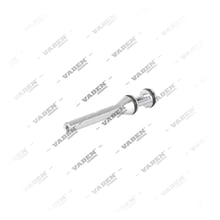
What are the functions of a Compressor Oil Connection Pipe?
This pipe ensures the integrity of the compressor's lubrication circuit.
- Oil transfer: Safely carries engine oil to or from the compressor.
- Pressure resistance: Withstands the engine oil pump's operating pressure without leaking.
- Sealing: Fitting and flange connections prevent oil leakage.
- Vibration damping: Structural flexibility absorbs the vibration difference between the engine and compressor.
- Cooling contribution: Oil flow also helps keep the compressor's internal temperature under control.
What are the symptoms of a failing Compressor Oil Connection Pipe?
Failure is usually noticed through oil loss and compressor performance.
- Oil leakage: Oil staining and dripping are visible at pipe connection points or along the pipe body.
- Drop in engine oil level: Continuous leakage causes engine oil level to fall faster than expected.
- Compressor overheating: Insufficient lubrication increases internal friction in the compressor, causing overheating.
- Abnormal compressor noise: Lack of lubrication causes metal-on-metal friction noise, which can lead to mechanical damage if left unaddressed.
- Oil carryover into the air system: If the pipe or internal compressor fault progresses, oil can enter the air circuit, causing brake valves to stick.
How is a Compressor Oil Connection Pipe checked?
Inspection is done in two stages: with the engine running and stopped.
- Visual inspection: Look for oil traces, corrosion or cracks on the pipe body and connection points.
- Fitting tightness: Check whether connection fittings are loose, by hand or with a wrench.
- Oil level monitoring: Track whether engine oil level drops faster than normal at periodic checks.
- Compressor temperature: Compressor housing temperature provides an indirect indication of whether lubrication is adequate.
- Air quality check: Check the air dryer or reservoir tanks for oil accumulation.
What should be considered during replacement?
Correct connection and sealing are the priority during replacement.
- Correct routing: Route the pipe exactly as specified by the manufacturer, keeping it clear of hot surfaces such as the exhaust manifold.
- Fitting gaskets: Connection gaskets or sealing rings must always be renewed.
- Torque values: Fittings must be tightened to the manufacturer's specified torque; overtightening can damage the pipe or fitting.
- Oil level check: After installation, start the engine and check oil pressure and level.
- Compressor inspection: Separately assess whether the pipe fault damaged the compressor through lack of lubrication.
How to choose the right Compressor Oil Connection Pipe?
Selection is determined by engine type, compressor model and connection geometry. The wrong diameter or length adversely affects oil flow rate.
Compressor Oil Connection Pipe selection criteria| Criterion | Description |
|---|
| Connection type | Fitting or flange must match the engine and compressor connection point |
| Inner diameter | Must be sized to deliver the required oil flow rate |
| Material | Must resist vibration and engine operating temperature |
| Length and shape | Must exactly match the engine-to-compressor route |
| Reference verification | Confirm with OEM number and chassis data |
Maintenance and service life
The compressor oil connection pipe lasts longer with regular engine oil changes and clean oil use. Dirty or low-quality oil can cause deposit buildup on the pipe's inner surface, leading to restriction and insufficient lubrication. Periodic tightness checks on fitting connections prevent leaks. Average service life depends on engine operating conditions and maintenance discipline; the vehicle's current OE service manual is authoritative for the exact interval.
VADEN Compressor Oil Connection Pipe
VADEN offers oil connection pipes manufactured to OE tolerances for heavy commercial vehicle air brake compressors. Correct material and dimensional accuracy support reliable compressor lubrication.
Frequently Asked Questions (FAQ)
Can a vehicle be driven with a faulty oil connection pipe?
It should not be. Insufficient lubrication can cause rapid mechanical damage to the compressor, risking the air brake system's ability to build pressure.
What is the difference between the feed pipe and the return pipe?
The feed pipe carries engine oil under pressure to the compressor, while the return pipe drains the oil used in the compressor back to the engine crankcase by gravity; the two have different diameter and pressure characteristics.
Is oil in the air system always related to this pipe?
It can be directly related; if the pipe or an internal compressor seal fault progresses, oil can enter the air circuit, but the compressor should be inspected separately for a definite diagnosis.
Does the engine oil need to be changed when replacing the pipe?
Not mandatory, but recommended if oil level has dropped due to leakage or the oil has become contaminated; oil level must always be checked after installation.
How can a loose fitting be detected?
Oil staining at the connection point, visible leakage, or play felt when checked by hand are signs of looseness; if found, retighten to the manufacturer's specified torque.
Related technical guide: Air Brake Compressor: Faults, Replacement & Maintenance Guide