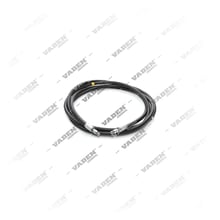
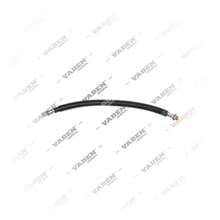
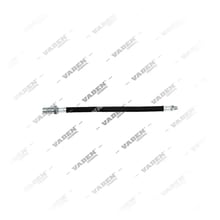
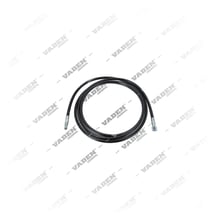
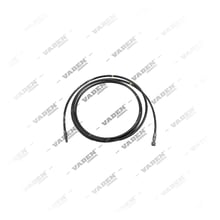
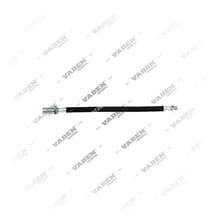
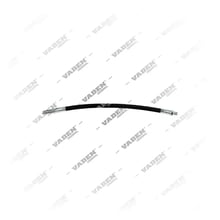
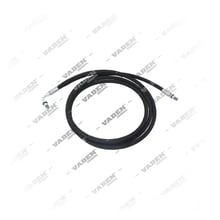
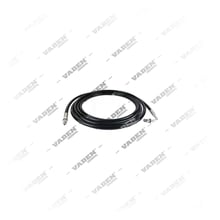
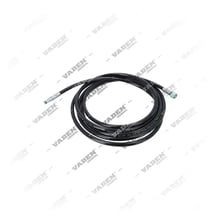
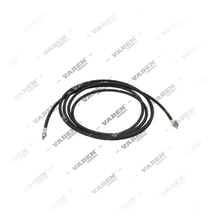
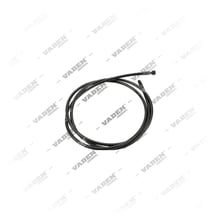
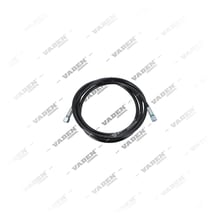
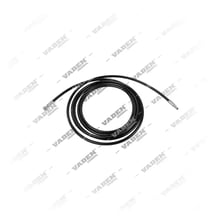
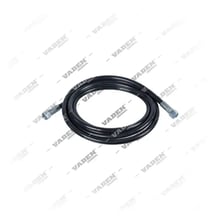
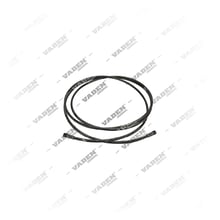
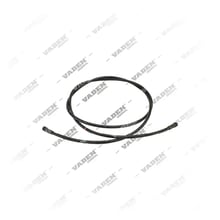
What Is a Clutch Hose (Clutch Clutch Hose)?
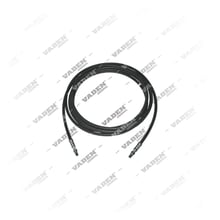
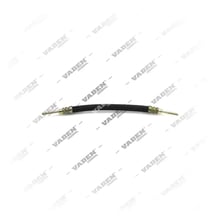
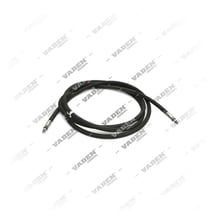
The hose is the flexible line in the hydraulic circuit of a heavy-duty commercial vehicle's clutch system that carries pressurized hydraulic fluid from the clutch master cylinder to the clutch slave cylinder. In the field it is also called the "clutch hydraulic hose" or "clutch feed hose." This category covers the complete, ready-to-install hose assembly, not an individual seal or fitting. Leak-free delivery of pressurized fluid is the basic precondition for transmitting the force applied to the pedal accurately and without delay. On manual-transmission heavy-duty vehicles, the hose's integrity is critical to the reliability of the entire clutch system.
The Clutch Hose's Role in the System and How It Works
When the driver presses the clutch pedal, the master cylinder sends hydraulic fluid into the circuit at a defined pressure, which travels through the hose and reaches the slave cylinder, releasing the clutch pressure plate. The hose body is usually made from synthetic rubber or a braided reinforced structure able to withstand high pressure plus engine-bay heat and vibration. The end fittings — banjo bolt, threaded connector or quick-connect — mate tightly with sealing surfaces that ensure leak-free operation. If a micro-crack, bulge or loose connection develops anywhere, air enters the system or fluid begins to leak, and the pedal feels spongy or the gear fails to disengage fully.
Technical Characteristics of the Clutch Hose
Inner diameter, outer diameter, working pressure and end-fitting type vary by vehicle make and model, so a "generic" hose will not do — the part must match the vehicle's specific dimensions and connection geometry. Working and burst pressure figures are set out in the manufacturer's service documentation; always consult the vehicle's current technical documentation for exact pressure and torque values. The hose body is made from material resistant to fuel, oil and ozone exposure in the engine compartment, with a braided wire or textile reinforcement layer on the outer surface.
- Full Replacement or Repair Kit: If the body is cracked or bulging, replace the complete assembly; a repair kit may suffice if only the end seal has failed.
- OE-Equivalent Match: The removed hose's length, inner diameter and end-fitting geometry must match the OEM reference number of the part ordered.
- Ease of Installation: Since the complete hose arrives with its end fittings and sealing surfaces, it installs in a single step, with no need to gather separate parts.
Clutch Hose Types and Subgroups
- Standard Threaded-Fitting Hydraulic Hose: The classic type with a threaded metal fitting at each end, connecting the master and slave cylinders.
- Banjo-Connection Hose: A variant secured at the end point by a banjo bolt and sealing washer, used in confined mounting spaces.
- Quick-Connect Hose: A type that can be fitted and removed without requiring the system to be re-bled, shortening service time.
- Braided Steel-Reinforced Hose: A reinforced body for heavy-duty applications requiring high pressure resistance and mechanical strength.
- Flexible Rubber-Body Hose: The common standard type that adapts to engine movement and vibration.
- Length and Routing Variants: Different length and angled end options within the same connection type ensure the correct routing for the engine layout.
How to Choose the Right Clutch Hose
The first step in a complete hose replacement is to determine the removed part's end-fitting type, inner diameter and overall length; matching these measurements to the OEM reference number guarantees a product true to the vehicle's original specification. Choosing a hose by appearance alone risks fitting incompatible connection geometry, causing repeat failure within a short time. The table below summarizes the key selection criteria.
Hose Selection and Compatibility Criteria| Criterion | Why It Matters |
|---|
| End-Fitting Type | Threaded, banjo or quick-connect; must match the cylinder ports exactly |
| Inner Diameter and Length | Affects hydraulic flow volume and the routing through the engine bay |
| Working Pressure Class | Must meet the pressure range specified by the vehicle manufacturer |
| OE / OEM Reference Number | Matching the original part number ensures correct fitment and long service life |
| Body Material | Determines resistance to engine-bay heat, oil exposure and vibration |
| Full Assembly or Repair Kit | A repair kit suits end-seal failure; full replacement is preferred for body damage |
Installation and Maintenance Precautions
- Bleed the System Completely: After fitting a new hose, bleed any remaining air from the hydraulic circuit, or the pedal will feel spongy.
- Observe the Correct Connection Torque: Tighten threaded and banjo connections to the manufacturer's specified torque; over-tightening can damage the threads or sealing surface.
- Check the Hose Routing: Make sure the new hose does not contact moving parts, the exhaust line or sharp edges.
- Do Not Reuse Old Seals: Fit new sealing rings on threaded and banjo connections at every service.
- Do Not Skip the Leak Test: After installation, cycle the pedal several times and visually inspect all connection points.
Common Faults and Their Solutions
- Clutch Pedal Feels Spongy: Air has entered the system through a micro-crack in the hose body or a loose connection; replace the hose and bleed the circuit again.
- Visible Fluid Leak: The hose body has a tear or the fitting seal is worn; replace the complete hose along with the seal set.
- Clutch Does Not Fully Disengage or Gears Are Hard to Shift: Pressure loss or a pinched section in the hose is likely; check the routing and inner diameter and replace if necessary.
- Bulging or Hardening on the Outer Surface: The body has degraded from material fatigue or heat exposure; carry out a complete replacement.
- Recurring Leak at the Connection Point: Incorrect torque or a mismatched fitting type was used; reassemble with a complete hose matching OE dimensions and correct torque.
Why VADEN ORIGINAL?
- Manufactured to OE Dimensions: Inner diameter, length and end-fitting geometry match original part references exactly, allowing installation without extra fitting work.
- Broad OEM Coverage: Offers a reference range compatible with the clutch systems of Mercedes-Benz, MAN, Scania, Volvo, DAF, Iveco and Renault Trucks.
- Pressure-Resistant Material Construction: Features body and reinforcement layers tested to withstand engine-bay heat, oil exposure and vibration.
- Exports to Over 100 Countries: Delivers proven performance and stock continuity across a wide range of climates and operating conditions.
Conclusion
The hose may look modest, but it is functionally critical, ensuring the clutch hydraulic circuit carries pressure without leakage. Choosing the right complete hose comes down to correctly matching end-fitting type, inner diameter, length and OEM reference number. Manufactured to OE dimensions and compatible with a wide range of vehicles, VADEN ORIGINAL hoses support reliable clutch-system operation.
Frequently Asked Questions (FAQ)
What does a clutch hose do?
The clutch hose carries the hydraulic pressure generated in the master cylinder when the clutch pedal is pressed to the slave cylinder. This releases the clutch pressure plate and allows gear changes to take place smoothly.
How can I tell the hose is faulty?
A spongy clutch pedal, gears that fail to fully disengage, a visible fluid leak, or bulging and hardening on the hose surface are the most common symptoms. In these cases the hose and its connection points should be checked immediately.
Should I repair the hose with a kit or replace it completely?
If the hose body shows cracking, bulging or internal degradation, complete replacement is required. If only the end seal or fitting ring has failed, a repair kit may be sufficient; the decision should be based on the condition of the removed part's body.
Is an extra step needed after fitting a new hose?
Yes, any air remaining in the hydraulic circuit must be bled out after installation. Skipping the bleeding process leaves the pedal feeling spongy and prevents the clutch from performing at full capacity.
Which vehicles are VADEN ORIGINAL clutch hoses compatible with?
VADEN ORIGINAL hoses are compatible with the clutch systems used in heavy-duty commercial vehicles from brands such as Mercedes-Benz, MAN, Scania, Volvo, DAF, Iveco and Renault Trucks. It is recommended to confirm the correct reference using the vehicle model and chassis number before ordering.
Related technical guide: Clutch Hose Failure, Replacement and Maintenance Guide
Related products — Clutch: Hose (view all)