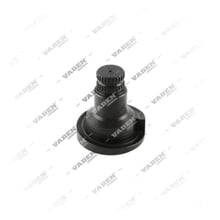
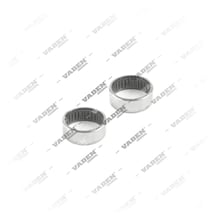
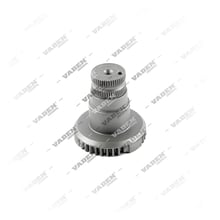
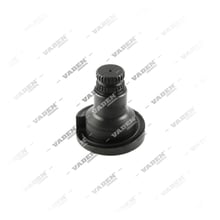
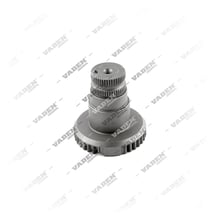
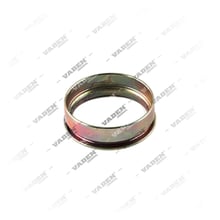
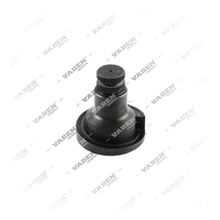
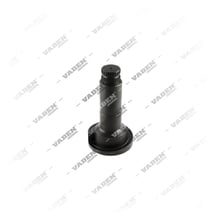
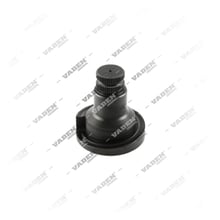
What Is a Brake Caliper Shaft?
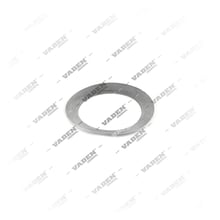
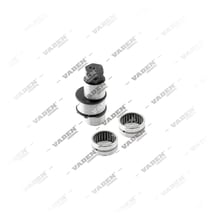
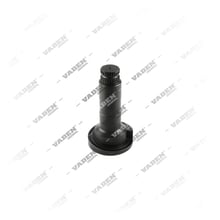
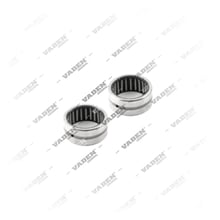
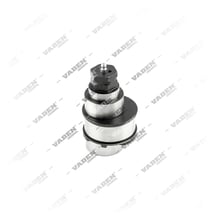
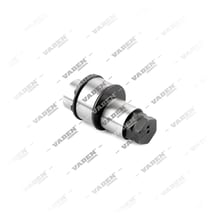
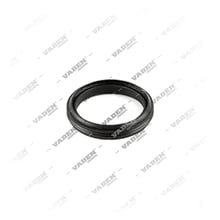
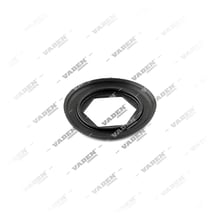
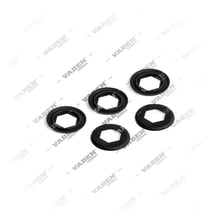
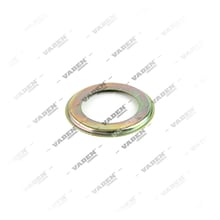
The Caliper Shaft is the guide pin that connects the caliper body to its carrier bracket in the disc brake system of heavy commercial vehicles, allowing the caliper to slide axially relative to the brake disc. In the field it is also known as the "caliper guide pin," "sliding pin," or "caliper pin." This category presents the caliper shaft as a complete unit — the pin itself together with the guide bushing, dust boot, and mounting nuts — as a single spare parts group. Nearly every fixed and floating caliper used on trucks, tractor units, buses, and trailers has at least two caliper shafts; these pins are essential for the caliper to apply balanced, even pressure to the brake pads. A worn or seized caliper shaft causes one-sided pad wear and steering pull during braking.
How Does a Brake Caliper Shaft Work?
The caliper is mounted to the carrier bracket fitted on the brake disc through two or four caliper shafts. When the brake pedal is pressed, the caliper piston pushes the inner pad against the disc; the caliper body then slides on the shafts under the reaction force, bringing the outer pad into contact with the disc as well. For this sliding action to work properly, the following functions must all be fulfilled without fail.
- Axial Sliding: Allows the caliper body to move back and forth on the bracket with minimal friction.
- Balanced Force Transfer: Ensures both pads contact the disc with equal force, even in single-piston calipers.
- Friction Reduction: The guide bushing and grease layer reduce friction between the pin and the bracket for smooth sliding.
- Protection Against Contamination: Dust boots keep the pin sealed off from road dirt, moisture, and salt water.
- Caliper Return: Allows the caliper to return freely to its resting position after braking, preventing pad drag.
Brake Caliper Shaft Technical Specifications
Caliper shafts are typically manufactured from hardened, coated steel; the surface is protected against corrosion and wear with chrome- or nickel-based coatings. Guide bushings are mostly made from heat- and oil-resistant synthetic rubber or PTFE-based material. Diameter and length dimensions vary by caliper model, so it is essential to match the part against the caliper manufacturer's code or OEM reference number before purchase. Dust boot material is chosen to withstand high temperature fluctuations and road salt. For values such as tolerance, grease type, and tightening torque, the vehicle's or caliper manufacturer's current service manual should always be the reference — a single generic value cannot be applied across all caliper families.
Brake Caliper Shaft Types and Subgroups
- Upper Caliper Shaft: The pin that connects the caliper to the bracket at the upper point, generally with a longer sliding travel.
- Lower Caliper Shaft: Forms the caliper's lower mounting point and carries the main load during braking.
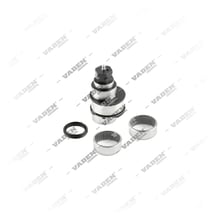
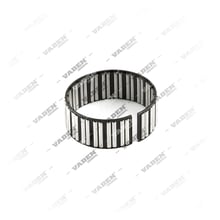
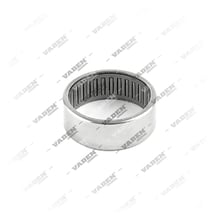
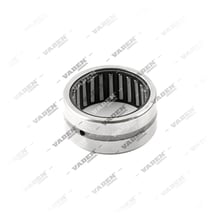
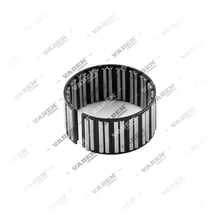
- Guide Bushing Set: Rubber or PTFE-based bushings that let the shaft slide within the bracket with minimal friction.
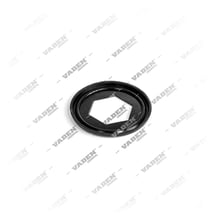
- Dust Boot Set: Flexible protective boots that shield the pin from dirt, moisture, and salt water.
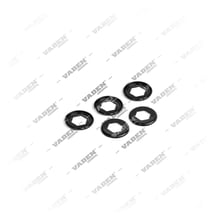
- Mounting Bolt and Nut Set: The fasteners that secure the caliper shaft to the carrier bracket.
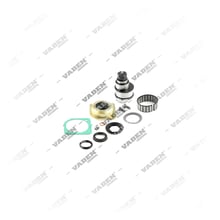
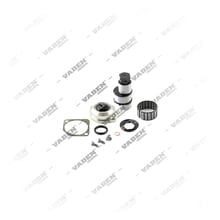
- Complete Caliper Shaft Kit: A set prepared for full replacement, supplying the pin, bushing, boot, and fasteners in a single package.
How to Choose the Right Brake Caliper Shaft?
The first step in choosing a caliper shaft is to correctly identify the vehicle's caliper brand and model (such as Wabco, Knorr-Bremse, or Bendix); two pins that look identical can be incompatible due to a difference in diameter or length. The second step is deciding whether a complete unit or a repair kit is required: if there is deep pitting, bending, or breakage, a complete shaft is needed; if only the boot is torn or the bushing is worn, a repair kit may be sufficient. Comparing the OEM reference number against the VADEN ORIGINAL code prevents incorrect installation. The table below summarizes the key criteria to consider during the selection process.
Caliper Shaft Selection Criteria| Criterion | Evaluation Point |
|---|
| Caliper Brand/Model | Must be matched against the Wabco, Knorr-Bremse, or Bendix caliper code |
| Pin Surface Condition | Pitting, bending, or rust requires a complete shaft replacement |
| Bushing and Boot Condition | A repair kit may be sufficient if only torn or worn |
| Dimensional Match | Diameter and length must be confirmed against the OEM reference number |
| Operating Conditions | Coated, durable pins are preferable on routes with heavy salt and moisture exposure |
| Mounting Set | Supplying bolts, nuts, and grease together shortens labor time |
Brake Caliper Shaft Maintenance and Points to Watch
- Periodic Grease Check: Check the grease layer between the shaft and bushing during routine maintenance; renew it with manufacturer-approved grease if it has dried out.
- Dust Boot Inspection: Visually check the boots for tears or cracks; a damaged boot must be replaced immediately.
- Free-Sliding Test: When the caliper is removed, confirm that the shaft slides easily by hand within the bracket without sticking.
- Correct Tightening Torque: Tighten the mounting bolts to the torque value specified by the caliper manufacturer; under- or over-tightening causes premature wear.
- Full Set Installation: When replacing the shaft, renew the pin, bushing, and boot together to prevent repeat failures caused by mismatched wear.
Common Faults and Their Solutions
- One-Sided Pad Wear: Caused by a seized or corroded caliper shaft; clean and grease the pin, or replace it with a complete shaft if necessary.
- Steering Pull During Braking: Caused by a caliper on one side that cannot slide freely; check the shaft and bushing set and renew if worn.
- Uneven Wear on the Brake Disc: Caused by the caliper failing to sit parallel to the disc; correct the shaft bending or bushing clearance, fitting a complete shaft if necessary.
- Squealing or Metallic Noise from the Brake System: Caused by a dry or worn guide bushing; renew the bushing and grease set.
- Caliper Not Retracting: A corroded pin surface increases sliding resistance; if rust is found upon removing the shaft, apply a complete replacement.
Why VADEN ORIGINAL?
VADEN ORIGINAL caliper shafts are manufactured to OE dimensions and coating standards to meet the needs of heavy commercial vehicle fleets.
- OE-Dimension Manufacturing: Precise diameter and length tolerances that fit Wabco and Knorr-Bremse calipers without issue.
- Broad OEM Cross-Reference Coverage: Makes it easy to find the correct part quickly and reduces the risk of incorrect installation.
- Corrosion-Resistant Coating: A hardened surface coating that keeps the pin sliding smoothly over the long term.
- Complete Set Option: Supplying the pin, bushing, boot, and fasteners together shortens labor time.
- International Quality Standard: Manufacturing tested under heavy-duty conditions and exported to over 100 countries.
Conclusion
The Caliper Shaft is an unseen but critical component for the balanced and safe operation of the disc brake system. Choosing a caliper shaft in the correct dimension and OE quality directly affects both pad life and braking performance. When signs of wear appear, decide whether full replacement or a repair kit is needed based on the condition of the pin's surface. VADEN ORIGINAL caliper shafts and repair kits offer a reliable, long-lasting solution for heavy commercial vehicle fleets.
Frequently Asked Questions (FAQ)
What does a caliper shaft do?
The caliper shaft is the guide pin that connects the disc brake caliper to its carrier bracket and allows the caliper to slide relative to the brake disc. This sliding motion lets the caliper apply equal, balanced pressure to both pads, preventing uneven pad wear and brake pull.
What symptoms appear when a caliper shaft wears out?
The most common symptoms are one-sided pad wear, steering pull during braking, uneven wear on the brake disc, and squealing noises from the brake system. If any of these symptoms appear, the shaft, bushing, and dust boot should be inspected.
Should I replace the caliper shaft completely, or is a repair kit enough?
If the pin body shows pitting, bending, or corrosion, a complete caliper shaft replacement is required. If the issue is only a torn dust boot or a worn bushing, repairing with a repair kit is usually sufficient and more economical.
Which caliper brands are VADEN ORIGINAL caliper shafts compatible with?
VADEN ORIGINAL caliper shafts are manufactured to OEM dimensions to fit the Wabco, Knorr-Bremse, and Bendix caliper groups commonly used on heavy commercial vehicles. It is recommended to confirm the caliper brand and model before ordering.
What should be checked during caliper shaft installation?
During installation, manufacturer-approved grease should be applied between the pin and bushing, the dust boot should be fitted without damage, and the mounting bolts should be tightened to the torque value specified by the caliper manufacturer. Insufficient grease or incorrect torque leads to premature wear and sliding problems.
Related technical guide: Brake Caliper Overhaul Kit: Guide Pins, Boots & Adjuster