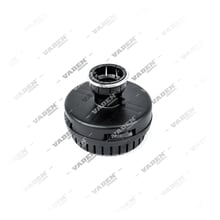
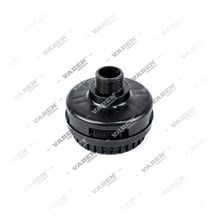
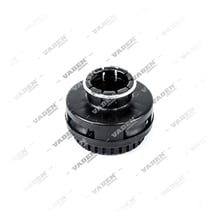
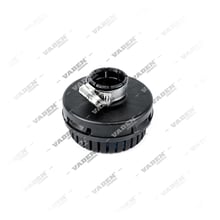
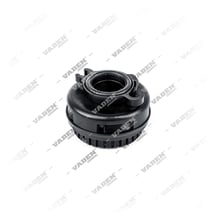
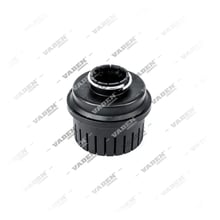
What Is an Air Processing Unit Silencer?
The Air Processing Unit Silencer is a small but functional component fitted to the air dryer and air processing unit of heavy commercial vehicles, and its job is to quiet the noise made by pressurized air as it is vented to atmosphere during regeneration and purge cycles. In the field it is also known as an "exhaust silencer," "purge silencer," or "breather filter." As the air processing unit dries the damp, contaminated air coming from the compressor and routes it to the brake circuit, the drying cartridge is periodically cleaned in a regeneration event, and the moisture- and residue-laden air built up inside is expelled outward in a short, sharp burst. The Air Processing Unit Silencer is exactly what handles that moment: it muffles the high-flow discharge while also stopping environmental contaminants from finding their way back into the system. It is fitted as standard on Wabco- and Knorr-Bremse-type air processing units across Mercedes-Benz, MAN, Scania, Volvo, DAF, Iveco, Renault Trucks, and BMC heavy vehicles.
Function and Operating Principle of the Air Processing Unit Silencer
During normal operation, the air processing unit passes compressor air through the drying cartridge, captures the moisture, and directs the now-dry air to the brake circuit. In the regeneration phase, which occurs at set intervals, the moisture trapped in the cartridge is purged by a reverse flow of dry air; this purge instantly creates a high-flow, high-pressure burst of air. The Air Processing Unit Silencer routes that burst through a porous internal structure that disperses the acoustic energy, turning what would otherwise be a sharp bang into a softer, more manageable exhaust sound.
- Noise Attenuation: Markedly reduces the sound produced by the high-flow discharge during regeneration.
- Dirt and Moisture Barrier: Keeps dust, moisture, and road salt from the outside environment from re-entering the system.
- Dryer Protection: Helps shield the drying cartridge and valve assemblies from contamination.
Technical Specifications of the Air Processing Unit Silencer
The silencer housing is typically manufactured from impact-resistant plastic or aluminum, with a sound-absorbing porous element or sintered filter mounted inside. The connector fits onto the purge port of the air processing unit as either a threaded or bayonet-type fitting; the exact size and thread standard vary by manufacturer and model, so it is essential to check the vehicle maker's current service manual or the original part reference before installation. The silencer is engineered to withstand sudden high-flow pressure surges as well as the system's normal operating temperature range, and it is expected to resist UV exposure, road salt, and moisture. Compatibility is determined by the brand and model of the air processing unit together with the thread size of the purge port; getting this wrong risks an air leak or a loose connection.
Types and Subgroups of Air Processing Unit Silencers
- Threaded-Connection Silencers: The most common type, screwed directly into the purge port of the air processing unit.
- Bayonet-Type Silencers: Designed for quick removal and installation, using a latch-style connection.
- Filter-Element Silencers: Fitted with a replaceable or fully exchangeable sintered filter, combining both noise reduction and dust retention.
- Compact Silencers: Smaller-bodied versions built for chassis layouts with tight mounting space.
- High-Flow Silencers: Models with increased discharge capacity, matched to larger air processing units and higher-capacity compressors.
How to Choose the Right Air Processing Unit Silencer
Choosing the correct silencer starts with confirming the brand and model of the vehicle's air processing unit, followed by the connection type and thread size of the purge port. Cross-checking against the original part number removes the risk of an incorrect size or an incompatible connection. The table below summarizes the key criteria to weigh during selection.
Air Processing Unit Silencer Selection Criteria| Criterion | Description |
|---|
| Air Processing Unit Brand | Connection geometry differs by unit brand, such as Wabco or Knorr-Bremse |
| Connection Type | Threaded fitting or bayonet latch must be correctly identified |
| Thread Size | Must match the purge port's thread standard exactly |
| Filter Structure | The sintered or porous element determines dust and moisture retention capacity |
| Operating Temperature | Temperature range suited to engine-bay and under-chassis conditions |
| Vehicle Compatibility | Mercedes-Benz, MAN, Scania, Volvo, DAF, Iveco, Renault Trucks, BMC |
Air Processing Unit Silencer Maintenance and Points to Watch
- Carry Out Periodic Visual Checks: Inspect the silencer housing regularly for cracks, deformation, or excessive fouling.
- Watch for Blockages: A build-up of dust, mud, or ice can increase discharge resistance and reduce regeneration performance; clean or replace the silencer as needed.
- Do Not Overtighten During Installation: Excessive torque on threaded types can crack the housing; follow the torque value specified in the vehicle maker's current service manual.
- Monitor Any Change in Sound: A sudden increase in discharge noise or a whistling sound can indicate the silencer is worn or damaged.
- Use OE-Size Parts: Incompatible or low-quality silencers can both increase noise levels and let contaminants into the air processing unit.
Common Failures and Their Solutions
- Excessive Noise During Regeneration: Usually caused by a worn or cracked silencer element; replace the silencer with an OE-specification part.
- Leak at the Purge Port: Can result from a loose connection or damaged threads; retighten the connection to the correct torque or replace the silencer.
- Longer Regeneration Times: A clogged silencer filter may be restricting airflow; clean the silencer or fit a new one.
- Moisture or Dirt Build-Up Around the Silencer: A sign that the filter element is no longer doing its job; inspect the part and replace it if necessary.
- Visible Cracking or Breakage: Usually caused by excessive installation torque or material fatigue; replace the damaged part immediately with an OE-size silencer.
Why VADEN ORIGINAL?
- Manufactured to OE Dimensions: Air Processing Unit Silencer products are made to match the original connection geometry and thread standard exactly.
- Broad OEM Cross-Reference: Compatible with Wabco and Knorr-Bremse air processing units, with a reference range covering a wide number of vehicle brands.
- Durable Material Selection: Engineered to withstand high-flow discharge surges and demanding climate conditions.
- Global Quality Standard: Manufactured on a production line that exports to more than 100 countries, with consistent OEM-equivalent quality control.
Conclusion
Despite its small size, the Air Processing Unit Silencer plays an important role in both driving comfort and keeping the interior of the air processing unit clean. It quiets the high-flow discharge produced during regeneration, blocks dirt and moisture from entering from outside, and helps the system run reliably over the long term. Choosing an OE-quality silencer in the correct connection type and size both prevents noise complaints and lowers air dryer maintenance costs.
Frequently Asked Questions (FAQ)
What does an Air Processing Unit Silencer do?
It reduces the noise of the high-flow pressurized air the air processing unit vents during its regeneration phase, and it blocks dust, moisture, and other contaminants from the outside environment from re-entering the system. This lowers noise levels and helps protect the air dryer cartridge.
What happens if the silencer gets clogged?
A clogged silencer increases discharge resistance, extends the regeneration cycle, and can reduce the performance of the air processing unit. If ignored for long enough, drying efficiency drops and the risk of moist air entering the brake circuit increases.
Why does the silencer make a whistling sound?
This is usually caused by a worn or cracked silencer element, or a loose connection. In that case, the silencer should be visually inspected and, if needed, replaced with a new one of the correct OE size.
Which vehicles use an Air Processing Unit Silencer?
It is used together with Wabco- and Knorr-Bremse-type air processing units on heavy commercial vehicles such as Mercedes-Benz, MAN, Scania, Volvo, DAF, Iveco, Renault Trucks, and BMC. Correct compatibility requires confirming the vehicle and unit model.
How long does replacing the silencer take, and does it require special tools?
Since most silencers use a threaded or bayonet connection, replacement can usually be done quickly with simple hand tools. Following the torque value specified by the vehicle manufacturer during installation is important to prevent the housing from cracking.
Related technical guide: Air Processing Unit (APU/EAC): Faults, Replacement & Care