
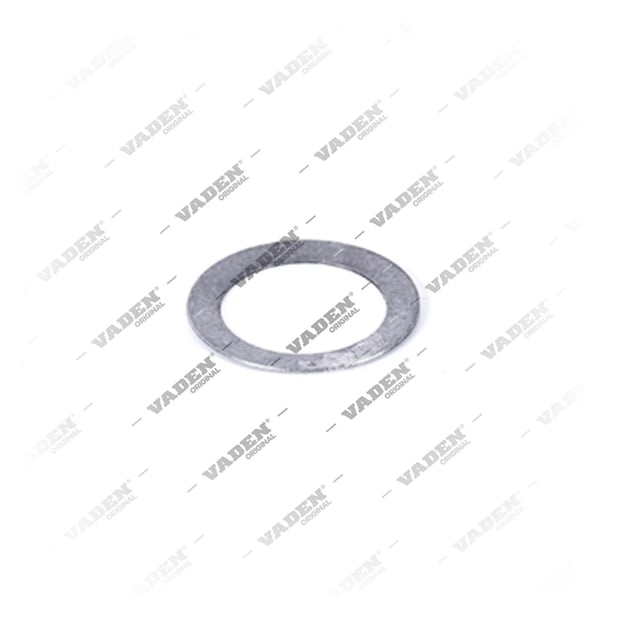
4020004 Caliper Mechanism Washer for Air Disc Brakes
4020004
Summary
This brake caliper mechanism washer is designed for air disc brake caliper mechanisms. It provides essential stability and fitment within the braking system, manufactured with heavy-duty grade materials to withstand high-stress industrial environments.
| EAN Code | 8683457022485 |
|---|
Ready to Order
Description
What does a brake caliper mechanism washer do?
This brake caliper mechanism washer plays a critical role in the stability and proper alignment of air disc brake caliper mechanisms. By maintaining correct spacing and reducing mechanical play, it ensures that the braking force is applied consistently across the system.Application and fitment
The component is engineered for heavy commercial vehicle air brake systems. It is designed to work within various caliper assemblies to prevent premature wear of larger mechanical components. While specific vehicle compatibility depends on the exact assembly, this part is intended for heavy-duty service applications.Maintenance and inspection
Maintenance technicians should inspect these washers during routine brake inspections. Checking for deformation or uneven wear can help prevent seized calipers or irregular pad wear. Proper installation ensures the mechanism operates smoothly under high pressure.Troubleshooting and selection
Consult your authorized distributor for specific application details.Related Products
Used In
FAQ
What is the function of a brake caliper mechanism washer?
It serves to stabilize the internal mechanisms of an air disc brake caliper, preventing excessive movement and ensuring consistent braking performance.
When should these washers be inspected?
Technicians should inspect them during every scheduled brake system service or if uneven pad wear or unusual mechanical noise is detected.
Can this part be used in passenger car brakes?
No, this component is specifically designed for heavy commercial vehicle air disc brake systems.
How can I identify if a washer needs replacement?
Look for signs of excessive mechanical play, irregular scoring on the mechanism, or visible deformation in the component.