
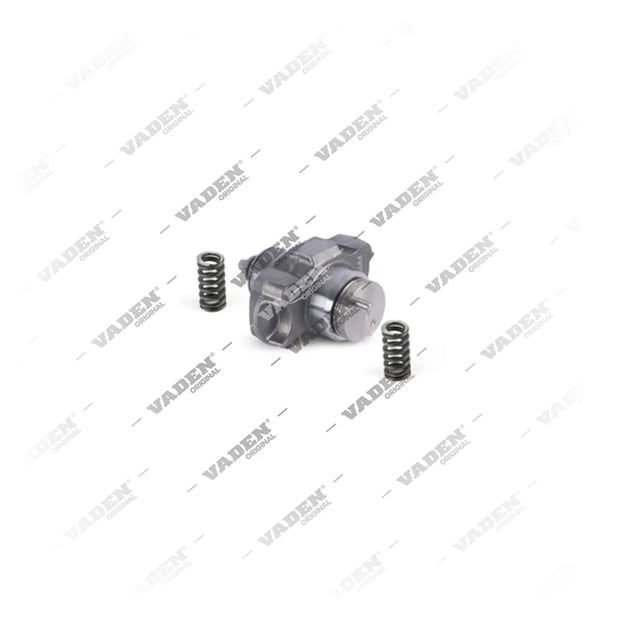
4006001 Brake Caliper Mechanism for Wabco systems
4006001
Summary
This brake caliper mechanism is designed for Wabco systems, featuring a 110 mm diameter. Built with heavy-duty grade materials, it ensures reliable performance for heavy commercial vehicle braking systems.
| EAN Code | 8683457005990 |
|---|
Ready to Order
Description
What does a brake caliper mechanism do?
This brake caliper mechanism serves as a critical component within the air disc brake system, ensuring precise pressure application to the disc to facilitate effective deceleration. It is engineered with high-strength components to withstand the intense thermal and mechanical stresses encountered during heavy-duty braking cycles.Compatibility and technical specifications
The mechanism is designed to be compatible with Wabco systems, providing a reliable alternative for maintaining fleet safety. It features a 110 mm diameter specification to ensure accurate fitment and optimal hydraulic or pneumatic engagement within the braking assembly.Installation and maintenance guidance
For optimal performance, workshop technicians should inspect the mechanism during routine brake system service. Checking for uneven wear or leaks around the seals is essential to maintain the integrity of the braking force. Always ensure that all mounting surfaces are clean and torque specifications are strictly followed during installation.Technical Specifications
| Diameter | 110 mm |
|---|
Related Products
Repair Kits
Used In

FAQ
What is the primary function of this brake caliper mechanism?
It acts as a vital part of the air disc brake system, converting pneumatic pressure into mechanical force to press the pads against the disc for controlled stopping.
Which systems is this mechanism compatible with?
This specific component is designed to be compatible with Wabco systems used in heavy commercial vehicle braking assemblies.
What technical dimension is critical for this part?
This mechanism features a 110 mm diameter, which is essential for ensuring correct fitment and performance within the intended braking system.
How can a technician identify if a replacement is needed?
Technicians should look for signs of excessive wear, uneven disc contact, or leaks within the pneumatic circuit that suggest the mechanism is no longer performing optimally.