
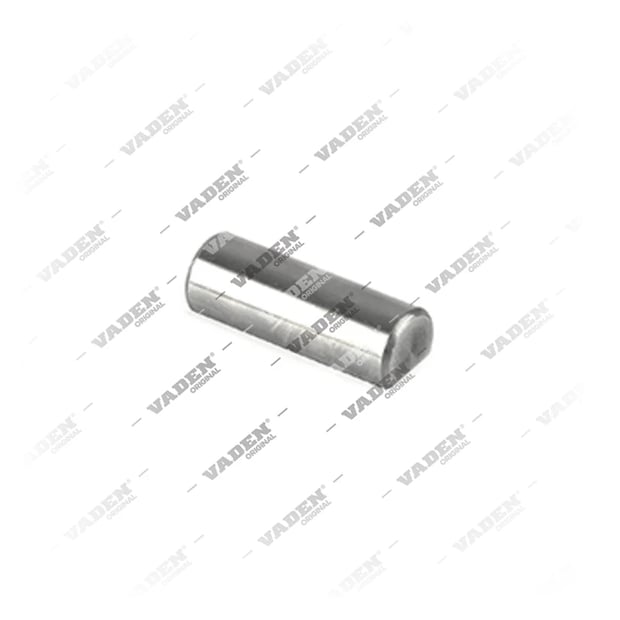
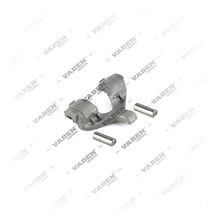
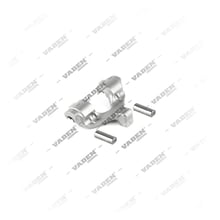
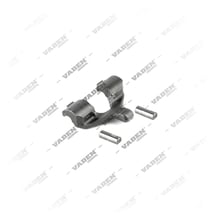
4011004 Actuating Lever Bearing for Brake Systems
4011004
Summary
This actuating lever bearing is a critical component within the air disc brake caliper actuation assembly. Designed for heavy commercial vehicle applications, it ensures smooth and precise movement of the actuating levers under heavy-duty conditions.
| EAN Code | 8683457025196 |
|---|
Ready to Order
Description
This actuating lever bearing plays a vital role in the pneumatic actuation system of air disc brakes. It facilitates the smooth rotation and positioning of the actuating levers, ensuring that braking force is transmitted accurately throughout the assembly.
The component is engineered to withstand high-stress environments within the braking system. By maintaining stable movement, it helps prevent uneven wear on the lever mechanism and ensures consistent braking performance for heavy commercial vehicles.
For proper maintenance, technicians should inspect the bearing during routine brake system servicing. Ensuring that the lever pivot points are free from debris and properly lubricated prevents premature wear of the bearing and maintains optimal brake responsiveness.
Check the compatibility list to ensure this part meets your specific requirements.
The component is engineered to withstand high-stress environments within the braking system. By maintaining stable movement, it helps prevent uneven wear on the lever mechanism and ensures consistent braking performance for heavy commercial vehicles.
For proper maintenance, technicians should inspect the bearing during routine brake system servicing. Ensuring that the lever pivot points are free from debris and properly lubricated prevents premature wear of the bearing and maintains optimal brake responsiveness.
Check the compatibility list to ensure this part meets your specific requirements.
Related Products
Used In
FAQ
What is the function of an actuating lever bearing?
The bearing allows the actuating lever to pivot smoothly during the braking process, ensuring precise mechanical movement within the air disc brake caliper.
Which systems is this part compatible with?
This component is designed for air disc brake caliper assemblies found in heavy commercial vehicle braking systems.
When should this bearing be inspected?
It is recommended to inspect bearings during any major service of the air brake system to prevent uneven braking or lever stiffness.
What are the signs of a worn actuating lever bearing?
Symptoms may include irregular braking force, unusual noise from the brake caliper area, or visible play in the actuating lever mechanism.