
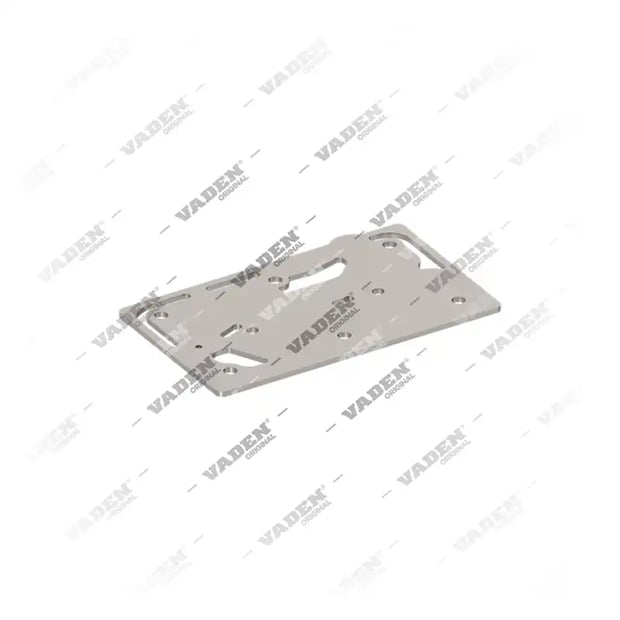
1700 160 350 Cooling Plate for Air Brake Compressors
1700 160 350
Summary
This compressor cooling plate is engineered for heavy commercial vehicle air brake compressors. It facilitates essential thermal management within the compression chamber to maintain system stability during continuous operation.
| EAN Code | 8699031068022 |
|---|
Ready to Order
Description
What does a compressor cooling plate do?
This compressor cooling plate plays a vital role in managing the thermal load within an air brake compressor. By facilitating efficient heat dissipation, it prevents overheating during high-speed or continuous operation, ensuring the longevity of the entire pneumatic braking system.Application in heavy commercial vehicles
Designed for heavy commercial vehicle applications, these components are essential for maintaining optimal compression temperatures. Whether used in water-cooled configurations with internal channels or air-cooled finned designs, they provide the necessary thermal stability required by workshop technicians and fleet managers.Installation and maintenance guidance
Proper installation of the cooling plate is critical for preventing air leaks and maintaining pressure consistency. Technicians should inspect the plate surfaces and gasket seating during every service interval to ensure no thermal deformation has occurred, which could otherwise impact braking performance.Ensuring system longevity
Maintaining stable temperatures within the compressor helps prevent premature wear of internal seals and pistons. Selecting high-strength components ensures that the cooling plate can withstand the rigorous thermal cycling typical of heavy-duty duty cycles.FAQ
What is the function of a compressor cooling plate?
The cooling plate manages heat within the air brake compressor to prevent overheating during operation, ensuring stable pneumatic pressure.
Can this part be used in both water-cooled and air-cooled systems?
Cooling plates are designed for specific thermal management needs, including water-cooled internal channels or air-cooled surface fins.
How do I know if a cooling plate needs replacement?
Signs of wear include inconsistent air pressure, overheating of the compressor housing, or visible thermal damage on the plate surface.
Is it necessary to replace gaskets when installing a new cooling plate?
It is highly recommended to use new gaskets and O-rings during assembly to ensure a proper seal and prevent pressure loss.