What Is a Solenoid Coil?
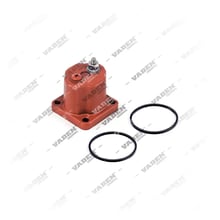
A solenoid coil is an electromechanical part that generates an electromagnetic field when current passes through it, pulling a core or plunger to open or close a connected valve. On heavy-duty trucks it is found throughout the fuel system, air suspension, transmission, and brake systems, where it regulates fuel delivery, air pressure, or hydraulic flow. In trucks, tractor units, buses, and trailers, the solenoid coil converts signals from the electronic control unit into mechanical movement in a fraction of a second, letting the engine and its supporting systems run accurately, efficiently, and safely.
What Does a Solenoid Coil Do?
- Converts electrical energy into motion: Current passing through the coil creates an electromagnetic field that pulls the valve plunger or core into position.
- Regulates fuel flow: Triggers injector and fuel shut-off valves to keep fuel delivery precise and consistent.
- Controls air suspension: Directs air flow to the suspension bellows, raising or lowering ride height on demand.
- Actuates transmission valves: Opens and closes the hydraulic valves that manage gear shifts in automatic transmissions.
- Manages brake system pressure: Regulates hydraulic or air pressure in ABS and other brake control systems for safer braking.
- Responds instantly: Reacts to an electrical signal in milliseconds, giving valves fast, precise switching.
Solenoid Coil Specifications
| Specification | Detail |
|---|
| Part type | Solenoid Coil |
| Systems used in | Fuel system, air suspension, transmission, and brake systems |
| Core function | Converts electrical energy into mechanical motion to actuate valves |
| Operating principle | Generates an electromagnetic field that moves a core/plunger to open and close valves |
| Control signal source | Electrical signals from the vehicle's electronic control unit (ECU) |
| Vehicle types | Trucks, tractor units, buses, and trailers/semi-trailers |
| Compatible brands | Mercedes-Benz, MAN, Scania, Volvo, DAF, Iveco, Renault, BMC, Ford, and Wabco / Knorr-Bremse equivalent applications |
| Range | 8 part numbers available in this category |
Solenoid Coil Types and Related Parts
- Fuel system solenoid coil: Used on injectors and fuel shut-off valves to regulate fuel flow.
- Air suspension solenoid coil: Controls air flow to the suspension bellows and manages ride-height leveling.
- Transmission control solenoid coil: Triggers the shift valves in automatic transmissions.
- ABS / brake system solenoid coil: Regulates hydraulic or air pressure inside ABS modulator valves.
- Hydraulic valve coil: Directs fluid flow in power steering and hydraulic brake systems.
- Coil connector plug and seal: Supporting parts that maintain the coil's electrical connection and sealing.
Solenoid Coil Maintenance Tips
- Check electrical connections: Inspect wiring and terminals regularly for corrosion or loose contacts.
- Test coil resistance: Use a multimeter to confirm the coil's resistance falls within the manufacturer's specified tolerance.
- Keep the coil area clean: Dust and debris buildup can cause overheating and reduced efficiency; clean it periodically.
- Verify the connected valve: Make sure the valve triggered by the coil opens and closes smoothly.
- Choose the correct part for your vehicle: Coil specifications vary by system and model, so always match the part to your vehicle.
- Schedule professional inspection: Have a qualified technician check the solenoid coil and its connected systems at regular intervals.
Common Solenoid Coil Problems and Fixes
- Valve not actuating: A failed coil leaves the fuel, air, or hydraulic valve stuck; test the coil and replace it if needed.
- Unusual clicking or buzzing noise: Abnormal noise during operation can signal a fault; inspect the wiring and coil housing.
- Electrical faults: If power reaches the coil but it doesn't respond, suspect a short or open circuit and check resistance with a multimeter.
- Loss of performance: Irregular fuel delivery or rough gear shifts can mean the coil isn't fully opening the valve; run a system diagnostic scan.
- Overheating: Excessive heat after extended operation points to internal wear or an electrical issue; consider replacing the coil.
Why Choose a VADEN ORIGINAL Solenoid Coil?
- OEM-grade manufacturing: Designed and built to original equipment manufacturer standards.
- Durable materials: Made from heavy-duty materials engineered for long service life under demanding conditions.
- Precise, responsive control: Delivers fast, accurate valve actuation that boosts overall system efficiency.
- Broad compatibility: Wide range covering Mercedes-Benz, MAN, Scania, Volvo, DAF, Iveco, Renault, BMC, and Ford heavy-duty applications.
- Reliable availability: 8 part numbers in the range for fast access to the right coil and stable supply.
- Technical support: Expert guidance available for solenoid coil selection and installation.
Frequently Asked Questions (FAQ)
What does a solenoid coil do on a truck?
A solenoid coil converts electrical energy into mechanical motion, actuating valves in the fuel system, air suspension, transmission, and brake systems of heavy-duty trucks. This lets the ECU precisely control fuel flow, air pressure, and hydraulic circuits.
What are the signs of a bad solenoid coil?
Common symptoms include a valve that won't open or close, unusual clicking or buzzing noises during operation, no response even though power reaches the coil, poor fuel delivery or rough gear shifts, and overheating of the coil itself.
Is a solenoid coil the same as a solenoid valve?
No, they're different parts. The solenoid coil is the electrical component that generates the electromagnetic field to create motion; the solenoid valve is the complete valve assembly that uses that motion to open and close fuel, air, or hydraulic flow. The coil is the part that makes the valve move.
What vehicles and systems use a solenoid coil?
Solenoid coils are used in the fuel system, air suspension, automatic transmission, and brake systems (including ABS) of trucks, tractor units, buses, and trailers. VADEN ORIGINAL solenoid coils cover Mercedes-Benz, MAN, Scania, Volvo, DAF, Iveco, Renault, BMC, and Ford applications, including Wabco / Knorr-Bremse equivalents.
How do you test a solenoid coil's resistance?
Disconnect the coil electrically from the vehicle or system, then measure the resistance across its two terminals with a multimeter. If the reading falls outside the manufacturer's specified tolerance range, the coil is faulty and should be replaced.
Can you keep driving with a faulty solenoid coil?
A faulty coil stops its connected valve from working, which can cause fuel delivery problems, suspension height issues, rough gear changes, or improper brake pressure control. It's best to have the coil inspected and replaced by a qualified workshop as soon as possible.
Conclusion
The solenoid coil is a critical component that converts electrical energy into mechanical motion to control valves across a heavy-duty truck's fuel, suspension, transmission, and brake systems. Regular maintenance, correct vehicle-specific selection, and prompt attention to early warning signs keep this component running reliably for the long haul. VADEN ORIGINAL's OEM-grade, durable solenoid coils are a standout choice for fleet owners and technicians who need precise control and dependable performance.