What Is a Transmission Cylinder?
A transmission cylinder is a hydraulic or pneumatic actuator that converts fluid or air pressure into mechanical movement to control gear engagement in a heavy-duty vehicle's transmission. Found on both mechanical and hydraulically-assisted gearboxes, it works alongside the clutch and shift linkage to move gear selector forks precisely and at the right moment, so gears engage cleanly without grinding or hesitation. This spare part is also referred to as a gearbox shift cylinder or gear actuator cylinder in the truck parts trade. By smoothing out each shift, it reduces mechanical shock on the gearbox internals and contributes directly to torque management across the drivetrain. VADEN ORIGINAL transmission cylinders are manufactured to OEM specification, giving fleet workshops a reliable, drop-in replacement for trucks, tractor units and buses.
What Does a Transmission Cylinder Do?
- Converts pressure into motion: Turns hydraulic fluid or compressed air pressure into the piston stroke that moves the gear selector mechanism.
- Smooths gear engagement: Times each shift precisely so gears engage without jerking, grinding or delay.
- Supports torque management: Helps balance torque delivery through the drivetrain during and after each gear change.
- Improves shift speed and accuracy: Enables fast, precise gear changes that keep the vehicle responsive under load.
- Protects the gearbox: Reduces mechanical wear on synchros and selector forks by cushioning the shifting action.
Transmission Cylinder Specifications
| Specification | Description |
|---|
| Operating principle | Converts hydraulic or pneumatic (air) pressure into mechanical shift movement |
| Application | Heavy-duty trucks, tractor units, buses and trailers with manual or semi-automatic transmissions |
| Actuation type | Hydraulic (fluid pressure) or pneumatic (compressed air) depending on gearbox design |
| Main components | Cylinder housing, piston, seals/gaskets, return spring, shift rod or fork linkage |
| Housing material | Wear-resistant material engineered to withstand repeated pressure cycles without cracking |
| Sealing | Precision seals that prevent fluid or air leakage and maintain consistent shift pressure |
| Compatibility | OE-equivalent fitment for Mercedes-Benz, MAN, Scania, Volvo, DAF, Iveco, Renault, BMC and other heavy-duty brands |
| Quality standard | Manufactured and tested to OEM specifications |
Transmission Cylinder Types and Sub-Components
- Hydraulic transmission cylinder: Actuated by transmission or clutch fluid pressure; common on manual gearboxes with hydraulic shift assist.
- Pneumatic transmission cylinder: Actuated by compressed air; widely used on heavy trucks and buses running air-assisted gear selectors.
- Piston assembly: The moving part that converts pressure into the linear force applied to the shift mechanism.
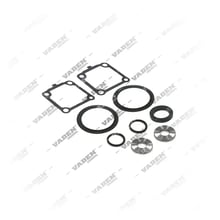
- Seals and gaskets: Keep hydraulic fluid or air contained within the cylinder to maintain full working pressure.
- Cylinder housing: Durable body that withstands internal pressure cycles without cracking or deforming.
- Return spring: Returns the piston to its resting position once a gear shift is completed.
How to Maintain a Transmission Cylinder
- Check fluid level: On hydraulic units, check transmission or clutch fluid level regularly and top up as needed.
- Inspect for leaks: Look for fluid seepage or air leaks around seals and fittings at scheduled service intervals.
- Clean and lubricate: Keep the piston and linkage free of dirt and properly lubricated to preserve smooth movement.
- Test shift response: Check for hesitation or delay when shifting, which often signals early cylinder wear.
- Schedule professional inspection: Have the transmission system checked periodically by a qualified technician.
- Use genuine replacement parts: Fit OEM-standard components like VADEN ORIGINAL to keep shift performance consistent.
Common Transmission Cylinder Problems and Fixes
- Stiff or hard gear changes: A worn or faulty cylinder can make shifting feel stiff; inspect the piston and seals for damage.
- Hydraulic fluid leaks: Fluid loss around the cylinder usually points to worn seals; replace the seal kit or the cylinder assembly.
- Unusual noise while shifting: Clunking or grinding sounds during gear changes can indicate internal cylinder wear or misalignment.
- Delayed gear response: A lag between shift input and gear engagement often signals an air leak or a failing seal in the cylinder.
- Reduced shift precision: Inconsistent or incomplete gear engagement calls for prompt inspection and, if worn, cylinder replacement.
Why Choose VADEN ORIGINAL Transmission Cylinders?
- OEM-standard manufacturing: Produced and tested to original equipment specifications for reliable fitment and performance.
- Built for durability: Wear-resistant materials designed to withstand continuous pressure cycles on demanding routes.
- Precise, consistent shifting: Supports smooth gear engagement and stable torque transfer under load.
- Wide vehicle coverage: Options engineered for major heavy-duty truck, tractor unit and bus platforms.
- Dedicated technical support: Expert guidance available for fitment, installation and maintenance questions.
Frequently Asked Questions (FAQ)
What are the symptoms of a failing transmission cylinder?
Common warning signs include stiff or hard gear changes, hydraulic fluid leaks around the cylinder, unusual clunking or grinding noise during shifts, and a noticeable delay in gear engagement. If any of these appear, have the transmission system inspected by a qualified technician.
How does a transmission cylinder work?
When the driver or the shift system triggers a gear change, hydraulic fluid or compressed air is directed into the cylinder. This pressure pushes the piston, which moves the shift fork or linkage to engage the selected gear. A return spring resets the piston once the shift is complete, readying the system for the next gear change.
Which vehicles use a transmission cylinder?
Transmission cylinders are used on heavy-duty trucks, tractor units, buses and trailers fitted with manual or semi-automatic gearboxes. OE-equivalent options are available for Mercedes-Benz, MAN, Scania, Volvo, DAF, Iveco, Renault and BMC heavy-duty models, among others.
When should a transmission cylinder be replaced?
Replace the cylinder when you notice hydraulic leaks, worn seals, stiff or delayed gear changes, or inconsistent shift engagement. Catching wear early during routine inspections helps avoid unexpected downtime and further drivetrain damage.
What should I check before buying a transmission cylinder?
Confirm the part is an exact OE-equivalent fit for your vehicle's make, model and transmission type, made from durable, wear-resistant materials, manufactured and tested to OEM standards, and backed by a solid warranty.
Is a transmission cylinder the same as a clutch slave cylinder?
No. A clutch slave cylinder operates the clutch release mechanism to disengage drive from the engine during a gear change. A transmission cylinder acts on the gear selector mechanism itself, moving the shift fork to actually engage the chosen gear inside the gearbox.
Conclusion
The transmission cylinder is a small component with an outsized role in heavy-duty vehicle performance, converting hydraulic or pneumatic pressure into the precise mechanical movement that engages every gear. Reliable operation depends on regular fluid checks, timely seal replacement and the use of quality replacement parts. VADEN ORIGINAL supplies OEM-standard transmission cylinders engineered for the demands of trucks, tractor units and buses, helping fleets keep gear changes smooth, fast and dependable mile after mile. Choose VADEN ORIGINAL transmission cylinders for consistent shift performance and long-term reliability.