What Is a Clutch Master Cylinder?
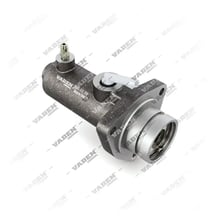
A clutch master cylinder converts the mechanical force applied to the clutch pedal into hydraulic pressure, then sends that pressure through the hydraulic line to the clutch slave cylinder. Also known as a clutch pump or clutch actuating cylinder, it controls how power is engaged and disengaged between the engine and gearbox, which is what makes clean, precise gear shifts possible. In trucks, tractor units, buses and trailers, the clutch pedal is pressed far more often and under far higher torque than in a passenger car, so the master cylinder needs to be built from durable materials and manufactured to OE standards to hold up under that load.
What Does a Clutch Master Cylinder Do?
- Generates hydraulic pressure: Converts the force applied at the clutch pedal into hydraulic pressure so the system can operate smoothly.
- Transmits motion: Sends the hydraulic pressure it builds through the line to the clutch slave cylinder, controlling the connection between engine and gearbox.
- Reduces pedal effort: Lightens the force needed at the pedal, giving the driver a softer, more comfortable clutch feel.
- Smooths gear changes: Ensures the clutch disc disengages cleanly and at the right moment, so gear shifts stay smooth and consistent.
- Maintains stable system pressure: Keeps hydraulic pressure steady in the circuit and prevents sudden pressure spikes or drops.
Clutch Master Cylinder Specifications
| Specification | Description |
|---|
| Part Name | Clutch Master Cylinder / Clutch Pump / Clutch Actuating Cylinder |
| System | Clutch system – hydraulic control line |
| Operating Principle | Converts pedal force into hydraulic pressure |
| Material | High-pressure, heat-resistant aluminium/cast body with wear-resistant seals and piston |
| Connections | Linked to the clutch pedal lever and the hydraulic line (pipe/hose) running to the slave cylinder |
| Application | Trucks, tractor units, buses, trailers and other heavy-duty commercial vehicles |
| Compatible Brands | Mercedes-Benz, MAN, Scania, Volvo, DAF, Iveco, Renault, BMC, Ford Trucks and other heavy-duty vehicle brands |
| Product Range | VADEN ORIGINAL Clutch – Master Cylinder (130+ part numbers) |
Clutch Master Cylinder Types and Related Parts
- Standard hydraulic master cylinder: The classic pedal-to-hydraulic-line design used across most heavy-duty vehicle models.
- Master cylinder with integrated reservoir: Fluid reservoir built into the cylinder body, simplifying installation and fluid-level checks.
- Master cylinder with remote reservoir: Fed from a separate fluid tank; a layout favoured on certain Mercedes-Benz and MAN models.
- Clutch slave cylinder: The complementary part that converts the hydraulic pressure from the master cylinder back into mechanical movement at the clutch fork.
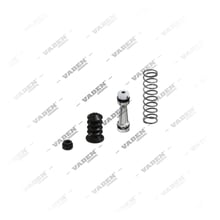
- Repair kits: Sets of wear parts — piston, seal, gasket and spring — used to overhaul a master cylinder rather than replace it outright.
Clutch Master Cylinder Maintenance and Inspection
- Check the hydraulic fluid level: Inspect the reservoir regularly and top up with the fluid grade recommended by the manufacturer if it's low.
- Inspect for leaks: Check the body and seal areas periodically for hydraulic fluid leaks, since even a small leak causes a real loss of clutch performance.
- Test pedal feel: Sudden stiffness, sponginess, or a delay when the pedal is pressed all call for an immediate system check.
- Bleed the hydraulic system: If air enters the hydraulic circuit, bleed the system to restore firm, consistent pedal feel.
- Check for internal wear: Inspect the piston, seal and spring for wear at regular intervals and replace them when needed.
- Use genuine-fit parts: Fit trusted brands such as VADEN ORIGINAL for replacements and repairs to keep the system reliable.
Common Clutch Master Cylinder Faults and Fixes
- Hydraulic fluid leaks: Fluid seeping from the body or seal area stops the clutch from fully engaging or disengaging; the leaking seal or housing needs to be replaced.
- Pressure loss / air in the system: Trapped air makes the pedal feel stiff or unresponsive; bleed the hydraulic circuit to clear it.
- Spongy or unresponsive pedal: A drop in hydraulic pressure can leave the pedal feeling dead; check the fluid level and look for leaks.
- Delayed clutch response: A pedal that reacts later than expected usually points to a worn piston or seal inside the master cylinder.
- Clutch slipping: Insufficient hydraulic pressure can prevent the clutch disc from fully disengaging, causing it to slip; the master cylinder may need replacing.
- Hard or juddering pedal: Worn or contaminated internal parts can give the pedal an abnormal feel; a repair kit overhaul is usually the fix.
Why Choose a VADEN ORIGINAL Clutch Master Cylinder?
- Durable, wear-resistant construction: High-grade materials deliver long service life even under high pressure and heat.
- Built to OE standards: Designed to match the original equipment specifications of Mercedes-Benz, MAN, Scania, Volvo, DAF, Iveco, Renault and BMC.
- Maximum hydraulic efficiency: Stable, high hydraulic performance with low maintenance requirements.
- Extensive product range: Over 130 part numbers covering master cylinders and repair kits for a wide range of heavy-duty vehicle models.
- Engineered for heavy-duty use: Built to keep performing reliably under tough road conditions and intensive daily use.
- A brand you can rely on: Years of experience in the heavy commercial vehicle spare parts sector, backed by technical support and warranty.
Frequently Asked Questions (FAQ)
What does a clutch master cylinder do?
A clutch master cylinder converts the force applied at the clutch pedal into hydraulic pressure and sends it to the clutch slave cylinder. This controls the connection between the engine and gearbox and is what makes gear changes possible.
What are the symptoms of a failing clutch master cylinder?
The most common signs are hydraulic fluid leaks, a pedal that feels stiff or spongy, delayed clutch response, and clutch slipping. If any of these appear, the system should be checked right away.
What's the difference between a clutch master cylinder and a slave cylinder?
The master cylinder converts pedal force into hydraulic pressure; the slave cylinder converts that pressure back into mechanical movement to operate the clutch fork. Together they form the hydraulic clutch system.
When should a clutch master cylinder be replaced?
Replace or rebuild the master cylinder as soon as you notice hydraulic leaks, a stiff or spongy pedal, delayed engagement, or clutch slipping, or when routine inspection shows a worn piston or seal.
Which truck brands do VADEN ORIGINAL clutch master cylinders fit?
VADEN ORIGINAL offers clutch master cylinders for a wide range of heavy-duty brands, including Mercedes-Benz, MAN, Scania, Volvo, DAF, Iveco, Renault and BMC.
How do you bleed a clutch hydraulic system?
Air is removed by opening the bleed screw on the slave cylinder and pumping the clutch pedal repeatedly until fluid runs through free of bubbles. Pedal feel should return to normal once the system is fully bled.
Conclusion
The clutch master cylinder is a safety-critical hydraulic component that keeps gear changes smooth, controlled and comfortable in heavy commercial vehicles. Regular fluid checks, leak inspections and the use of genuine-fit parts extend its service life and help fleets avoid unexpected breakdowns and costly downtime. VADEN ORIGINAL offers a wide range of clutch master cylinders and repair kits for Mercedes-Benz, MAN, Scania, Volvo, DAF, Iveco, Renault and BMC, giving heavy-duty fleets a reliable, durable and high-performing solution.