
JSK 34 Fifth Wheel Jost Type Equivalent
JSK 34
Summary
Jost type fifth wheels designed for heavy commercial vehicle applications. These high-strength components ensure secure coupling and stability between the tractor unit and the trailer in demanding transport environments.
Ready to Order
Description
What does a fifth wheel do?
A fifth wheel serves as the critical coupling mechanism between a tractor unit and a semi-trailer, allowing for articulation during turns and weight distribution across the chassis. Jost type fifth wheels are engineered to manage these immense structural loads while maintaining precise alignment during transit.
These components are essential for the stability of heavy commercial vehicles, ensuring that the connection remains secure under varying road conditions. By providing a reliable pivot point, they facilitate safer maneuvering and improved load management for fleet operators and workshop technicians.
Maintenance of the coupling interface is vital for long-term performance. Technicians should regularly inspect the locking mechanism and lubrication points to prevent excessive wear. Ensuring correct alignment during installation is critical to prevent uneven load distribution on the tractor chassis.
Selecting the correct fifth wheel type ensures optimal compatibility with existing trailer hardware. Check the compatibility list to confirm fitment for your specific vehicle configuration.
A fifth wheel serves as the critical coupling mechanism between a tractor unit and a semi-trailer, allowing for articulation during turns and weight distribution across the chassis. Jost type fifth wheels are engineered to manage these immense structural loads while maintaining precise alignment during transit.
These components are essential for the stability of heavy commercial vehicles, ensuring that the connection remains secure under varying road conditions. By providing a reliable pivot point, they facilitate safer maneuvering and improved load management for fleet operators and workshop technicians.
Maintenance of the coupling interface is vital for long-term performance. Technicians should regularly inspect the locking mechanism and lubrication points to prevent excessive wear. Ensuring correct alignment during installation is critical to prevent uneven load distribution on the tractor chassis.
Selecting the correct fifth wheel type ensures optimal compatibility with existing trailer hardware. Check the compatibility list to confirm fitment for your specific vehicle configuration.
Related Products
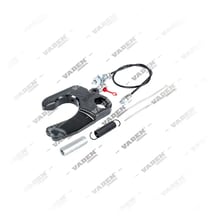
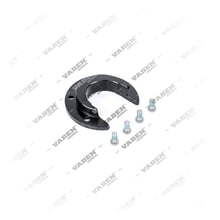
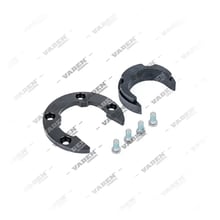
Repair Kits
FAQ
What is the primary function of a Jost type fifth wheel?
It acts as the primary connection point between a tractor unit and a semi-trailer, allowing for controlled articulation and load transfer.
How can I identify if a fifth wheel needs replacement?
Look for signs of excessive play in the coupling, uneven tire wear on the tractor, or visible damage to the locking mechanism.
Are these components suitable for heavy commercial vehicles?
Yes, these are designed specifically for heavy commercial vehicle applications to handle high-stress coupling requirements.
What should technicians check during installation?
Technicians should verify proper mounting height, ensure all bolts are torqued to specification, and confirm the locking jaw engages correctly.