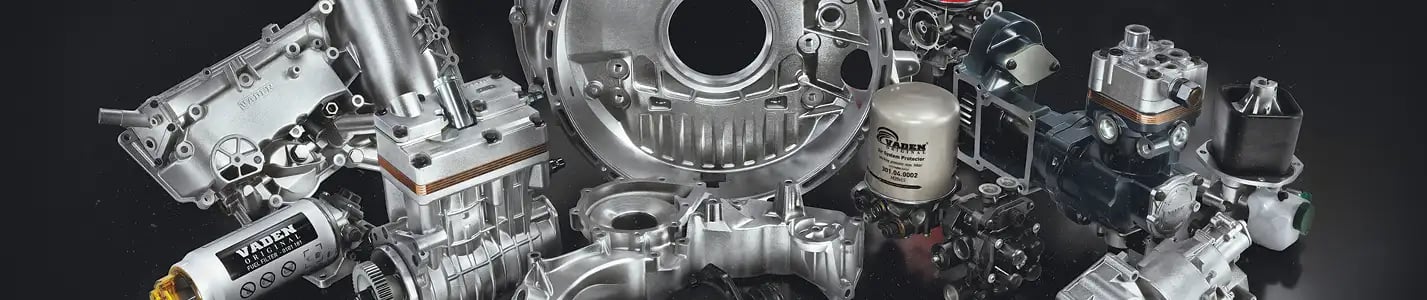
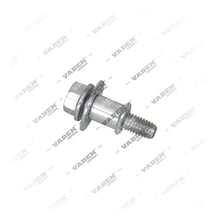
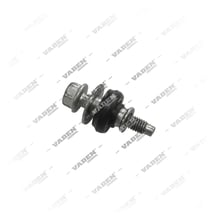
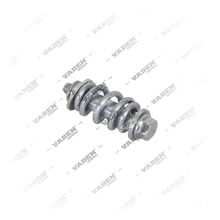
What Is a Valve Cover Bolt?
The valve cover bolt is the fastening component that secures the valve cover, located at the top of the engine, to the cylinder head. In heavy-duty commercial vehicle engines, the valve cover protects the valve mechanism, lubrication passages and camshaft from outside contamination, but it can only stay in place and remain leak-tight when its bolts are tightened to the correct torque and are in sound condition. In the field, this part is sometimes also called a "cover bolt," "valve cover screw," or "rocker cover bolt," but its function is always the same: to compress the gasket between the cover and the cylinder head with even pressure and prevent oil leaks. Although the valve cover bolt looks like a small component, it is an essential element of engine sealing and routine maintenance. In the VADEN ORIGINAL product range, these bolts are supplied in dimensions and material grades suited to Mercedes-Benz, MAN, Scania, Volvo, DAF, Iveco and Renault Trucks engines.
How Does a Valve Cover Bolt Work?
The valve cover bolt presses the cover onto the cylinder head with even, controlled pressure so that the gasket between them can perform its sealing function. The thermal expansion, vibration and oil pressure generated while the engine runs constantly stress this connection point; a bolt tightened to the correct torque prevents loosening under these loads. In most heavy-duty engines, valve cover bolts are not tightened one by one but in a specific sequence and in stages to a set torque value; this prevents the cover from warping and stops uneven pressure from building up on the gasket.
- Sealing Pressure: Presses the cover onto the gasket with even force to prevent oil leakage.
- Vibration Resistance: Keeps the connection from loosening under engine vibration and thermal cycling.
- Cover Positioning: Holds the valve cover correctly aligned on the cylinder head.
- Load Distribution: Spreads pressure evenly across the cover surface through the tightening sequence and torque value.
Valve Cover Bolt Technical Specifications
Valve cover bolts are typically manufactured from galvanized-coated or stainless steel material, giving them long-term resistance to engine oil and high temperatures. The torque value varies by engine make and model; it is generally tightened within a low-to-medium torque range (roughly 8-25 Nm, depending on the application), and over-tightening can crack the cover while under-tightening leads to leaks. Because the bolt head type (hex, torx, socket head), thread pitch and length can differ by engine model, exact matching to the original dimensions is critical. Always refer to the vehicle's current service manual for the exact torque value and tightening sequence. Some applications feature an integrated sealing washer (gasket washer) on the bolt; if this washer is damaged, leakage can persist even if the bolt alone is replaced.
Types and Subcategories of Valve Cover Bolts
- Standard Hex Head Bolt: Tightened with a conventional wrench or socket, the type commonly used in most heavy-duty engines.
- Socket Head (Allen) Bolt: Preferred in tight cover areas and on aesthetically designed covers.
- Washer (Gasket Washer) Bolt: Provides additional sealing through an integrated rubber or metal washer on the shank.
- Short-Shank Cover Bolt: Has a limited thread length to prevent over-tightening on plastic or aluminum valve covers.
- Long-Shank Cover Bolt: Requires greater thread length for engine types that use a thick gasket or an intermediate plate.
How to Choose the Right Valve Cover Bolt
Choosing the correct bolt requires an exact match of the original thread size, head type and shank length according to the engine make, model and production year. Selecting the wrong thread pitch or length can permanently damage both the cover and the cylinder head threads. The table below summarizes the key criteria to consider during the selection process.
Valve Cover Bolt Selection Criteria| Criterion | Why It Matters |
|---|
| Thread Size and Pitch | Ensures a perfect match with the cylinder head thread and prevents thread stripping |
| Head Type | Allows the correct torque to be applied with the appropriate tool |
| Shank Length | Provides the correct tightening depth for the cover and gasket thickness |
| Washer / Gasket Seal | Prevents oil leakage in applications that require additional sealing |
| Material and Coating | Provides corrosion resistance against engine oil and heat |
| Vehicle/Engine Compatibility | Matching by OEM reference number prevents installation errors |
Valve Cover Bolt Maintenance and Key Considerations
- Follow the Correct Torque Value: Over-tightening can crack the cover, under-tightening causes leaks; always use the value specified by the manufacturer.
- Observe the Tightening Sequence: Tighten the bolts crosswise or in the specified sequence, in stages, to prevent the cover from warping.
- Inspect the Threads: Do not reuse bolts with worn or stripped threads found during removal.
- Renew the Washers: On gasket-washer bolts, replace the washer along with the bolt if it has hardened or cracked.
- Use the Proper Tool: Tighten with a torque wrench to avoid errors caused by estimating tightness by hand.
Common Faults and Solutions
- Oil Leakage Around the Valve Cover: Loosened or unevenly tightened bolts; retighten in the correct sequence and to the correct torque, replacing the gasket if necessary.
- Ticking or Vibration Noise While the Engine Runs: Loose cover bolts; check all bolts and tighten to the specified torque.
- Thread Stripping During Removal: Over-tightened or corroded bolt; replace the damaged bolt and clean the threads.
- Cracking or Deformation of the Cover: Excessive torque applied to the bolt; apply the correct torque value and replace the cover if necessary.
- Recurring Oil Leak: Hardened washer or damaged gasket washer; renew the bolt together with its washer.
Why VADEN ORIGINAL?
- Manufactured to OE Dimensions: Thread size, head type and shank length match original engine specifications exactly.
- Broad OEM Coverage: Offers variants suited to Mercedes-Benz, MAN, Scania, Volvo, DAF, Iveco and Renault Trucks engine families.
- Durable Material and Coating: Made from quality material that provides corrosion resistance against engine oil and high temperatures.
- Consistent Sealing Performance: Bolts manufactured to precise tolerances distribute pressure evenly across the gasket.
- Exported to More Than 100 Countries: Manufactured to a quality standard proven across global service networks.
Conclusion
The valve cover bolt is a small but critical fastening component that forms the foundation of engine sealing and protection of the valve mechanism. A quality bolt installed with the correct size, correct torque and correct tightening sequence prevents oil leakage and supports the engine's reliable operation. With their OE-dimension manufacturing and broad vehicle compatibility, VADEN ORIGINAL valve cover bolts offer a dependable choice for heavy-duty commercial vehicle fleets.
Frequently Asked Questions (FAQ)
What does a valve cover bolt do?
A valve cover bolt secures the valve cover to the cylinder head, compressing the gasket between them with even pressure and preventing engine oil from leaking out. If it is not tightened correctly, both leakage and vibration noise caused by loosening can occur.
What torque should a valve cover bolt be tightened to?
The torque value varies by engine make and bolt type, and generally falls within a low-to-medium torque range. For the exact figure, always check the vehicle's current service manual, use a torque wrench, and avoid over-tightening.
If oil is leaking from the valve cover, should the bolts be replaced?
Oil leakage is usually caused by loosened or unevenly tightened bolts; simply retightening them in the correct sequence may be enough to fix it. However, if the bolt threads are worn, the washer has hardened, or the gasket is damaged, the bolt and gasket should be replaced together.
What is the difference between a washer-type valve cover bolt and a standard bolt?
Washer-type bolts have a gasket washer integrated into the shank, which provides an extra layer of sealing. On standard bolts, sealing relies entirely on a separate cover gasket; which type is used depends on the engine design.
Which vehicles are VADEN ORIGINAL valve cover bolts compatible with?
VADEN ORIGINAL valve cover bolts are manufactured in dimensions suited to Mercedes-Benz, MAN, Scania, Volvo, DAF, Iveco and Renault Trucks heavy-duty commercial vehicle engines. Before ordering, it is recommended to confirm compatibility using the engine code and OEM reference number.
Related technical guide: Engine Valve Train & Adjustment Shim: Faults, Replacement, Care