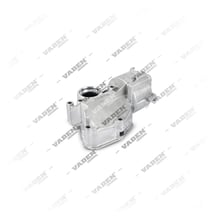
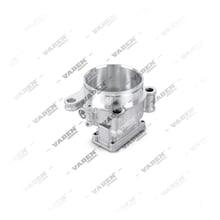
What Is a Gearbox Housing Body?
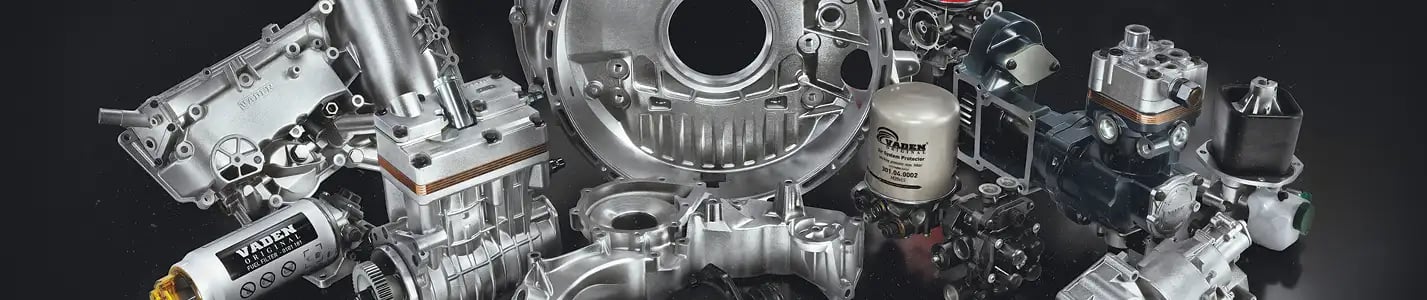
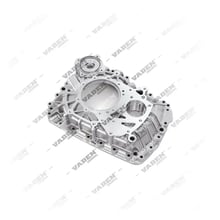
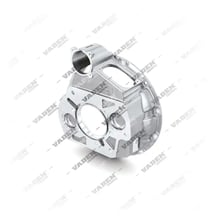
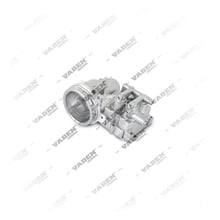
The transmission housing is the load-bearing casing in heavy commercial vehicles that encloses and protects the entire internal assembly of the gearbox – the gear set, shafts, synchronizer components, and lubrication system. In trucks, tractor units, and buses, this cast component forms the skeleton of the transmission and serves as the mechanical backbone of the power path between the engine and the differential. In the field it is also known as the "gearbox case," "transmission case," or "gearbox housing." The transmission housing keeps the gear sets and bearings precisely aligned inside it, ensuring smooth gear shifts and retaining the transmission oil within the system. Typically manufactured from cast aluminum or cast iron, this housing is engineered to withstand both high torque loads and road vibration.
How Does a Gearbox Housing Body Work?
The transmission housing provides a fixed reference frame for all the moving parts inside it. The main shaft, countershaft, and reverse idler shaft are mounted to bearing points on the housing via bearings, which keeps the distance and parallelism between the shafts constant. The housing surrounds the gear set, providing mechanical protection while also forming a sealed chamber that allows lubricating oil to circulate through the system. The torque and axial forces generated during gear shifts are transferred into the housing walls and safely absorbed at the chassis mounting points. The housing's bores also form the mounting points for the gear-shift linkage and the clutch system. When the structural integrity of the housing is compromised, gear alignment shifts, oil leaks begin, and the internal components of the transmission wear out rapidly.
Gearbox Housing Body Technical Specifications
Transmission housings are sized and manufactured according to heavy-duty operating conditions. The bearing seats and shaft bores on the housing are machined to tight tolerances to prevent gear misalignment, and the mounting flanges are produced to match the vehicle manufacturer's dimensions exactly. For critical values such as torque capacity and mounting bolt patterns, always consult the vehicle's current service manual; housing selection should never be based on guesswork regarding dimensions or torque tolerances.
- Material Structure: Spheroidal graphite (ductile) cast iron or high-strength aluminum alloy; aluminum is preferred in lighter vehicles, while cast iron is favored in heavy-tonnage tractor units.
- Bearing Seats: Machined to precise tolerances matched to shaft diameters, ensuring gear alignment is maintained.
- Lubrication Channel Layout: Oil sump volume and channel placement vary by transmission model; the oil type and level specified by the manufacturer must be observed.
- Mounting Flanges: Produced to the vehicle manufacturer's dimensions for engine and driveshaft mounting.
Gearbox Housing Body Types and Sub-Assemblies
- Main Housing (Case): The primary load-bearing part that encloses the gear set, shafts, and synchronizer components.
- Front Cover / Clutch Housing: The cover assembly that connects the transmission to the clutch and engine, surrounding the clutch mechanism.
- Rear Cover / Output Flange Housing: The rear housing section that holds the output shaft and where the driveshaft connection is made.
- Shift Lever Top Cover: The upper cover part on which the gear selection and shifting mechanism sits.
- Bearing Seats and Seal Bores: Precision-machined sections that connect the shafts to the housing and provide sealing.
- Oil Pan and Drain/Check Plug Section: The lower housing section where transmission oil collects and level checks are carried out.
How to Choose the Right Gearbox Housing Body
The most critical point when selecting a transmission housing is exact compatibility with the vehicle's transmission model, number of gears, and engine power; an incorrectly fitted housing leads to misalignment and premature failure. The mounting flange dimensions, bolt pattern, bearing seat diameters, and lubrication channel layout must match the original part exactly. The table below summarizes the key criteria to consider during the selection process.
Transmission Housing Selection Criteria| Criterion | Check Point |
|---|
| Transmission Model | Exact match with the gearbox make and model code |
| Material Structure | Cast iron or aluminum alloy, compliant with original specification |
| Mounting Flange | Engine and driveshaft mounting dimensions and bolt pattern |
| Bearing Seats | Precision machining to shaft diameters and bearing tolerances |
| Lubrication System | Original-spec match in oil sump volume and channel placement |
| Vehicle Compatibility | Mercedes-Benz, MAN, Scania, Volvo, DAF, Iveco, Renault Trucks applications |
Gearbox Housing Body Maintenance and Key Points to Watch
- Check the Oil Level Regularly: A low oil level inside the housing causes the gears and bearings to run dry, leading to premature wear.
- Monitor Sealing Points: Even the smallest leak at the seal and gasket areas leads to oil loss over time and damage to the internal components.
- Follow Mounting Torque Specifications: Tighten the cover and flange bolts to the torque value specified by the vehicle manufacturer; over- or under-tightening can crack the housing.
- Verify Alignment: When replacing the housing, make sure the engine and driveshaft alignment is not disturbed, and have an alignment check performed if necessary.
- Protect Against Impact and Vibration: Check the chassis mounting points periodically to ensure they have not loosened.
Common Faults and Their Solutions
- Oil Leaking from the Housing: This can be caused by a worn seal or a cracked gasket surface; locate the leak point and replace the relevant seal or gasket with an original part.
- Stiffness or Sticking During Gear Shifts: This can indicate misalignment inside the housing or bearing wear; check the bearing seats and replace the housing if necessary.
- Cracks or Fractures on the Housing: These result from excessive torque, impact, or fatigue; a cracked housing should be replaced completely rather than repaired.
- Abnormal Noise or Vibration: This can be caused by loose mounting bolts or worn bearing seats; check bolt torques and inspect bearing condition.
- Rapid Drop in Oil Level: This can indicate a hidden leak or a porous casting defect; pressure-test the housing and replace it if necessary.
Why VADEN ORIGINAL?
- Manufactured to OE Dimensions: Transmission housings are produced to match original equipment tolerances and material specifications exactly.
- Extensive OEM Coverage: A wide product range is offered, compatible with Mercedes-Benz, MAN, Scania, Volvo, DAF, Iveco, and Renault Trucks transmission systems.
- Rigorous Quality Control: Every housing undergoes detailed inspection for alignment and sealing during the production process.
- Exports to Over 100 Countries: VADEN ORIGINAL parts are used with confidence by fleet operators and service centers worldwide.
Conclusion
The transmission housing is a structural component that protects and precisely aligns all the internal parts of the gearbox; when its condition deteriorates, the entire transmission is put at risk. Choosing a housing with the correct material, dimensions, and connection compatibility directly affects both driving safety and maintenance costs. VADEN ORIGINAL transmission housing products deliver OE-quality manufacturing and broad vehicle compatibility, providing solutions tailored to the needs of heavy commercial vehicle fleets.
Frequently Asked Questions (FAQ)
What is a transmission housing and what does it do?
A transmission housing is the load-bearing cast component that encloses the gearbox's gear set, shafts, and lubrication system. It keeps the gears precisely aligned, retains the oil within the system, and ensures torque is transmitted safely.
What should I do if my transmission housing is leaking oil?
First determine whether the leak originates from a seal, a gasket surface, or a crack in the housing itself. Leaks caused by seals and gaskets can be resolved by replacing them, but if the housing itself is cracked, the entire part must be replaced.
What material is a transmission housing made from?
Housings are typically manufactured from spheroidal graphite (ductile) cast iron or high-strength aluminum alloy. The choice of material depends on the vehicle's tonnage, transmission model, and the manufacturer's original design specification.
How does replacing the transmission housing affect gear shifting?
A worn or damaged housing disrupts the alignment of the bearing seats, causing stiffness or sticking during gear shifts. Fitting a new housing built to original dimensions restores correct gear alignment and shifting comfort.
Which vehicles are VADEN ORIGINAL transmission housings compatible with?
VADEN ORIGINAL housings are compatible with the transmission systems used in Mercedes-Benz, MAN, Scania, Volvo, DAF, Iveco, and Renault Trucks heavy commercial vehicles. Before ordering, it is recommended to verify the transmission model code with VADEN technical support.
Related technical guide: Heavy-Duty Truck Gearbox: Faults, Replacement & Maintenance