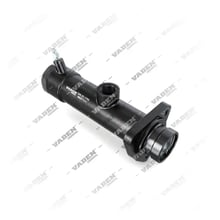
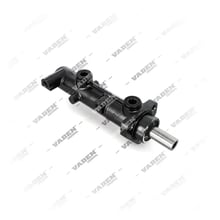
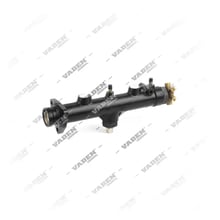
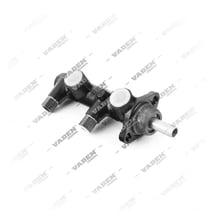
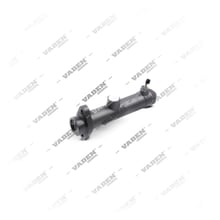
What Is a Brake Master Cylinder?
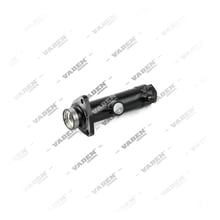
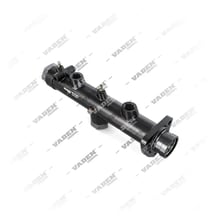
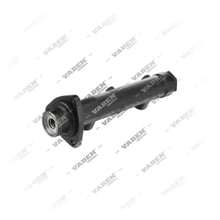
The Brake Master Cylinder is the complete main unit in heavy commercial vehicles that converts brake pedal force into hydraulic or air-over-hydraulic pressure. In the field it is also known as the "master pump," "brake pump," or simply "master cylinder." This category covers complete, ready-to-install cylinder units — housing, piston assembly, reservoir cap, and seal sets included — rather than individual repair parts. On trucks, tractor units, buses, and trailers it sits directly behind the brake pedal, forming the first link that transmits the driver's applied force into the brake circuit.
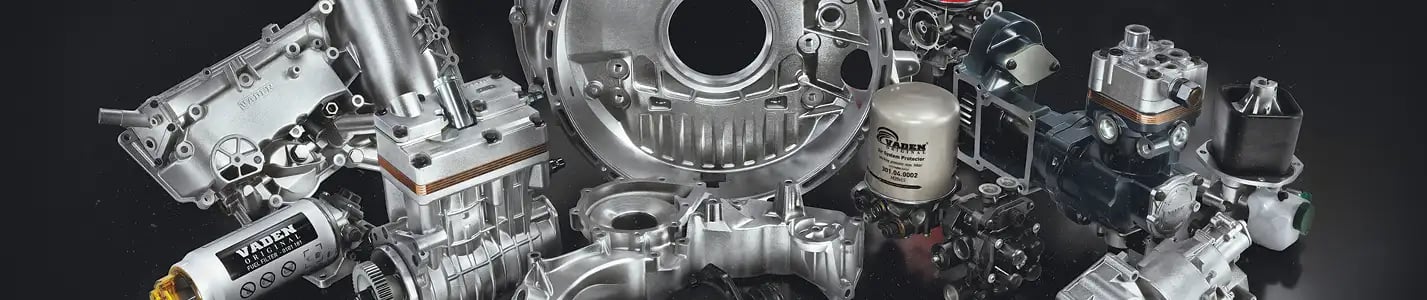
When this unit fails, pedal travel increases, brake response is delayed, or the brake system can be disabled altogether — which is why a complete replacement should never be postponed. VADEN ORIGINAL brake master cylinders are manufactured to OE dimensions and match the vehicle's original brake geometry exactly.
How Does a Brake Master Cylinder Work?
When the driver presses the pedal, the push rod connected to the pedal arm pushes the piston inside the master cylinder. The piston compresses fluid drawn from the reservoir and sends pressure into the circuit; this pressure then travels through the brake lines to the wheel units, valve assemblies, or the booster system. In heavy vehicles this mechanism usually works alongside an air-assisted booster, with the master cylinder acting as the system's command point.
When the pedal is released, the return spring pulls the piston back to its original position, drawing fresh fluid from the reservoir to refill the circuit. The seal assembly maintains sealing throughout; wear or cracking leads to pressure loss and a soft pedal feel. Consistent pressure generation depends on the bore tolerance of the complete unit and the fit between piston and housing.
Brake Master Cylinder Technical Specifications
Three parameters are decisive when selecting a complete unit: piston diameter (bore), mounting flange dimensions, and push rod connection type. Piston diameter directly affects the hydraulic pressure generated; an incorrect bore size causes pedal firmness or brake lag issues. Flange hole spacing and housing length determine fitment with the pedal box and booster.
Housing material is usually cast iron or an aluminum alloy; aluminum housings save weight, while cast-iron housings excel in high-pressure durability. Reservoir capacity, a level sensor's presence, and single- versus dual-circuit (tandem) design vary by model. For exact torque, pressure, and tolerance values, always consult the vehicle manufacturer's current service manual.
Brake Master Cylinder Types and Subgroups
- Single-Circuit Complete Cylinder: A unit with a single hydraulic outlet, used on older-generation or simpler brake-layout vehicles.
- Tandem (Dual-Circuit) Complete Cylinder: Feeds the front and rear circuits through separate pressure lines; if one circuit fails, the other keeps operating, providing built-in safety redundancy.
- Units with Sensor-Equipped Reservoir Caps: Models with an integrated level switch that alerts the dashboard when fluid level drops too low.
- Booster-Integrated Complete Assemblies: Complete sets combined with a pneumatic or vacuum-assisted booster, shortening installation time.
- Units Built Similarly to the Clutch Master Cylinder: On some vehicle families the brake and clutch master cylinders share a similar housing design; vehicle-specific verification avoids confusion.
How to Choose the Right Brake Master Cylinder
The most common mistake when buying a complete unit is confusing a repair kit with a complete cylinder. If the housing shows pitting, the inner surface is scored, or there is wear clearance between piston and bore, seal replacement alone is not enough — a complete unit replacement is required. Follow these steps when selecting:
- Verify by Chassis Number: Confirm the part number against the chassis number rather than the model year; different cylinder versions can exist within the same model.
- Match the Piston Diameter: An incorrect bore size disrupts pedal feel and brake balance.
- Check the Single/Dual Circuit Layout: Never fit a single-circuit unit without preserving the vehicle's original tandem configuration.
The table below summarizes the decision criteria.
Brake Master Cylinder Selection and Decision Criteria| Criterion | Complete Unit Replacement | Repair Kit Sufficient |
|---|
| Scoring/pitting on the housing | Yes, housing must be replaced | No |
| Only seal hardening | Not required | Yes |
| Pedal goes to the floor | Yes, priority check | May be partially sufficient |
| Contaminated/sludged fluid | Yes, unit + fluid replacement | No |
| Only the reservoir cap is faulty | No | Cap/sensor replacement is sufficient |
| OEM part number match | Must be verified with product label and chassis number | Must be verified the same way |
Brake Master Cylinder Maintenance and Key Precautions
- Check Fluid Compatibility Before Installation: Use the brake fluid class specified by the vehicle manufacturer; the wrong fluid damages seal material.
- Always Bleed the System: If air bleeding is not carried out completely after installing the new unit, the pedal stays spongy.
- Mind Flange Sealing: Use the original gasket where the housing joins the booster; over-tightening can deform it.
- Check for Leaks on First Use: Inspect the connection points for leaks during the first brake tests after installation.
- Fully Drain the Old Fluid: Old, moisture-laden fluid left in the system can cause early corrosion on the new unit's internal surface.
Common Faults and Solutions
- Pedal Slowly Sinks to the Floor: Points to internal seal leakage or piston wear; a complete unit replacement is required.
- Pedal Feels Hard and Unresponsive: Usually a problem in the booster connection or push rod adjustment; check the connection along with the unit.
- Air Keeps Entering the Brake Line: The reservoir cap seal or piston cup is damaged; repeat bleeding and replace the unit if necessary.
- Fluid Leak Around the Housing: Caused by a cracked housing or a failed seal; complete cylinder replacement is mandatory.
- Brake Warning Light Stays On: The reservoir level sensor is faulty or fluid level is low; check the sensor and fluid level together.
Why VADEN ORIGINAL?
- Manufactured to OE Dimensions: Piston diameter, flange size, and push rod connection match original specifications exactly.
- Extensive OEM Coverage: Complete unit options are available for a wide range of heavy vehicle families, including Mercedes-Benz, MAN, Scania, Volvo, DAF, Iveco, and Renault Trucks.
- Consistent Quality Control: Every unit is pressure- and leak-tested before shipment.
- Exports to More Than 100 Countries: Backed by proven supply reliability across global service networks.
Conclusion
The Brake Master Cylinder is the complete main unit that converts pedal force into pressure, and its condition is directly tied to driving safety. When the housing shows wear, a leak appears, or pedal feel deteriorates, the correct decision is almost always a complete unit replacement rather than a repair. With VADEN ORIGINAL units manufactured to OE dimensions, you can keep your vehicle's brake system running safely.
Frequently Asked Questions (FAQ)
Can a vehicle keep being driven after the brake master cylinder fails?
No, this is not recommended. The master cylinder is the source of brake pressure; a failure increases pedal travel or delays brake response. As soon as symptoms appear, the vehicle should be taken to a workshop and the complete unit inspected.
Should you choose a repair kit or a complete unit for the brake master cylinder?
If the housing shows scoring, pitting, or fluid contamination, a complete unit replacement is required. If only the seals have hardened and the housing surface is intact, a repair kit may be sufficient; the decision should be based on a housing inspection.
Why is a tandem (dual-circuit) master cylinder preferred?
The tandem design feeds the front and rear brake circuits through independent hydraulic lines. Even if one circuit fails, the other keeps working, providing extra safety redundancy on heavy vehicles.
What step should never be skipped after installing a new master cylinder?
The system must be fully bled of air. If bleeding is incomplete, the pedal stays spongy and full brake pressure never builds; a leak check should also be performed during the first tests after installation.
Which vehicles are VADEN ORIGINAL brake master cylinders suitable for?
Complete unit options are available for a wide range of heavy vehicle families, including Mercedes-Benz, MAN, Scania, Volvo, DAF, Iveco, and Renault Trucks. Verifying with the chassis number is recommended to confirm the correct part.
Related technical guide: Brake Master Cylinder: Faults, Replacement & Care Guide