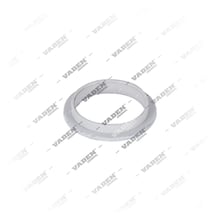
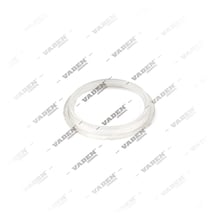
What are the functions of the Brake Caliper Mechanism Plastic?
The functions of the plastic component within the caliper mechanism are as follows.
- Friction reduction: Creates a low-friction interface between moving metal parts, delaying wear.
- Insulation: Insulates metal parts from each other at points where electrical conductivity is undesirable.
- Vibration damping: Prevents metal-to-metal contact, reducing rattling and vibration originating from the mechanism.
- Positioning: Helps a specific mechanical element (such as a gear or ring) stay on its correct axis.
- Lightweight structure: Provides functional support without increasing the total weight of the mechanism.
What are the symptoms of a Brake Caliper Mechanism Plastic failure?
Fatigue or breakage of the plastic component creates noticeable symptoms in the mechanism.
- Rattling or friction sound: A new sound from the caliper area that was not there before.
- Looseness in the mechanism: The relevant gear or ring moving more than normal.
- Visible crack: Seeing a crack, broken piece, or excessive wear mark on the plastic part upon disassembly.
- Irregularity in the clearance adjustment mechanism: Uneven pad wear resulting from the plastic part failing to perform its positioning function.
- Color change and brittleness: Yellowing, hardening or brittleness on the plastic surface due to heat exposure.
How is the Brake Caliper Mechanism Plastic checked?
Inspection requires disassembling the relevant section of the caliper mechanism.
- Visual inspection: The plastic part is examined for cracks, breakage, wear and color change.
- Hand flexibility test: The part is checked with light pressure to see whether it has become brittle.
- Position check: It is examined whether the part sits fully in its seat and whether there is any movement.
- Neighboring part check: Metal parts in contact with the plastic component are evaluated for excessive wear marks.
- Noise test: Abnormal sound from the caliper area is listened to during a test drive.
What should be considered when replacing it?
Correct part selection and correct assembly method are important when replacing the plastic component.
- Correct part match: The correct plastic part specific to the model of the caliper mechanism must be used.
- Avoid overtightening: Since plastic material is more brittle than metal, excessive force should not be applied during assembly.
- Cleanliness: Dirt and old part residue on the seat and neighboring surfaces must be cleaned.
- Neighboring part check: The wear condition of elements such as the gear or ring that contact the plastic part should be evaluated at the same time.
- Post-assembly movement test: It must be verified after installation that the mechanism operates freely and quietly.
How is the Brake Caliper Mechanism Plastic selected?
Selecting the right plastic component requires evaluating caliper model, material quality and temperature resistance together.
Caliper mechanism plastic component selection criteria| Criterion | Description |
|---|
| Caliper model match | Application specific to the caliper mechanism the part belongs to |
| Material quality | High-strength engineering plastic resistant to heat and oil |
| Temperature resistance | Suitability for high-temperature conditions in the brake area |
| Dimensional precision | Exact match with original dimensions, full seating in the housing |
| Surface finish quality | Smooth surface providing a low coefficient of friction |
Maintenance and service life
The service life of the plastic component varies depending on the heat, mechanical load and road conditions it is exposed to; over time the material can become brittle, increasing the risk of breakage. Visual inspection of this part is recommended whenever the caliper mechanism is opened during periodic brake maintenance. On vehicles exposed to excessive heating, increasing inspection frequency allows potential failures to be detected early.
VADEN Brake Caliper Mechanism Plastic
VADEN offers plastic mechanism components manufactured for heavy commercial vehicle disc brake calipers, matching original dimensions and material properties. With correct material selection and precise manufacturing, it supports the quiet and reliable operation of the caliper mechanism.
Frequently Asked Questions (FAQ)
Can the vehicle be driven if this plastic part breaks?
It can be driven for a short time, but since the positioning or insulation function of the mechanism will be compromised, rattling noise and uneven pad wear may appear; replacement is recommended soon.
Why is plastic preferred over metal for this component?
Plastic material is preferred in this type of application due to its low coefficient of friction, light weight, corrosion resistance, and its ability to provide electrical insulation when needed.
How can you tell if the part has become brittle?
Color change on the surface, a tendency to crack under light pressure, or a brittle feel when flexed by hand are signs of brittleness.
Should the neighboring metal parts also be checked when replacing this part?
Yes, metal elements such as the gear or ring that contact the plastic part should be evaluated for excessive wear at the same time, otherwise the new part may also wear quickly.
How does excessive heat affect the life of this part?
Continuous exposure to high temperature can cause the plastic material to harden and become brittle over time, leading to earlier-than-expected breakage.
Related technical guide: Brake Caliper Mechanism: Camshaft, Bearings, and Return Spring