
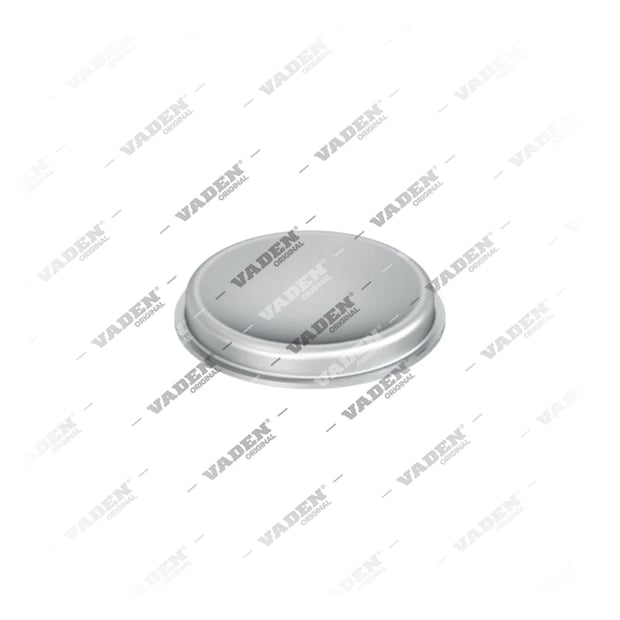
9000 02 206 Compressor Plug for Air Brake Systems
9000 02 206
Summary
This Ø 63 compressor plug is designed for heavy commercial vehicle air brake compressor repair kits. It serves as a critical component for maintaining pressure integrity within the air system, manufactured from high-strength components to withstand heavy-duty service conditions.
| EAN Code | 8683457003057 |
|---|
Ready to Order
Description
What does a compressor plug do?
This compressor plug is an essential component within air brake compressor repair kits, ensuring the secure sealing of critical ports. It is engineered to maintain system pressure and prevent air leaks in high-pressure environments.Vehicle and system compatibility
This specific component is designed for use in various heavy commercial vehicle air brake systems. It provides a reliable fitment for technicians performing routine maintenance or complete compressor overhauls to ensure the longevity of the pneumatic system.Installation and maintenance
For proper installation, technicians should ensure that the mounting surface is clean and free of debris. The Ø 63 specification must be verified against the existing compressor housing to ensure a precise fit during the repair process.System integrity and selection
Regular inspection of all compressor connection components is recommended to prevent pressure drops. Using high-strength components during repair ensures the stability of the entire air brake system.Technical Specifications
| Number of Packages | 10 |
|---|
FAQ
What is the function of this compressor plug?
The plug is used within air brake compressor repair kits to seal ports, maintaining the necessary pneumatic pressure within the system.
What size is this specific compressor plug?
This component features a Ø 63 diameter, designed specifically for compatible heavy commercial vehicle air brake compressors.
Can this be used for general air system repairs?
It is specifically intended for use in air brake compressor repair kits to ensure high-strength sealing in heavy-duty applications.
How can I identify if a replacement is needed?
Technicians should look for signs of air leakage or pressure loss around the compressor connection points during routine inspections.