
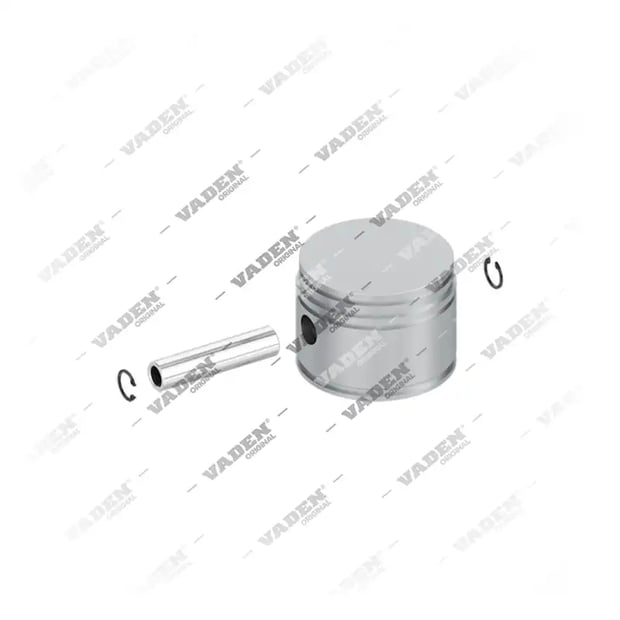
805 150 Hino Compressor Piston
805 150
Summary
This compressor piston is engineered for heavy commercial vehicle air brake systems. Designed for durability in high-pressure environments, it ensures optimal performance for Hino engines. This component is a vital part of air brake compressor repair kits.
| EAN Code | 8683457002241 |
|---|
Ready to Order
Description
What does a compressor piston do?
The compressor piston plays a critical role in the pneumatic system by converting mechanical motion into air pressure. This component is manufactured from high-strength components to withstand the rigorous duty cycles of heavy commercial vehicle compressors.Vehicle and engine compatibility
This specific piston is compatible with Hino trucks and heavy-duty applications. It is an essential replacement part within air brake compressor repair kits to restore proper air compression and system integrity.Installation and maintenance
When performing maintenance, technicians should ensure that all piston surfaces are free from debris and that the cylinder walls are inspected for wear. Proper installation ensures long-term reliability of the air brake system.System troubleshooting
Regular inspection of the compressor piston can prevent significant pneumatic system failures and ensure consistent air pressure delivery for braking safety.Related Products
Used In
Compatible Vehicles
| Brand | Model | Model Type | Engine |
|---|---|---|---|
| HINO |
FAQ
What is the function of a compressor piston?
The piston is a core component that compresses air within the pneumatic system to provide the necessary pressure for braking operations.
Is this piston compatible with Hino vehicles?
Yes, this component is designed to be compatible with Hino heavy commercial vehicle air brake systems.
Can I use this as part of a repair kit?
This piston is specifically intended for use within professional air brake compressor repair kits to restore performance.
How do I know when to replace the piston?
Technicians should look for signs of declining air pressure or unusual noise from the compressor, which may indicate worn internal components.