
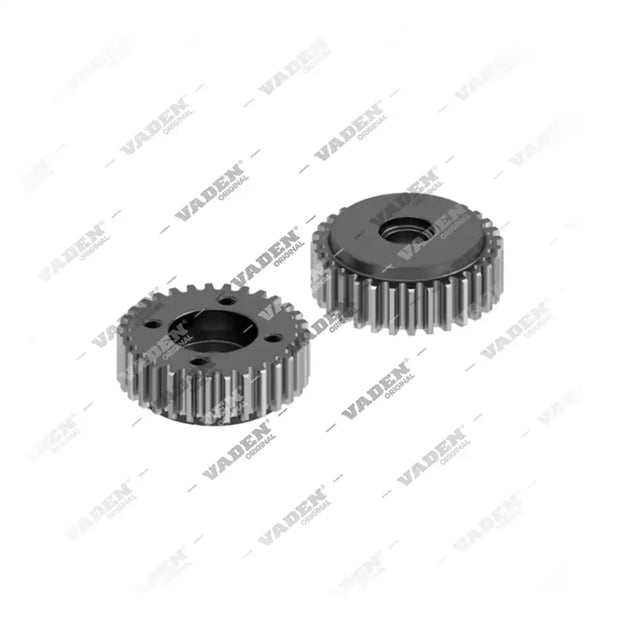
7600 880 007 Compressor Gear for MAN Trucks
7600 880 007
Summary
This compressor gear is designed for heavy-duty performance in MAN trucks. It ensures precise timing and durability within the air brake compressor assembly. Compatible with Knorr-Bremse systems to maintain optimal pneumatic pressure.
| EAN Code | 8699031065786 |
|---|
Ready to Order
Description
What does a compressor gear do?
This compressor gear serves as a critical component within the air brake compressor assembly, ensuring the synchronized movement required for efficient air production. Manufactured from high-strength components, it is built to withstand the rigorous mechanical stresses found in heavy commercial vehicle braking systems.Vehicle and system compatibility
This part is specifically compatible with MAN trucks and is also fitted to MAN vehicles. It is engineered to work seamlessly within Knorr-Bremse systems to maintain consistent pressure delivery.Installation and maintenance
When replacing the gear, technicians should inspect the entire compressor housing and mounting points for wear. Ensuring proper alignment during installation is vital to prevent premature tooth wear and maintain the integrity of the pneumatic circuit.Troubleshooting and selection
Regular inspection of the compressor drive components can help prevent sudden air system failures. Consult your authorized distributor for further assistance.Related Products
Used In
Compatible Vehicles
| Brand | Model | Model Type | Engine |
|---|---|---|---|
| KNORR-BREMSE | |||
| MAN |
FAQ
What is the function of this compressor gear?
The gear drives the internal piston or screw mechanism within the air brake compressor, ensuring precise timing for air compression.
Which vehicles is this part compatible with?
This component is designed for MAN trucks and is compatible with Knorr-Bremse systems.
What materials are used in these gears?
The gear is manufactured from high-strength components designed to endure heavy-duty operating conditions.
When should I replace the compressor gear?
Replacement is recommended if signs of tooth wear, irregular air pressure, or unusual mechanical noise are detected during inspection.