
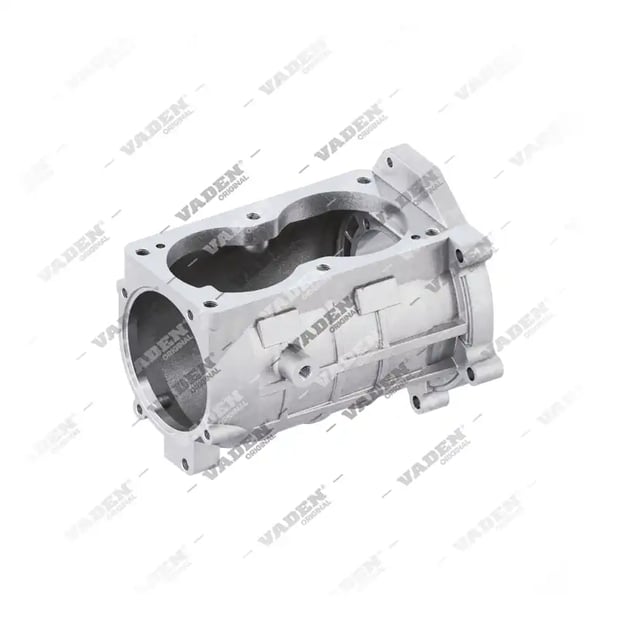
7100 802 002 Hino Compressor Crankcase Replacement
7100 802 002
Summary
High-strength compressor crankcase designed specifically for Hino heavy commercial vehicle air brake systems. This component ensures structural integrity and reliable pressure maintenance within the compressor assembly.
| EAN Code | 8683457002111 |
|---|
Ready to Order
Description
What does a compressor crankcase do?
This compressor crankcase serves as the central housing for the air brake compressor, providing the essential structure required to contain internal pressures and support moving components. Manufactured with heavy-duty grade materials, it is engineered to withstand the high-stress environments typical of heavy commercial vehicle operations.Vehicle compatibility
This component is compatible with Hino trucks. It is designed to meet the rigorous demands of the air brake system, ensuring that the compressor maintains consistent performance throughout its service life.Installation and maintenance
When replacing a crankcase, technicians should inspect all mounting surfaces and seals to ensure a perfect fit within the assembly. Proper installation prevents air leaks and maintains the necessary lubrication flow within the crankcase housing.System maintenance
Maintaining a clean and well-lubricated compressor assembly is vital for preventing premature wear on internal parts. Consult your authorized distributor for fitment guidance.Related Products
Used In
Compatible Vehicles
| Brand | Model | Model Type | Engine |
|---|---|---|---|
| HINO |
FAQ
What is the function of a compressor crankcase?
The crankcase acts as the main housing for the compressor, containing internal moving parts and facilitating the necessary lubrication and pressure required for air brake operation.
Which vehicle types is this part compatible with?
This specific component is designed to fit Hino heavy commercial vehicles and their associated air brake systems.
How do you identify a faulty crankcase?
Signs of failure often include visible oil leaks around the housing or significant drops in air pressure within the braking system due to internal seal failure.
What should be checked during installation?
Technicians should verify that all mounting points are clean and that all gaskets are seated correctly to prevent pressure loss in the pneumatic system.