
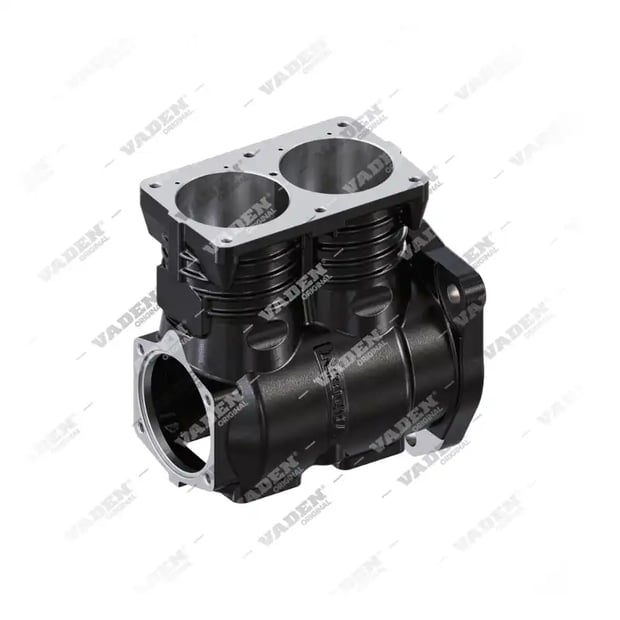
7100 782 003 Crankcase for KamAZ Air Brake Compressors
7100 782 003
Summary
This compressor crankcase is engineered for heavy commercial vehicle air brake systems. It is compatible with KamAZ trucks and Knorr-Bremse systems, ensuring reliable performance in demanding environments through high-strength components.
| EAN Code | 8683457001640 |
|---|
Ready to Order
Description
What does a compressor crankcase do?
The compressor crankcase serves as the critical housing for the internal moving parts of an air brake compressor, providing a secure environment for lubrication and pressure maintenance. This component is essential for maintaining the structural integrity of the pneumatic system within heavy commercial vehicles.Vehicle and system compatibility
This specific crankcase is designed to be compatible with KamAZ trucks and is suitable for use within Knorr-Bremse systems. It provides a robust solution for maintaining air pressure stability in heavy-duty applications.Installation and maintenance
When replacing the crankcase, technicians should ensure all sealing surfaces are clean and free of debris. Proper installation of the compressor unit into the new housing is vital to prevent air leaks and ensure optimal lubrication flow throughout the system.Maintenance guidance
Regular inspection of the crankcase for signs of oil seepage or structural stress is recommended during routine maintenance intervals to prevent sudden pneumatic system failures.Related Products
Used In
Compatible Vehicles
| Brand | Model | Model Type | Engine |
|---|---|---|---|
| KAMAZ | |||
| KNORR-BREMSE |
FAQ
What is the function of a compressor crankcase?
The crankcase acts as the primary housing for the compressor's internal components, containing the oil and managing the internal pressure required for air braking.
Which vehicles is this part compatible with?
This part is specifically designed to fit KamAZ trucks and is compatible with Knorr-Bremse systems used in heavy commercial vehicles.
What should I check during installation?
Technicians should verify that all mounting points are aligned and that all gaskets are properly seated to prevent air or oil leaks within the pneumatic system.
How can I identify if a replacement is needed?
Look for signs of external oil leakage around the housing or unusual noise from the compressor, which may indicate a compromised crankcase.