
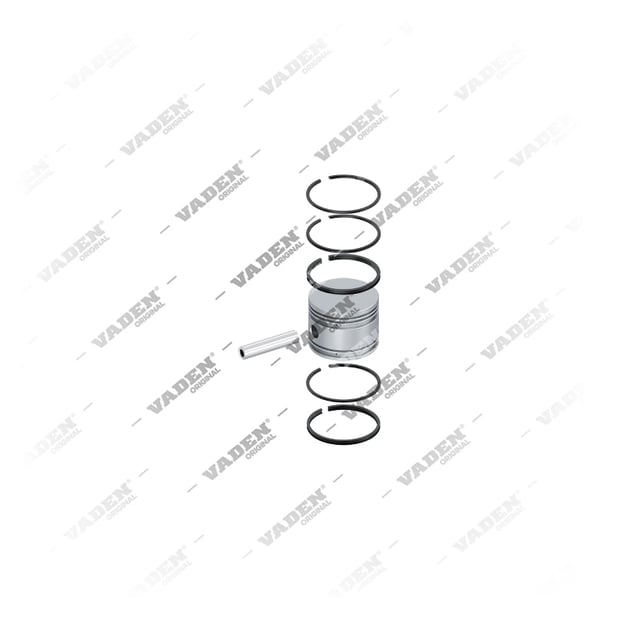
7000 701 101 Compressor Piston & Ring Equivalent
7000 701 101
Summary
High-strength compressor piston and ring components designed for heavy commercial vehicle air brake compressor systems. These components ensure efficient compression and durability under heavy-duty operating conditions within the pneumatic braking system.
| EAN Code | 8699031068183 |
|---|
Ready to Order
Description
What does a compressor piston and ring do?
This compressor piston and ring set functions as a critical component within the air brake compressor assembly, facilitating the necessary compression cycles for pneumatic braking systems. These parts are engineered to withstand high-pressure environments and constant mechanical movement.Compatibility and application
These components are designed to maintain system integrity in heavy commercial vehicle air brake compressors. By ensuring a tight seal within the cylinder, they help maintain stable air pressure essential for safe braking performance.Installation and maintenance
For proper installation, technicians should inspect the cylinder bore for scoring and ensure all surfaces are clean before fitting the new piston and rings. Regular inspection of these components helps prevent air leaks and maintains consistent system pressure.Troubleshooting guidance
Consult your authorized distributor to ensure correct fitment for your specific compressor model.FAQ
What is the function of the compressor piston and ring?
The piston and ring work together to compress air within the cylinder, providing the necessary pneumatic pressure for the vehicle's braking system.
How can I identify if these components need replacement?
Symptoms such as low air pressure buildup, visible oil in the air lines, or unusual engine noise may indicate worn pistons or rings.
Are these components suitable for heavy commercial vehicles?
Yes, these are high-strength components designed specifically for the demanding environments of heavy commercial vehicle air brake systems.
What should be checked during installation?
It is vital to check the cylinder wall for wear and ensure that all seals are correctly seated to prevent pressure loss.