
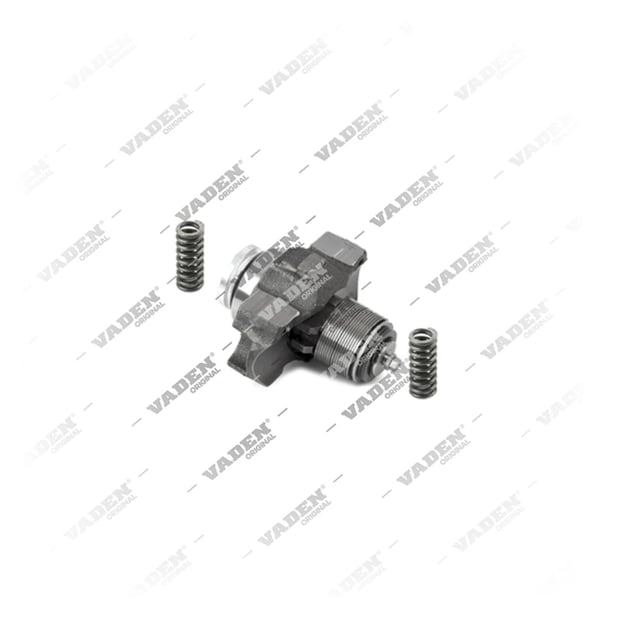
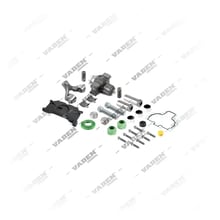
4006016 Brake Caliper Mechanism Equivalent
4006016
Summary
This brake caliper mechanism is engineered for heavy commercial vehicle air disc brake systems. It ensures precise braking force distribution and durability under heavy-duty operating conditions. Designed for workshop technicians and fleet managers seeking reliable braking components.
| EAN Code | 8683457027343 |
|---|
Ready to Order
Description
What does a brake caliper mechanism do?
The brake caliper mechanism serves as a critical component within the air disc brake system of heavy commercial vehicles. It is responsible for converting pneumatic pressure into mechanical force to ensure consistent and stable braking performance during operation.Application and system role
This mechanism is designed to withstand high-stress environments and extreme thermal fluctuations encountered in heavy-duty transport. It works in tandem with other braking system components to provide reliable deceleration and safety for the vehicle.Maintenance and inspection
Maintenance of the braking system is essential for safety. Technicians should inspect the mechanism for wear or leaks during routine service intervals to prevent system failure and ensure optimal braking efficiency.Selection guidance
Consult your authorized distributor to ensure correct fitment for your specific vehicle requirements.Related Products
Repair Kits
Used In

FAQ
What is the function of a brake caliper mechanism?
The mechanism converts pneumatic energy from the air brake system into mechanical movement to press the pads against the disc, ensuring effective stopping power.
Which vehicles use this type of mechanism?
These mechanisms are primarily used in heavy commercial vehicles, including trucks and buses equipped with air disc brake systems.
How can I identify a failing mechanism?
Symptoms of wear may include uneven braking, audible noises during deceleration, or visible leakage within the pneumatic lines of the braking system.
What should technicians check during inspection?
It is important to check for structural integrity, secure mounting, and smooth movement within the piston and housing assembly.